

If your freezer has stopped cooling or is making weird noises, the compressor is often the culprit. The compressor is the heart of the cooling system – it pumps refrigerant around so the freezer stays frosty. When it fails, you’ll notice a warm freezer, loud humming, or the unit just won’t run at all. Knowing the basics can save you time, money, and a lot of frustration.
First, listen. A healthy compressor hums steadily, like a refrigerator. If you hear clicking, clanking, or a high‑pitched squeal, something’s off. Next, feel the temperature. Place your hand on the freezer wall; if it’s warm or only a few degrees above room temperature, the compressor probably isn’t moving refrigerant.
Another clue is the start‑up cycle. When you plug the freezer back in, a good compressor will kick on within a few seconds. If it tries to start and then shuts off repeatedly, the start relay or the compressor itself may be failing.
Finally, check for frost build‑up on the back of the freezer or inside the freezer compartment. Excess frost can mean the compressor isn’t completing the cooling loop, leading to moisture freezing where it shouldn’t.
Before you call a technician, try a few simple steps. Unplug the freezer for five minutes, then plug it back in. This power reset can clear minor electronic glitches that stop the compressor from starting.
If the freezer still won’t cool, locate the condenser coils (usually behind or beneath the unit) and clean any dust or debris. Dirty coils force the compressor to work harder and can cause it to overheat.
Next, inspect the start relay – a small black box attached to the compressor. A quick visual check for burnt marks or a cracked case can tell you if it’s dead. If you have a multimeter, you can test the relay’s continuity; a reading of zero means it’s busted and needs replacement.
When these DIY steps don’t bring the freezer back to life, it’s time to bring in a professional. Replacing a compressor isn’t a simple plug‑and‑play job – it involves evacuating refrigerant, handling sealed system components, and ensuring the new compressor matches the original specs. A certified appliance repair technician has the tools and knowledge to do this safely and legally.
Even if you’re handy, avoid attempting a full compressor swap yourself. Mishandling refrigerant can be dangerous and is illegal without proper certification. Instead, schedule a service call, describe the symptoms you’ve observed, and let the expert confirm the problem.
Regular maintenance can keep the compressor healthy for years. Clean the coils every six months, keep the freezer away from direct sunlight, and defrost excess ice promptly. Also, ensure the freezer has enough clearance around it for proper airflow – a cramped unit forces the compressor to run longer and wear out faster.
In short, watch for noisy or warm operation, try a power reset and coil cleaning, and check the start relay. If those fixes don’t work, call a qualified repair service to replace the compressor safely. With a little attention, your freezer will stay cold and reliable, and you’ll avoid costly replacements down the line.

A malfunctioning freezer can be a headache, particularly when it involves the compressor. Understanding whether it's worthwhile to replace a compressor requires consideration of several factors, including cost, age, and efficiency. This article breaks down the key elements for deciding if compressor replacement is the best route. With practical advice and insider tips, you'll gain clarity on making an informed decision for your appliance.

Wondering if that decade-old laptop should stick around or be kicked to the curb? This article dives into the practicality, challenges, and potential of keeping a 10-year-old laptop. With tips on upgrading components, performance tweaks, and sustainability, you'll discover whether holding on to an old device is a wise choice. Including pros and cons, this guide offers straightforward advice for the tech-savvy and beginners alike. Explore the balance between nostalgia and functionality in the ever-evolving world of technology.
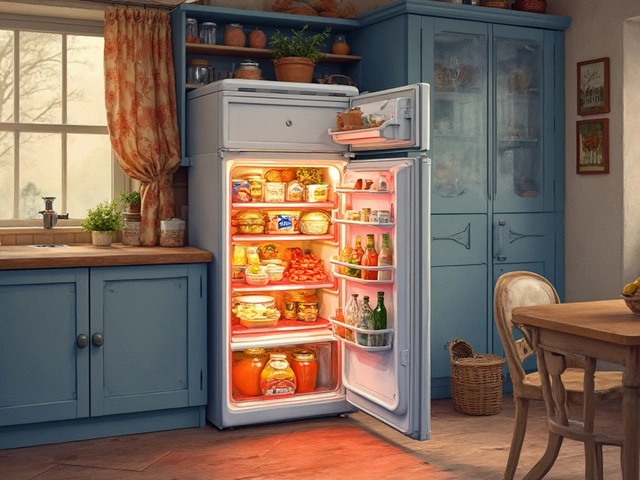
Understanding what usually fails in a fridge can save you time and money. This article explores common issues like malfunctioning thermostats, compressor problems, and leaky seals. Learn helpful tips for diagnosing and possibly fixing these issues yourself. Knowing when to call a professional is also crucial in the life of your fridge.
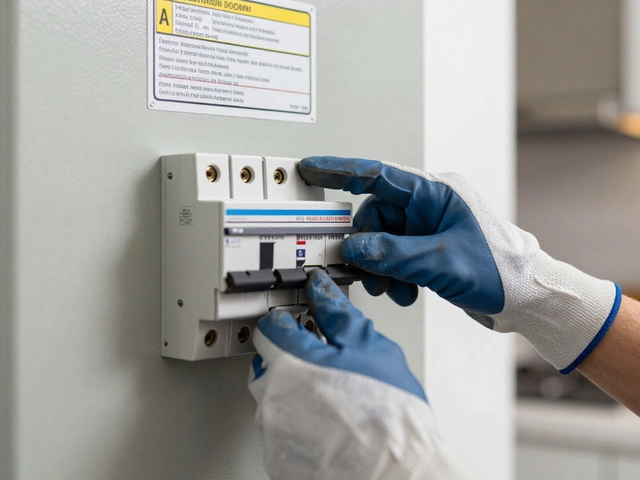
Learn how to safely fix a burnt electric hob by checking the element, testing with a multimeter, replacing parts, and preventing future damage. Avoid fire risks with these step-by-step tips.
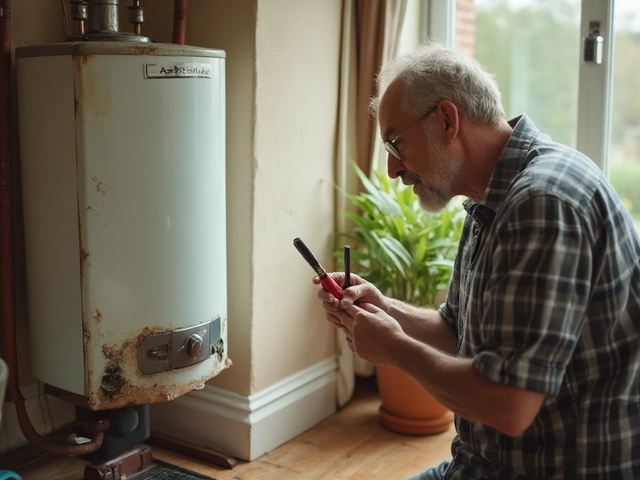
Water heaters are essential in our daily lives, yet they often fail more quickly than expected. Understanding the common causes of these failures can help in preventing them. In this article, we delve into why water heaters often break down prematurely and offer practical tips on extending their lifespan. Regular maintenance and awareness of common issues are key to ensuring your water heater runs efficiently for years.
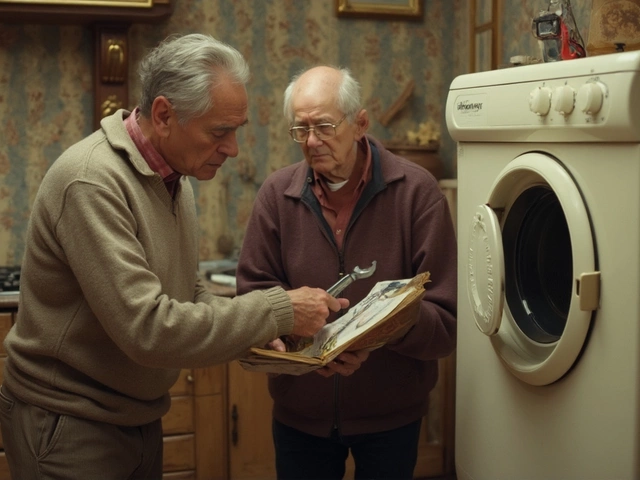
Wondering if fixing your tumble dryer makes sense? This article dives into crucial considerations like repair costs, common issues, and when to replace. Avoid costly mistakes by learning signs that scream 'repair!' or 'replace!' Smart tips help you make the right decision for your dryer woes.