

Got an oven that won’t heat up? You’re not alone. A lot of homeowners face a cold oven at some point, and most of the time the fix is easier than you think. In this guide we’ll walk through the common reasons an oven stops heating, show you how to replace a faulty element, and tell you when it’s smarter to call a professional.
The first thing to check is power. Make sure the oven is plugged in and the circuit breaker hasn’t tripped. If the display lights up but the oven stays cold, the heating element is the usual suspect. Other culprits include a broken thermostat, a bad igniter (for gas ovens), or a loose connection inside the control panel.
One quick test is the continuity check. With the oven unplugged, pull out the element and use a multimeter. If the meter shows no continuity, the element is dead and needs replacing. This test takes just a few minutes and saves you a pricey service call.
Before you start, gather a few tools: a screwdriver set, a nut driver, and a multimeter. Safety first—always disconnect the oven from the power source. Most electric ovens have two screws holding the element in place; remove them, slide the element out, and disconnect the wiring harness.
Match the new element to the old one by checking the part number printed on the metal. Snap the new element into the wiring connector, slide it back into its slot, and tighten the screws. Reconnect the power and run a quick test cycle. If the oven heats up, you’ve saved yourself time and money.
While you’re inside, glance at the surrounding wiring. Look for signs of wear, burnt spots, or loose connections. Tightening a loose wire can sometimes solve intermittent heating issues without needing a new part.
If you’re dealing with a gas oven, the problem might be the igniter. A faulty igniter will glow but won’t spark, leaving the oven cold. Replacing an igniter follows a similar process: remove the old piece, note how the wires attach, and install the new one. Always follow the manufacturer’s instructions for gas safety.
When a DIY fix feels beyond your comfort zone—like a broken control board or a persistent gas leak—it’s time to call in a pro. An experienced appliance technician can safely test high-voltage components and ensure everything complies with local codes.
Choosing the right professional matters. Look for a local repair service that specializes in ovens and is Gas Safe registered for gas work. A reputable company will give you a clear quote before starting and explain whether a repair or replacement makes more sense.
Repair vs. replace is a common dilemma. If your oven is more than 10 years old, the cost of a new heating element plus labor might approach the price of a new oven. In that case, ask the technician to compare energy efficiency ratings—newer models often use less electricity, saving you money in the long run.
Regular maintenance can prevent many oven problems. Keep the interior clean, wipe away spills before they harden, and check the door seal for gaps. A tight seal helps retain heat, reducing wear on the heating element.
In summary, most oven heating issues boil down to a bad element, a tripped breaker, or a faulty thermostat. With a few basic tools you can replace an element yourself and get back to baking in no time. When the fix looks complicated, don’t hesitate to reach out to a qualified repair service. A well‑maintained oven will last for years, saving you both hassle and expense.

If your electric oven suddenly stops working, don't panic. This article explores common issues with electric ovens and provides practical tips for troubleshooting and repair. From understanding how different components work to knowing when it's time to call a professional, you'll find the go-to advice you need to get your oven back in working order. Avoid the hassle of guesswork and get straightforward guidance on keeping your kitchen running smoothly. Practical insights on oven maintenance await you.

Deciding whether to fix or replace your oven in 2025? Learn real repair costs, when replacement saves money, safety risks of old ovens, and how to make the smart choice without overpaying.
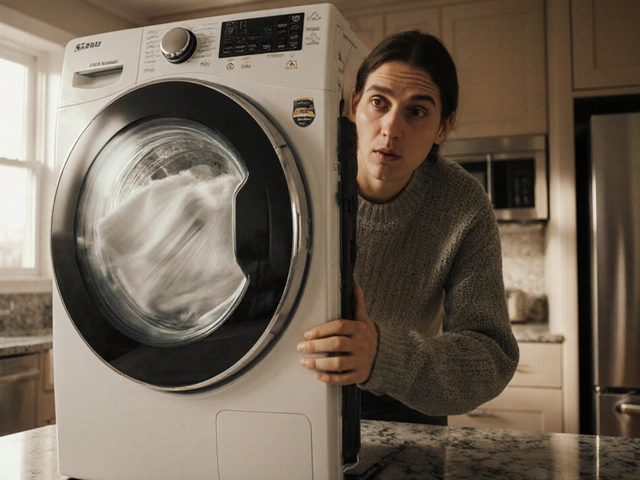
Learn why and when appliances need professional service, the signs of trouble, how often each should be checked, DIY tips, costs and when to replace.
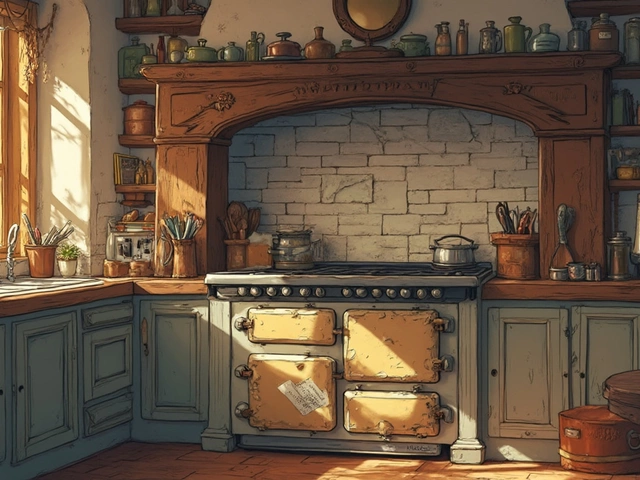
Figuring out whether to repair or replace a 10-year-old range can save money and hassle. This article explores cost considerations, common issues, and when to opt for repair versus replacement. Additionally, discover maintenance tips to extend your range’s life. Make informed decisions with a detailed look into repair pros and cons. Navigate the world of kitchen appliances with confidence.
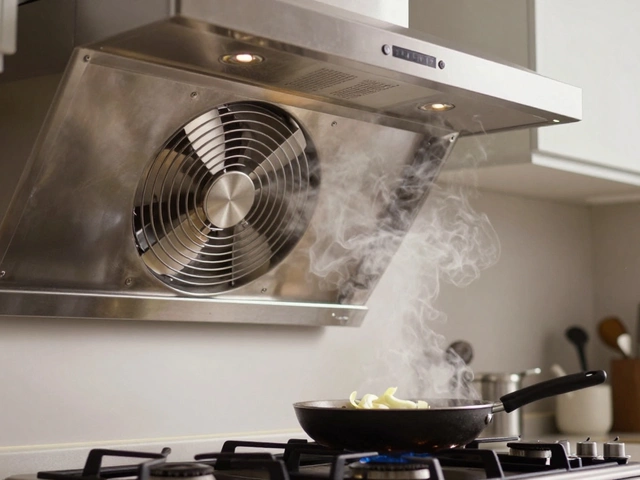
Discover why kitchen extractor fans stop working and how to fix them. From clogged filters to motor failures, learn practical troubleshooting steps to restore airflow and avoid costly repairs.
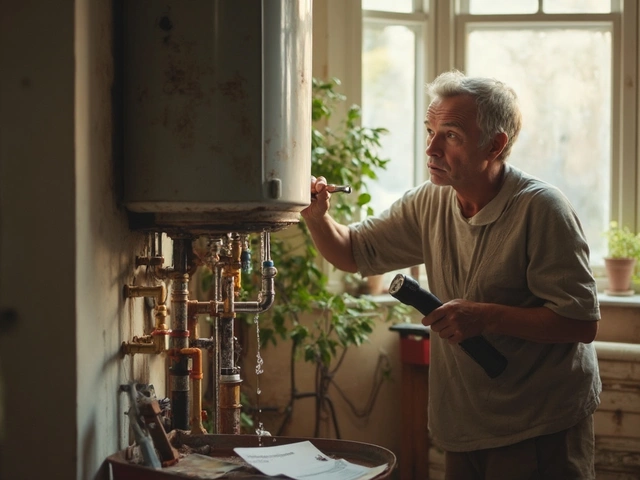
Wondering if your hot water heater is about to quit? This article breaks down the most common signs that your water heater needs to be replaced, from strange noises to rusty water. Find out how long these tanks usually last, what to look for during regular maintenance, and how to handle sudden issues. You'll get practical tips to keep your heater running smoothly and avoid a cold shower surprise. If you've ever worried about flooding, energy bills, or weird knocking, this is for you.