

Got an oven that won’t heat, heats unevenly, or makes weird noises? You’re not alone. Most homeowners face an oven glitch at some point, and most of them can be sorted without a pricey callout. Below you’ll find the most common faults, easy DIY fixes, and clear signs that it’s time to bring in a qualified repair expert.
1. Faulty heating element. In electric ovens the element is the heart of the heat. If it’s cracked, burnt out, or loose, the oven stays cold. A quick visual check (make sure the power is off) will show black spots or broken wires.
2. Bad thermostat or temperature sensor. The thermostat tells the oven when to turn the element on and off. If it’s mis‑reading the temperature, the oven can stay too cool or over‑heat. You can test it with a multimeter; most sensors read around 1 kΩ at room temperature.
3. Tripped safety switches. Modern ovens have thermal fuses and door switches that shut the heating circuit if something is wrong. A blown fuse usually needs a replacement, while a door switch is an easy snap‑in fix.
Replace a broken element. After unplugging the oven, remove the screws that hold the element in place, pull it out, and slide the new one in. Re‑attach the screws, reconnect the wiring, and you’re ready to test.
Clean dirty burners and coils. Food debris can insulate the element and cause uneven heating. Use a soft brush and a damp cloth to wipe away grime. Let everything dry before you turn the power back on.
Reset tripped safety devices. Locate the thermal fuse (often behind the back panel) and check it with a multimeter for continuity. If it’s dead, replace it – they’re cheap and easy to swap.
These fixes cover about 80 % of the usual oven headaches. If you try them and the oven still won’t work, you’re probably dealing with a more complex control board issue or a gas‑line problem that needs a professional.
If you notice any of these signs, stop DIY attempts and call an expert:
Professional technicians have the tools to test voltage, replace control boards, and safely work with gas connections. A quick call can save you from a costly mistake and get your oven back in action faster.
Remember, safety comes first. Always disconnect power or shut off the gas before opening any part of the oven. If you’re unsure about any step, a local repair service – like Bognor Regis Appliance Repair Experts – can handle the job quickly and affordably.
With these tips, most oven issues can be diagnosed and, in many cases, fixed right at home. Keep this guide handy, and you’ll spend less time waiting for meals and more time enjoying them.

Learn the proper term for someone who fixes ovens, how they work, skills they need, and why hiring a pro is a smart move. Helpful tips inside.

Ovens are essential in any kitchen, but they can sometimes act up. Whether it's uneven cooking, a door that won't close, or strange noises, there's usually a straightforward explanation—and solution. This article delves into typical oven issues, offers handy tips to troubleshoot them, and suggests when it's time to call a professional. Knowing these basics can help keep your oven running smoothly.
Find out the 2025 price range for heat pump compressors, what factors affect cost, how to get accurate quotes, and whether DIY or professional installation is best.
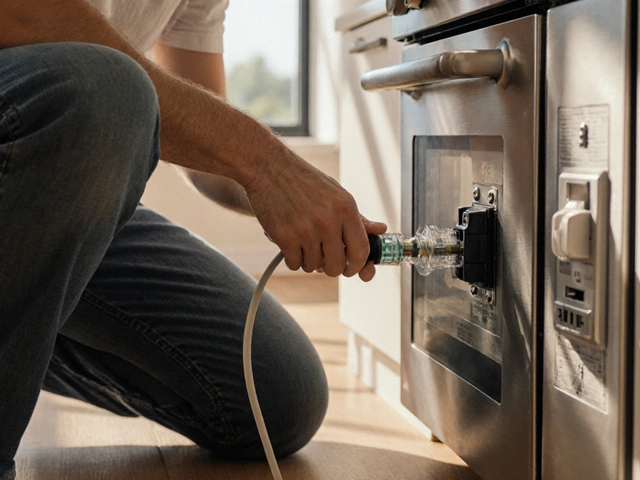
Learn why your electric oven suddenly stopped working, diagnose power, element, thermostat or safety fuse issues, and decide when to DIY or call a repair professional.

Boiler servicing is an essential aspect of home maintenance that ensures safety and efficiency. While it might seem tempting for homeowners to attempt servicing their own boilers, it's crucial to understand the complexities and risks involved. This article explores whether boiler maintenance can be a DIY project, providing key tips and insights. It offers guidance on what aspects are safe to handle on your own and when to call in a professional.

An electric oven is a kitchen essential that brings culinary magic to life, but sometimes it can start showing signs of wear and malfunction. If you notice uneven cooking, strange noises, or the oven simply won't heat, these could be indicators of a problem needing repair. Knowing the common signs can help you determine if troubleshooting is possible or if it's time to call a professional. From the thermostat issues to faulty heating elements, this guide provides insights into recognizing and addressing potential oven problems.

Struggling with a kitchen extractor fan that's lost its power? This guide explains how to find and fix common blockages that cause bad smells and poor airflow. Learn step-by-step how to safely clean your fan and make it work like new, plus get handy maintenance tips to stop future clogs. We break down the process so you don't need tools or special skills. Get your kitchen back to normal without calling in an expert.