

Got a busted washing machine, a cold oven, or a noisy heat pump? Your first question is probably, "Should I fix it or replace it?" The answer isn’t always obvious, but you don’t need a diploma to decide. Below is a straight‑forward way to sort out what makes sense for your wallet and your home.
Keep this short list handy the next time something breaks. Answer each point honestly and you’ll see a pattern.
1. Age of the appliance. Most appliances have a typical lifespan – washers 8‑12 years, ovens 10‑15, heat pumps 15‑20. If yours is past that range, replacement is often cheaper in the long run.
2. Cost of the repair. A good rule is the 50 % rule: if the repair bill is more than half the price of a new unit, think about buying new.
3. Frequency of problems. One‑off hiccups are fine, but if you’re calling a tech every few months, the appliance is probably on its way out.
4. Energy efficiency. Newer models use less power or water. Even if the repair cost is low, a newer, efficient unit can save you money on bills.
5. Safety concerns. Leaking gas, exposed wiring, or a broken water heater can be dangerous. When safety is at risk, replacement is the safest choice.
Heat pumps that won’t heat or cool. If the unit is over 15 years old, the compressor is likely wearing out. New heat pumps are up to 30 % more efficient.
Boilers with repeated breakdowns. Boilers that need service every season are usually past their prime. A new, modern boiler can lower heating costs and give you peace of mind.
Dishwashers that never clean. When spray arms corrode or the motor stalls repeatedly, a fresh dishwasher will clean better and use less water.
Electric ovens that won’t heat. If the heating element or thermostat fails and the oven is older than 10 years, a new oven often pays for itself in energy savings.
Water heaters that keep resetting. Constant resets mean the thermostat or heating element is failing. After a few years of repair, a new water heater is the smarter bet.
Every situation is unique, but using the checklist above you can avoid guesswork. If you’re still stuck, call a local repair expert. A quick diagnostic call can confirm whether the fix is simple or if you should start shopping for a replacement.
Remember, fixing an appliance saves money now, but replacing an old, inefficient unit can save you more over time. We hope this guide helps you make the right call for your home and your budget.

Wondering if you should repair your washing machine or just buy a new one? This article breaks down when it's smart to fix your appliance and when it's better to let it go. Get tips on common washing machine problems, repair costs, and simple troubleshooting steps. Plus, learn how to avoid getting ripped off by price gouging repair techs. If laundry day is starting to look like a coin toss, read this before calling the junk hauler.
Wondering if it's worth repairing your electric oven or if you should just buy a new one? This article dives into the factors to consider, from cost effectiveness to the age of your appliance, helping you make an informed decision. We'll discuss common issues that can be fixed, when to call in a pro, and some smart tips to extend the lifespan of your oven. By the end, you'll know whether fixing or replacing is the better choice for your situation.
Figuring out whether to repair or replace a 10-year-old range can save money and hassle. This article explores cost considerations, common issues, and when to opt for repair versus replacement. Additionally, discover maintenance tips to extend your range’s life. Make informed decisions with a detailed look into repair pros and cons. Navigate the world of kitchen appliances with confidence.
Wondering if fixing your 7-year-old washing machine is worth it? This guide helps you weigh the pros and cons. Consider factors like repair costs, common issues, and the appliance’s lifespan. Find out when it makes sense to repair or replace. Get informed tips to make the best decision for your laundry room.

Frustrated by cold water instead of a hot shower? This guide breaks down the most common reasons your hot water is running cold, with simple fixes anyone can try at home.
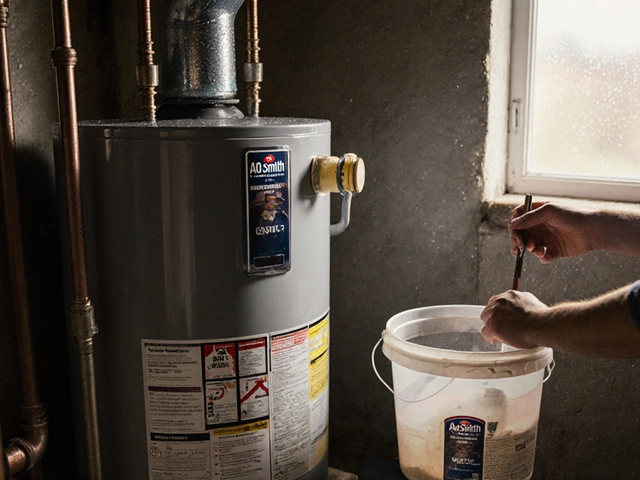
AO Smith, Bradford White, and Rheem are the most durable water heater brands, often lasting 12-15 years with proper maintenance. Learn what really affects lifespan and how to make your heater last longer.
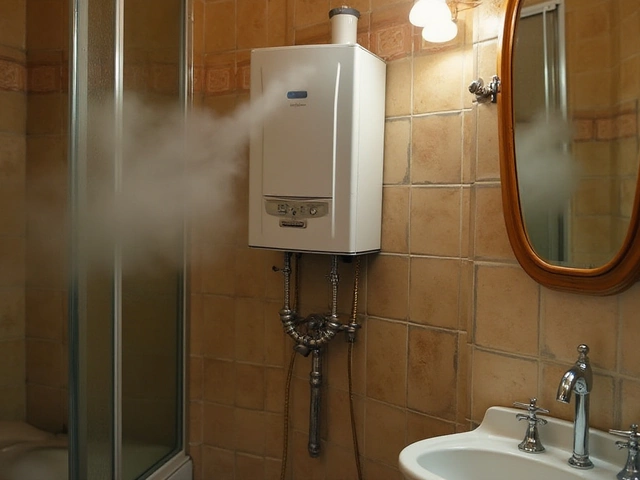
When your hot water heater isn't supplying the steamy showers you're used to, it might be due to a faulty heating element. This article dives into common indicators of a malfunctioning water heater element, such as unusual noises, inconsistent water temperatures, and an unexpected spike in your energy bills. You'll learn how to diagnose potential issues and gather insights on troubleshooting these problems. While some fixes might require professional expertise, understanding the basics can help you pinpoint the root of the problem and decide the best course of action. Get ready to reclaim your warm water comfort!

When your dryer suddenly stops working or leaves your laundry sopping wet, it’s tough to know what your best next step is. Should you call in a repair service, try a DIY fix, or bite the bullet and shop for a new one? This article breaks down the real costs, tells you what repairs make sense, and gives you actionable tips so you don’t spend more than you have to. It covers which common dryer issues can be fixed on a budget, when to say goodbye to a worn-out machine, and how to make smart decisions that save time, money, and hassle.

Discover practical solutions to restore hot water in your shower with ease. Learn about common problems affecting water heaters and the steps to troubleshoot each issue. This guide will walk you through changing settings, checking components, and knowing when to call a pro. Take control of your hot water system and enjoy a soothing shower experience once again. Ideal for homeowners facing frustrating lukewarm showers.