

Dishwashers are a huge time‑saver, but when they stop working you feel the pinch fast. The good news? Many issues are easy to spot and fix yourself. In this guide we’ll walk through the most common faults, quick DIY fixes, and the signs it’s time to call a pro in Bognor Regis.
First, figure out what’s going wrong. Is the machine not filling, not draining, or just leaving dishes dirty? Here are the top culprits and what you can do in under ten minutes.
1. Dishwasher won’t fill with water. Check the inlet valve – it’s the little pipe where the hose connects to the machine. Make sure the hose isn’t kinked and the valve isn’t clogged with sediment. Turn the water supply on fully and listen for a faint buzz. If the valve is blocked, clean it with a toothbrush and a bit of vinegar.
2. Not draining properly. A blocked filter or drain hose is usually to blame. Pull out the lower rack, locate the filter at the bottom, and rinse it under warm water. Next, inspect the drain hose for bends or clogs; a quick flush with a bucket of hot water often clears it.
3. Dishes come out wet. This could be a heating element problem or a faulty rinse aid dispenser. Look inside the tub for a shiny metal coil – if it’s covered in limescale, run a cycle with a cup of white vinegar to dissolve the buildup. Also, top up the rinse aid and ensure the dispenser cap is seated correctly.
4. Bad smells. Food particles left in the filter or a stagnant water trap cause odors. Clean the filter, wipe the door gasket with a damp cloth, and run a short hot cycle with a dishwasher cleaner or a cup of baking soda.
5. Error codes flashing. Most modern dishwashers display a code when something’s wrong. Grab the manual (or look it up online) and match the code to the issue. Often the solution is a reset: turn the machine off, unplug for a minute, then plug back in and start a new cycle.
DIY fixes work for many hiccups, but some problems need a trained eye. If you’ve tried the above steps and the dishwasher still won’t run, consider these red flags.
• The motor makes a humming sound but the drum doesn’t turn – the motor or drive belt could be damaged. • You smell gas or notice an electrical spark – safety first; shut off power and call an electrician. • The machine repeatedly trips the circuit breaker – there may be a short circuit or faulty wiring.
In Bognor Regis, our skilled technicians can diagnose hidden issues quickly. We have the right tools to test the pump, replace heating elements, and tighten any loose electrical connections. Plus, we’re Gas Safe certified for any boiler‑related work that might affect your dishwasher’s hot water supply.
Before you pick up the phone, do a quick check: make sure the dishwasher is level, the door seals properly, and the power cord is firmly plugged in. Simple things are often the cause of big headaches.
Whether you’re comfortable handling a filter or need a full repair, this guide gives you a solid starting point. If the problem persists, give Bognor Regis Appliance Repair Experts a call. We’ll get your dishwasher humming again so you can stop washing dishes by hand and get back to the things you love.

When your dishwasher starts acting up, a quick, accurate diagnosis can save you from bigger headaches and pricey repairs. This article walks through simple methods to spot dishwasher problems, from weird noises to stubborn leaks. You'll learn what to check first, how to tell if it's a DIY fix, and when it's time to call in a pro. Handy tips and real-life examples make this guide easy to follow, even if you're not a born handyman. Don't let a small hiccup become a kitchen disaster — know what to look for and act fast.

Curious if you can fix your dishwasher without calling a pro? This article breaks down the most common dishwasher problems and explains which repairs you can actually do yourself. We’ll cover how complicated these appliances really are, how to figure out what’s wrong, the tools you’ll need, and which jobs might leave you better off calling an expert. Get practical tips, interesting facts, and a clear picture of what you’re actually signing up for before grabbing that toolbox.

Learn the proper term for someone who fixes ovens, how they work, skills they need, and why hiring a pro is a smart move. Helpful tips inside.

Curious about how your home appliances actually work? Get a full breakdown of what happens inside, troubleshooting tips, and smart ways to keep everything running smoothly.

Fixing an extractor fan can be a straightforward process if approached with the right tools and knowledge. This article delves into various factors affecting repair time, common issues encountered, necessary tools, and preventive tips to maintain optimal performance. Readers will discover useful advice on diagnosing problems and learn how to efficiently address and resolve them, ensuring a smooth and fresh airflow in kitchens and bathrooms.

Cracks in electric hobs can show up suddenly and cause real headaches in the kitchen. This article looks at why electric hobs crack, from common mistakes to sneaky issues with installation. You'll get practical tips on how to prevent damage and handle minor cracks. Find out when you can fix a hob yourself and when it's smarter to call for professional help. Stay ahead of costly repairs and keep your cooking space safe.
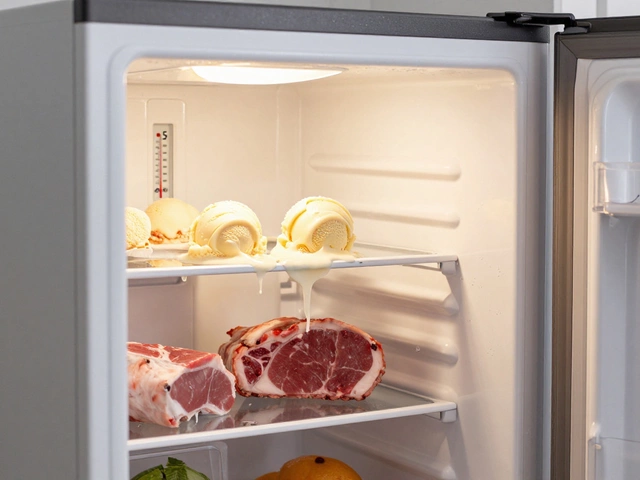
When your freezer stops freezing, food spoils fast and bills spike. Learn the top causes - from bad seals to failing compressors - and how to fix them yourself before calling a technician.