

If your cooker has stopped heating, makes strange noises, or shows error codes, you don’t have to panic. Most problems are caused by a few easy‑to‑check parts, and with the right tools you can often fix them yourself.
Before you start, always unplug the appliance or turn off the circuit breaker. Safety first saves headaches later. Keep a notebook handy to write down any codes or symptoms – it helps you track what you’ve tried.
1. Burner won’t light – Check the igniter for cracks or buildup. Clean it with a soft brush and a bit of vinegar. If the igniter looks damaged, replace it; most models sell for under £20.
2. Oven stays cold – A faulty heating element is usually the culprit. Remove the back panel, locate the element, and test it with a multimeter. No continuity means it needs swapping. Follow the step‑by‑step guide in our post “Replace Oven Element Yourself” for exact instructions.
3. Uneven cooking – Often caused by a malfunctioning thermostat. Warm up the oven, then use an oven thermometer to compare the actual temperature with the set temperature. If there’s a big gap, the thermostat or temperature sensor likely needs replacement.4. Strange smells or smoke – Turn off the cooker immediately. Look for food residue or spilled grease on the burner caps and around the oven cavity. A thorough clean usually solves the problem, but if the smell persists, a gas leak could be the issue and you should call a qualified engineer.
5. Control panel not responding – Reset the cooker by switching off the power for a minute. If the panel is still dead, the control board may have failed. Replacing a control board is more expensive, so weigh the cost against buying a new cooker.
When you’ve identified the fault, ask yourself three questions: Cost, Age, and Frequency. If the part costs less than half the price of a new cooker and the appliance is under 10 years old, repair is usually the smart move.
If your cooker is older than 12‑15 years, parts may become scarce, and energy efficiency will be lower than modern models. In that case, replacing can save money on electricity or gas bills in the long run.
Consider how often the problem repeats. A one‑off issue like a burned burner is cheap to fix. Repeated failures of the same component suggest a deeper design flaw – replacing might be safer.
Don’t forget warranty coverage. Many UK manufacturers offer a one‑year guarantee on parts, and Gas Safe registered engineers can handle gas‑related repairs legally.
Finally, if you’re unsure about gas components, wiring, or feel uncomfortable working with electricity, call a professional. A qualified technician can diagnose the issue quickly and ensure the cooker meets safety standards.
Fixing a cooker doesn’t have to be a nightmare. By checking simple parts, cleaning regularly, and knowing when to call a pro, you can keep your kitchen running smoothly and avoid costly replacements. Got a specific problem? Look through our related posts for step‑by‑step guides or reach out to a local repair service for a quick quote.
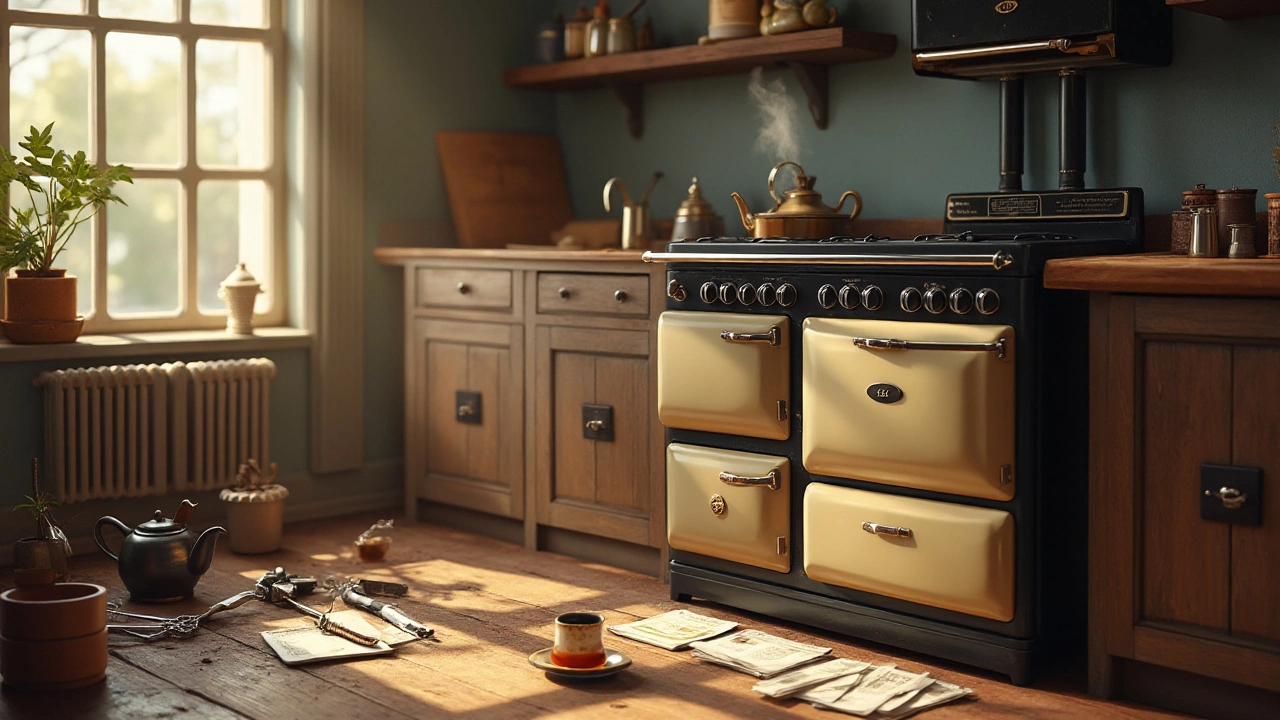
Navigating the world of cooker repair can seem daunting, but armed with the right knowledge, it becomes manageable. This article explores common issues faced by cookers, signs that suggest whether repair is possible, and steps on how to approach fixing these vital kitchen appliances. By identifying whether a do-it-yourself fix is feasible or when to call in a professional, you can make informed decisions about your cooker. Learn about maintenance tips to prolong the life of your cooker and keep it working efficiently.
Find out why your tumble dryer isn't spinning and learn step-by-step fixes for common dryer problems. Stay informed with practical tips and real solutions.
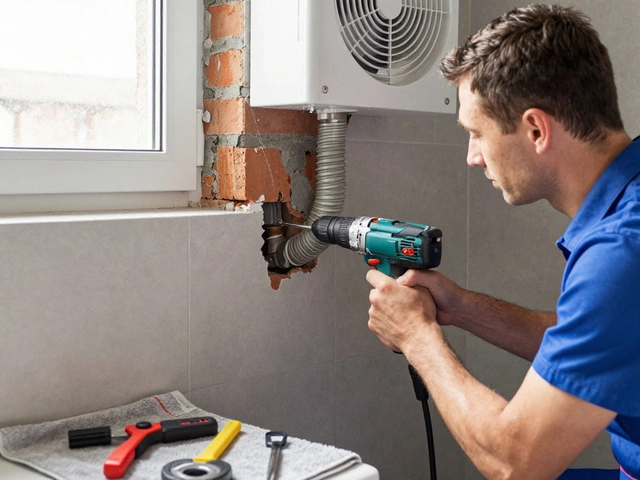
Can a plumber fit an extractor fan? While they can install the unit, only a qualified electrician can legally and safely handle the wiring. Learn what you need to know before hiring anyone.
If your freezer isn't doing its one job—keeping things cold—you're in a pickle. But before you start shopping for a new one, there are a few things you might try to get it back to work. From checking the power source to cleaning coils, fixing cooling problems can often be simple and straightforward. Let's explore some potential solutions to get your freezer chilling again.
A 40-year-old boiler can pose potential safety risks. Understanding the wear and tear it undergoes over the decades is crucial. Regular maintenance and safety checks are essential to ensure it operates safely. Homeowners should consider the pros and cons of keeping such an old appliance. Discover tips and advice on making informed decisions regarding your boiler's safety and efficiency.
Is your washing machine considered old? Learn the real lifespan, signs it's aging, and pro tips to keep it running longer. Get real facts and advice from an expert.