

If your oven, hob or dryer suddenly stops heating, the culprit is often a heating element that’s gone bad. It’s a cheap part, but when it fails it can feel like a big disaster because you lose heat fast. The good news? In many cases you can test the element yourself, decide if it’s a simple swap, and only call a pro if the job feels unsafe or the part is hard to get.
First, look for the classic symptoms. An oven that stays cool no matter what you set it to, a hob that has a dead burner, or a dryer that runs forever without warming up are all red flags. You might also hear a buzzing sound before the element quits, or notice uneven hot spots – one part gets hot while the rest stays cold. If the element looks discoloured, has a broken wire, or shows visible cracks, it’s almost certainly the problem.
Before you grab a screwdriver, always unplug the appliance. Safety is the number one rule. To test the element, pull it out (most are held with a couple of screws) and use a multimeter set to the ohms setting. A good element reads around 10‑30 Ω depending on the model; an infinite reading means it’s broken. If the reading is normal, the fault might be a loose connection or a bad thermostat instead.
When the element is the issue, swapping it is usually straightforward. You’ll need the right replacement – match the voltage and wattage printed on the old part. Remove the mounting screws, disconnect the wiring harness, and fit the new element the same way. Tighten the screws, reconnect the wires, and give it a test run. Many homeowners finish this in under an hour, and the cost is often just the price of the part.
But don’t ignore the signs that you need a professional. If the element is inside a sealed unit (like many dryer drums) or you’re not comfortable working with electrical components, call Bognor Regis Appliance Repair Experts. Their technicians have the tools and experience to replace hidden elements safely, and they can spot related issues that might cause future failures.
In summary, a faulty heating element is a common and usually inexpensive fix. Identify the symptoms, test with a multimeter, and replace the part if you feel confident. When in doubt, especially with gas‑linked ovens or hard‑to‑reach dryer elements, let the experts handle it – they’ll get your appliance back to full heat quickly, without risking safety.

Spotting the two most common electric stove problems can make repairs easier. Learn how to catch signs like faulty burners and control issues with clear, helpful steps.
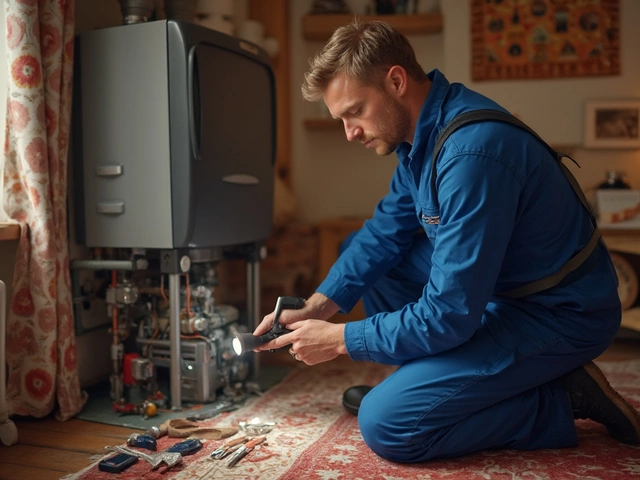
Regular boiler servicing is crucial to ensure safety and efficiency in home heating systems. A comprehensive service involves thorough inspections and cleaning, enhancing performance and extending the lifespan of the unit. Areas covered include checking the burner, inspecting the flue, and ensuring controls work correctly. Routine servicing helps prevent breakdowns and identifies potential issues early. Understanding what's involved can help homeowners make informed decisions and maintain reliable heating.

When your dishwasher starts acting up, a quick, accurate diagnosis can save you from bigger headaches and pricey repairs. This article walks through simple methods to spot dishwasher problems, from weird noises to stubborn leaks. You'll learn what to check first, how to tell if it's a DIY fix, and when it's time to call in a pro. Handy tips and real-life examples make this guide easy to follow, even if you're not a born handyman. Don't let a small hiccup become a kitchen disaster — know what to look for and act fast.

Repairing a glass hob is an essential task for maintaining a functional and modern kitchen. The cost of fixing a glass hob can vary greatly depending on the damage's severity and the required repair type. This article delves into the various factors influencing repair costs, from crack treatment to replacement solutions. It also provides tips for maintenance to prolong the lifespan of your hob and prevent future damage.
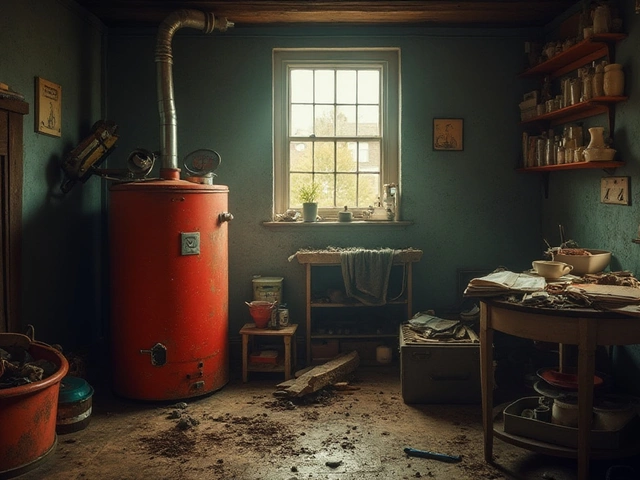
A 40-year-old boiler can pose potential safety risks. Understanding the wear and tear it undergoes over the decades is crucial. Regular maintenance and safety checks are essential to ensure it operates safely. Homeowners should consider the pros and cons of keeping such an old appliance. Discover tips and advice on making informed decisions regarding your boiler's safety and efficiency.

Is your 10 year old dryer gasping for air, and you’re wondering if it’s time to fix or toss it? This article breaks down how long dryers usually last, what typical repair costs look like, and when it just makes more sense to get a new one. You’ll find smart tips to figure out if fixing an older dryer is throwing good money after bad or saving yourself from an expensive upgrade. Get real-life advice that skips the fluff and gets to the point.