

When the kitchen or bathroom fan goes silent, it can feel like the whole house is holding its breath. Before you panic or call a technician, try these quick steps. Most fan failures are caused by something you can spot and fix in minutes.
1. Power supply – Make sure the fan is actually getting electricity. Check the switch, wall socket or circuit breaker. A tripped breaker or a loose plug is the easiest culprit.
2. Reset button or thermostat – Some extractor fans have a built‑in reset button that trips when the motor overheats. Press it and see if the fan revives.
3. Clean the blades – Grease and dust can jam the blades or block the motor’s airflow. Turn off the power, remove the cover and wipe the blades with a damp cloth. A clean fan often spins again.
4. Inspect the fan motor – Look for any obvious signs of damage: burnt smell, broken wires, or a loose motor mounting. If the motor looks fine but still won’t turn, it could be an internal fault that needs a professional’s eye.
Replace a faulty switch – A worn-out on/off switch can stop the fan dead in its tracks. Snap off the fan’s cover, locate the switch, and replace it with a matching part. Wiring diagrams are usually inside the fan’s housing.
Check the capacitor – Many fans use a small capacitor to start the motor. If it’s swollen or leaking, the fan won’t start. Swapping the capacitor with an identical rating often brings the fan back to life.
Secure loose wiring – Over time, wires can loosen from their connectors. Tighten any loose screws and make sure the wires are firmly seated. A solid connection can solve intermittent stopping.
Remember to always turn the electricity off at the fuse box before you touch any parts. If you’re unsure about any step, it’s safer to pause and call a professional.
Even with these checks, some problems need a trained technician. A burnt‑out motor, a broken fan blade, or complex electrical faults are best handled by Bognor Regis Appliance Repair Experts. Our team can quickly diagnose the issue, source the right part and get your fan humming again – often within the same day.
Don’t let a silent fan affect your home’s ventilation. Use these tips to troubleshoot, and when the fix is out of reach, give us a call. We’ll have your kitchen or bathroom breathing easy again in no time.
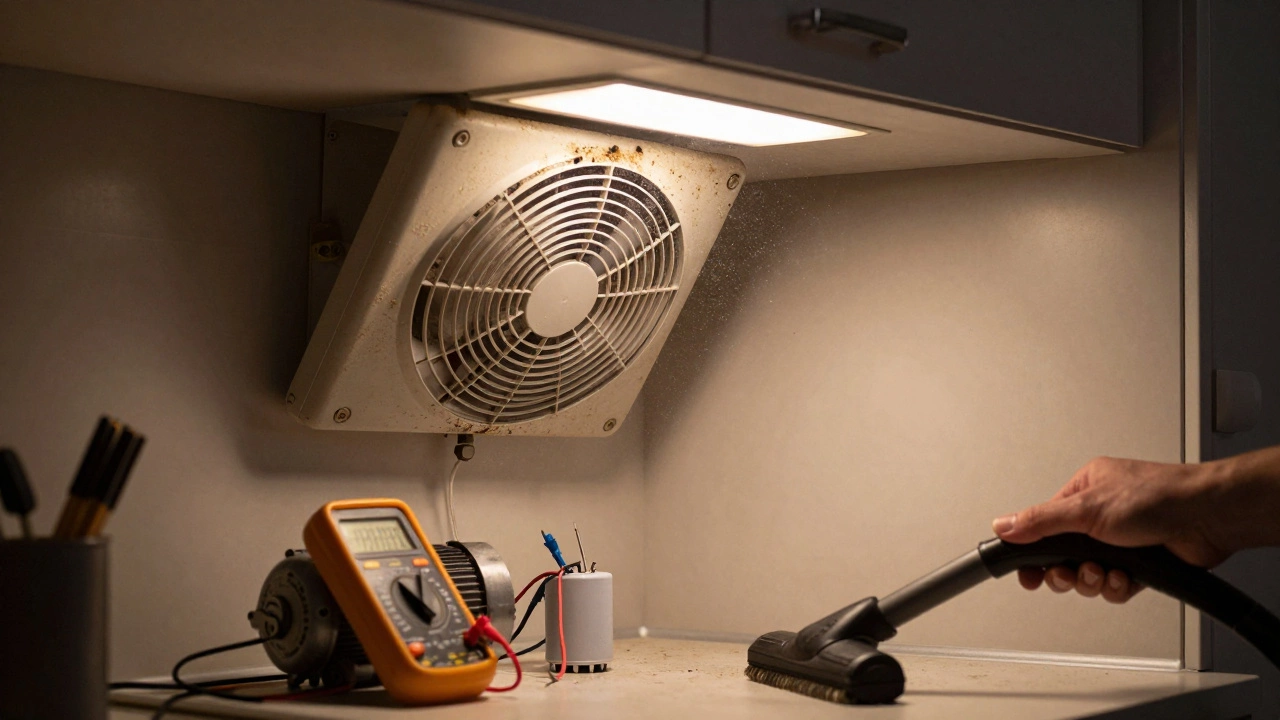
If your extractor fan suddenly stopped working, check the power, capacitor, and airflow first. Most issues are fixable without replacing the unit. Learn how to diagnose and repair common fan failures safely and affordably.
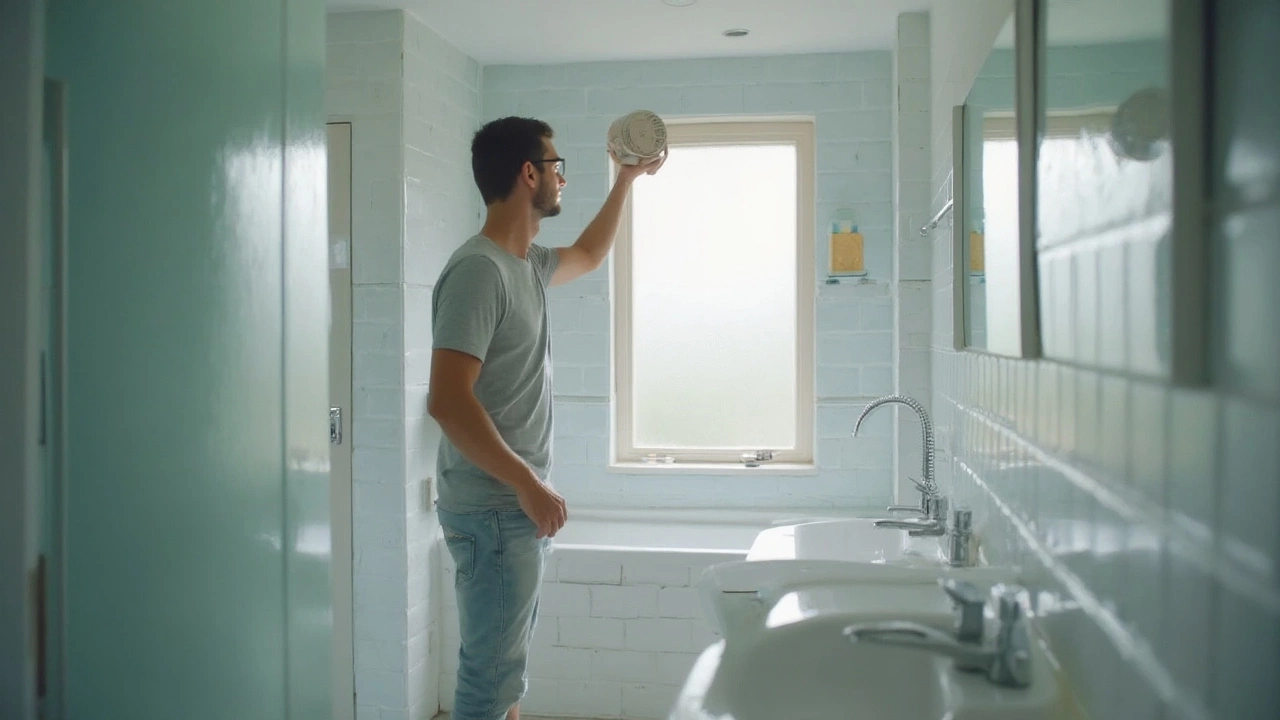
Nobody wants to deal with a stuffy bathroom or smoky kitchen, but if your extractor fan isn’t working, that’s exactly what you’ll get. This article shows you how to check if your extractor fan is doing its job or just taking up space. From simple power checks to quick airflow tests, you’ll learn hands-on methods anyone can use—no tech wizardry needed. Expect practical tips, a couple of helpful tricks, and signs that tell you when it’s time to call an expert. Don’t let stale air hang around: let’s figure out what your fan is up to.

Struggling with a kitchen extractor fan that's lost its power? This guide explains how to find and fix common blockages that cause bad smells and poor airflow. Learn step-by-step how to safely clean your fan and make it work like new, plus get handy maintenance tips to stop future clogs. We break down the process so you don't need tools or special skills. Get your kitchen back to normal without calling in an expert.

Experiencing no hot water in the shower can be frustrating, especially on cold mornings. This article provides practical solutions to diagnose and resolve common issues with your water heating system. From checking simple things like the thermostat to identifying more complex issues like a faulty heating element, you'll learn how to get back to enjoying a warm shower.
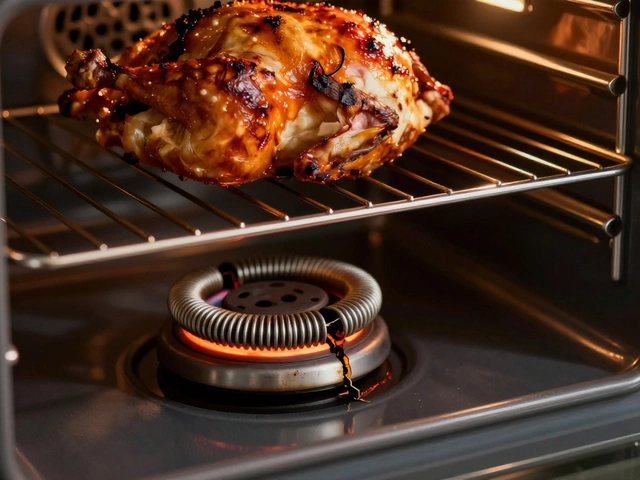
Discover if replacing your oven heating element is cost-effective compared to buying a new appliance. We break down repair costs, DIY steps, and signs of failure to help you decide.

Who pays for boiler maintenance? Landlords must cover it for tenants. Homeowners pay for everything. Warranties don't cover servicing. Annual checks are legally required and save lives.
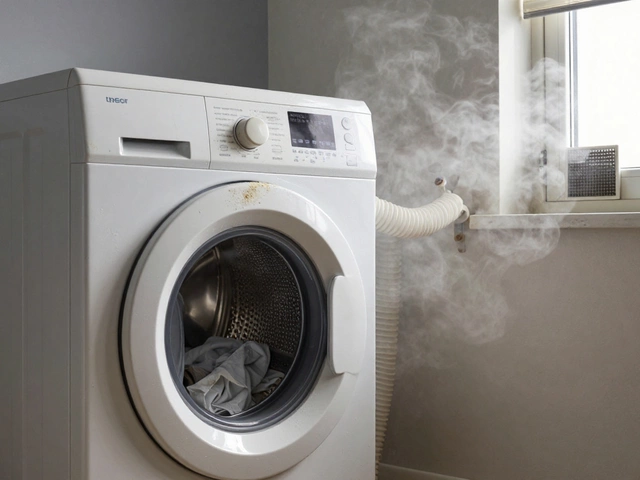
Most tumble dryers last 8-13 years, but poor maintenance can cut that in half. Learn the signs your dryer is failing, when to repair vs replace, and how to make it last longer.

A malfunctioning boiler can be a real nuisance, especially during the cold months. Understanding whether a broken boiler constitutes an emergency is crucial. This article provides insights into when to prioritize boiler repairs, potential risks associated with delayed attention, and essential DIY tips to consider before professional help arrives. Dive into valuable advice on maintaining your heating system efficiently.