

When your fan motor, the small but vital component that spins the blades in appliances like extractors, washing machines, and dryers. Also known as blower motor, it’s not flashy—but when it dies, your kitchen gets steamy, your clothes stay damp, and your fridge starts running hot. This isn’t just about comfort. A broken fan motor can force other parts to overwork, leading to bigger, costlier breakdowns down the line.
Most extractor fans, the units above your stove that pull out smoke and grease fail because of grease buildup, old bearings, or worn-out windings. In washing machines, the fan motor cools the motor and electronics during spin cycles, and when it stops, the machine overheats and shuts down. Dryers? Same story. If your clothes take forever to dry and the drum spins but no air moves, the fan motor’s likely gone. You don’t need a degree to spot it—just listen. A grinding noise, a quiet hum with no airflow, or a motor that won’t turn at all? Those are the signs.
Replacing a fan motor isn’t always expensive. For most household appliances, the part itself costs between £30 and £80. Labour adds another £60 to £120, depending on access and complexity. But here’s the catch: if your appliance is over 8 years old, it’s often smarter to replace the whole unit. Newer models are quieter, more efficient, and come with better warranties. Still, for mid-range machines and dryers, a motor swap can give you 3–5 more years of use. Don’t assume it’s a wiring issue—most times, it’s the motor. And no, holding the reset button won’t fix it.
What you’ll find below are real repair stories from people who faced the same problem. Some saved money by fixing it themselves. Others avoided a flood by catching a failing motor before it took out the whole machine. We’ve got guides on why dryers break, how to tell if your oven’s fan is the culprit, and what to do when your washing machine won’t spin. No fluff. Just what works.
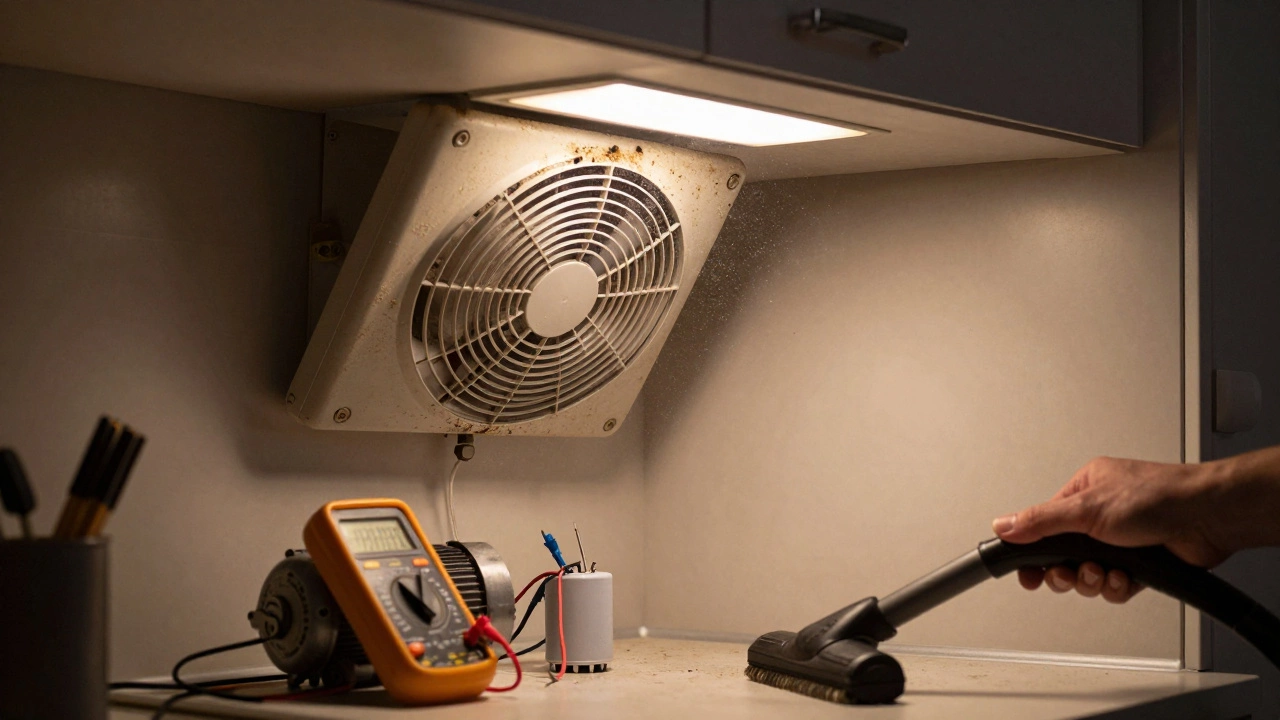
If your extractor fan suddenly stopped working, check the power, capacitor, and airflow first. Most issues are fixable without replacing the unit. Learn how to diagnose and repair common fan failures safely and affordably.
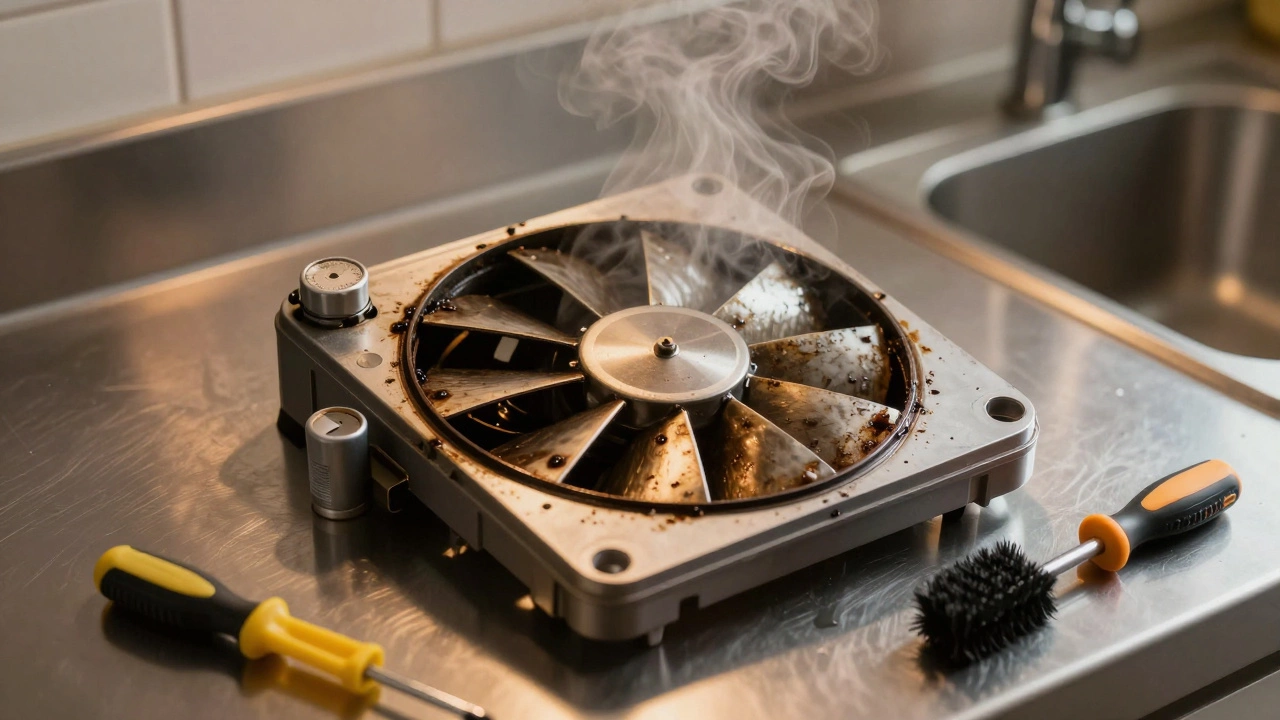
Most extractor fans can be repaired with simple fixes like cleaning, capacitor replacement, or tightening parts. Learn when DIY works and when to call a pro to avoid costly damage from damp and mold.
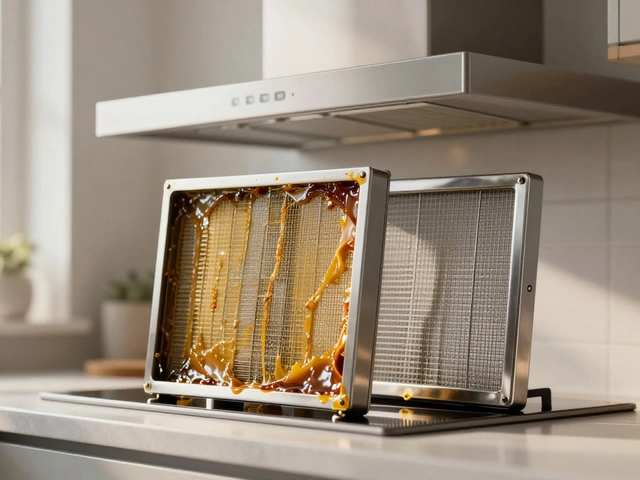
Discover how long extractor fans last, signs of failure, and when to repair vs replace. Expert tips for extending lifespan and maintaining kitchen/bathroom ventilation.
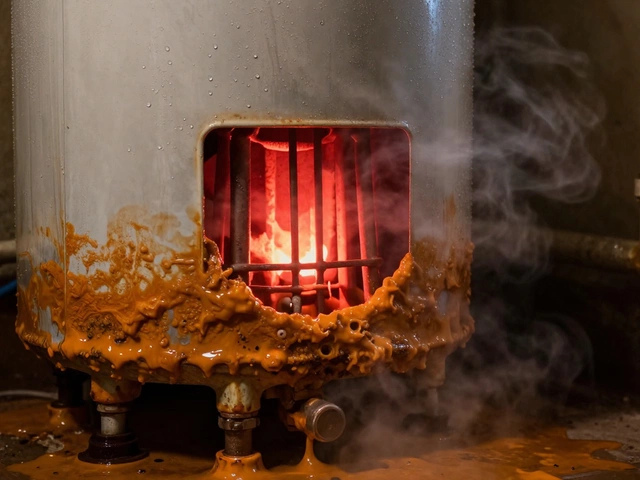
Sediment buildup from hard water is the #1 cause of water heater failure. Learn how mineral deposits damage your tank, why the anode rod matters, and simple steps to prevent leaks and extend your heater's life.
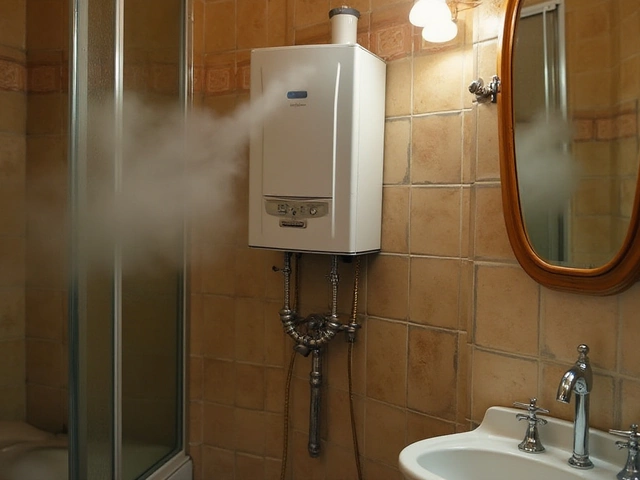
When your hot water heater isn't supplying the steamy showers you're used to, it might be due to a faulty heating element. This article dives into common indicators of a malfunctioning water heater element, such as unusual noises, inconsistent water temperatures, and an unexpected spike in your energy bills. You'll learn how to diagnose potential issues and gather insights on troubleshooting these problems. While some fixes might require professional expertise, understanding the basics can help you pinpoint the root of the problem and decide the best course of action. Get ready to reclaim your warm water comfort!

Repairing a gas oven might seem daunting, but it's often worth the effort. This article explores when it's practical to repair versus replace, common issues, and cost-effective solutions. Learn helpful tips, find out if it’s a DIY fix, and consider important safety aspects. Discover how to make an informed decision that saves money and hassle.

Pressure cookers can usually be repaired, and fixing them at home can save both time and money. This article covers how to spot common problems, which parts can be replaced, and when to leave repair jobs to the pros. You'll also find smart tips to keep your pressure cooker running safely. Even if you're not a 'handy' person, a lot of repairs are easier than you’d think. Don't toss out that pressure cooker until you know what can actually be fixed.