

Extractor fans pull stale air, odors, and moisture out of your home. When they start to sputter or make noise, it’s often a sign you’ve ignored basic maintenance. A quick clean or a simple part swap can bring the fan back to life and save you a call to a pro.
Most experts recommend giving your kitchen or bathroom fan a deep clean at least once a year. If you cook greasy meals or run long showers, aim for every six months. Turn off power, remove the cover, and vacuum out dust and grease with a brush. A damp rag wipes away the remaining grime—just avoid getting water inside the motor.
Skipping this step lets grime build up on the blades, lowering airflow and forcing the motor to work harder. Over time the motor can overheat, which is why you might hear a humming sound before the fan quits altogether.
Even with regular cleaning, fans have a lifespan. A well‑maintained kitchen fan usually lasts 8‑10 years; bathroom fans can reach 12‑15 years because they run less often. Look for these warning signs:
If you spot any of these, it’s time to replace the unit. Replacing a fan is a weekend DIY project for most homeowners. You’ll need a screwdriver, a new fan model that matches the existing duct size, and a voltage tester. Disconnect the wiring, remove the old fan, and mount the new one following the manufacturer’s instructions.
For those who aren’t comfortable working with electricity, a local electrician can finish the wiring safely—usually faster and cheaper than a full‑service call for a simple swap.
Keeping your fans in top shape also means checking the ductwork. Loose connections let moist air escape back into the room, which defeats the fan’s purpose. Tighten any clamps and seal gaps with foil‑tape if needed.
Finally, don’t forget the filter. Some fans have replaceable charcoal or mesh filters that trap odors and particles. Swap them out every 3‑6 months, especially in high‑use kitchens.
By cleaning, inspecting, and knowing when to replace, you keep your home ventilated, dry, and odor‑free—all without breaking the bank.
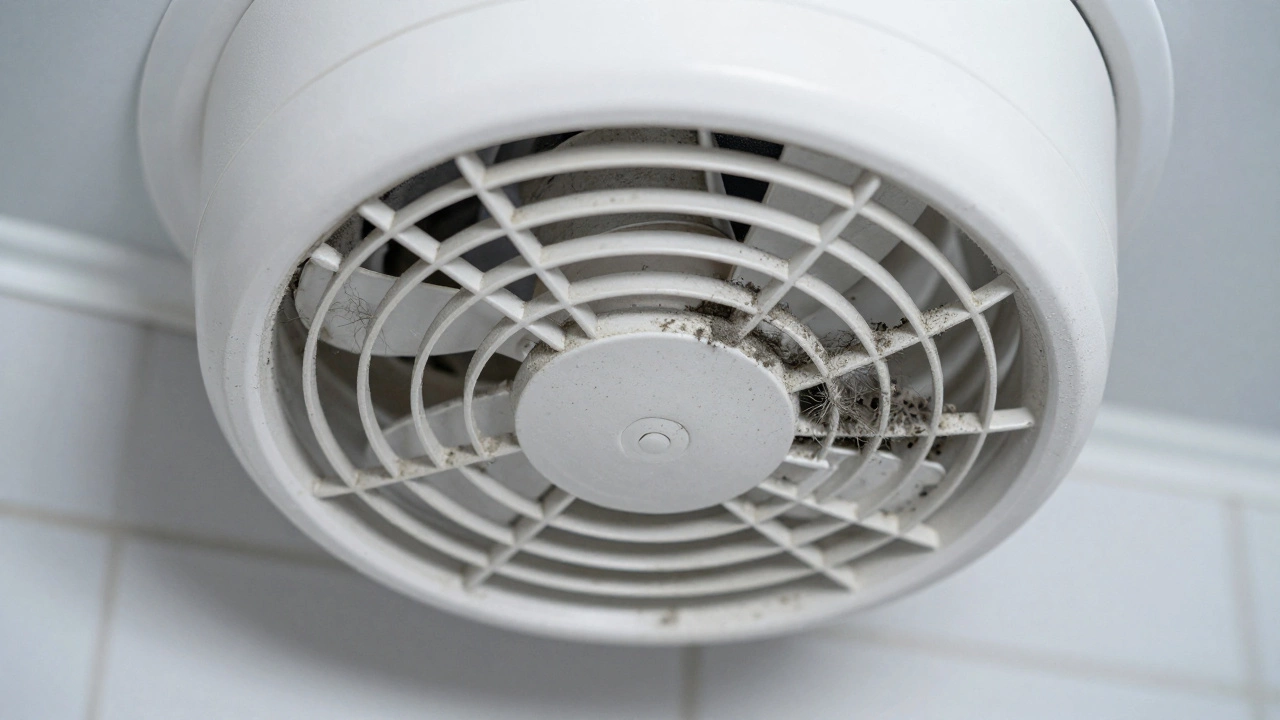
Learn how to properly service your bathroom extractor fan with this easy step-by-step guide. Discover cleaning tips, troubleshooting tricks, and when to call a pro.

Not sure how to keep your extractor fan running smoothly? This guide breaks down the simple steps to service an extractor fan, covering cleaning, inspecting parts, and spotting potential issues. Regular maintenance can extend the life of your fan and ensure your kitchen stays fresh and ventilated. Discover some handy tips and tricks to make this an easy task. No need to call in a professional; you can handle this yourself with a little guidance.

Extractor fans play a crucial role in maintaining the air quality of your home, yet often go unnoticed until issues arise. Regular servicing of extractor fans can prevent malfunction, improve efficiency, and extend the lifespan of the device. This article explores the importance of servicing extractor fans, signs that show when a service might be needed, and provides maintenance tips to keep these devices in tip-top condition. Learn how a well-maintained extractor fan can contribute to a healthier living environment.

Extractor fans are crucial for maintaining fresh air and reducing humidity in various parts of a home. When these fans malfunction, it's important to know who to call for repairs. This article guides homeowners on how to find reliable extractor fan repair services. We'll look at why professional help is essential and what to consider when selecting a repair technician.

Extractor fans are essential for maintaining air quality in enclosed spaces like kitchens and bathrooms. When these fans break down, they can lead to moisture buildup and unpleasant odors. This guide offers practical advice on fixing a broken extractor fan, providing step-by-step instructions that any homeowner can follow. Learn how to diagnose common issues and the tools needed to restore your fan to working order.

Gas hobs can suddenly stop working for a bunch of reasons, from ignition troubles to blockages or problems with gas supply. This article breaks down the main causes, so you don't have to guess what went wrong. You'll learn easy troubleshooting steps and a few quirky facts about why these appliances get stubborn. With some quick checks, you might even save yourself a call to the repair guy. Know when it’s a simple fix and when it’s time for a pro.

Neglecting boiler maintenance can lead to a series of unfortunate events, from reduced heating efficiency to costly breakdowns. A neglected boiler could become a safety hazard, potentially increasing the risk of carbon monoxide poisoning. Regular servicing can enhance your boiler’s longevity, ensuring a warm home environment during cold spells. Discover why these routine check-ups are more crucial than many realize and learn how they can save you from avoidable expenses.

Annoyed by standing water at the bottom of your dishwasher? This article breaks down why your dishwasher isn't draining, what can cause it, and how to troubleshoot the most common issues. Learn about clogged filters, garbage disposal connections, and more. I'll also share some handy tips to help you prevent problems in the future. Whether you're a first-timer or have dealt with dishwasher headaches before, you’ll find practical advice here.
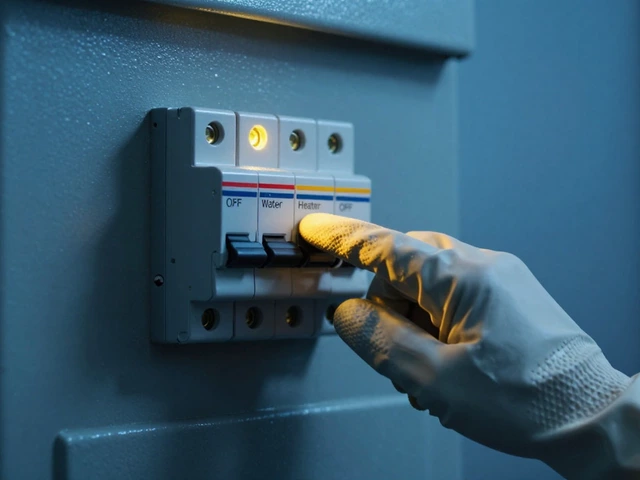
Learn if you need to turn off the breaker to reset a water heater. Step-by-step safety guide for electric and gas models, troubleshooting tips, and when to call a pro.

When it comes to kitchen convenience, dishwashers are hard to beat. They free up our time, reduce water and energy use, and help keep our kitchenware sparkling clean. But how long should one really expect a dishwasher to last? This article will explore average lifespans, key factors affecting longevity, and practical tips for extending the life of your trusty machine, ensuring you get the most value and efficiency.