

Anyone who cooks or showers knows a good extractor fan is a lifesaver. It pulls out steam, smells and moisture, stopping mould and keeping the air clean. When the fan starts to sputter, make odd noises or just won’t turn on, it’s a clear sign it needs some TLC.
First things first – notice what’s wrong. A whirring sound that gets louder over time usually means dust and grease have built up on the motor. If the fan runs but the air still feels stale, the vent could be blocked. Leaking water around the fan housing hints at a faulty seal. Write these clues down; they’ll help you decide whether a quick clean‑up will do or if a part needs replacing.
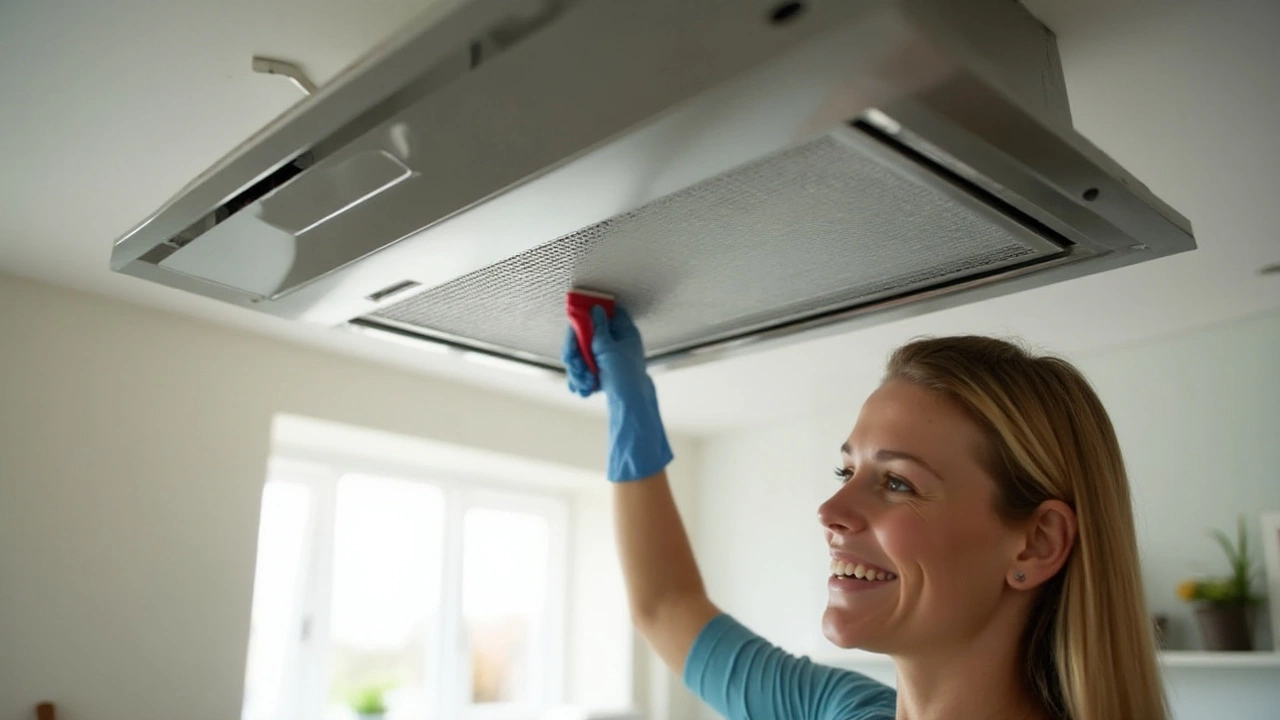
Most extractor fans can be serviced in less than an hour with a few basic tools. Start by turning off the power at the switch or fuse box – safety first. Remove the front cover; it’s often clipped or screwed on. Soak the cover in warm, soapy water and scrub away the grime with a non‑abrasive brush.
Next, reach inside the housing and pull out the fan blade. Use a soft brush or a vacuum with a narrow nozzle to get rid of dust on the motor and blades. If the motor feels hot after a short test run, it may be worn out and need a new one. Re‑assemble, secure the cover, and give the fan a test run. If it still sounds rough or won’t spin, it’s time to think about a replacement.
When replacing the fan, note the size and voltage – most kitchen fans in the UK run on 120‑240 V and are about 150 mm in diameter. Grab a matching unit, disconnect the old wiring (remember which colour goes where), and connect the new fan. Tighten the screws, restore power, and you should be back to clear air in minutes.
Sometimes the issue isn’t the fan itself but the vent pipe. Over time, the pipe can collect lint, fat or even bird nests. A flexible pipe cleaner or a long brush can push the blockage out. If the pipe is rusted or cracked, replace it – a good vent pipe should be smooth inside and sealed tightly at both ends.
Regular maintenance makes all this easier. A quick wipe‑down of the cover every month and a deeper clean every six months will keep the motor cool and extend its life. Set a reminder on your phone; you’ll thank yourself when the fan runs silently for years.
If you’ve tried cleaning and the fan still misbehaves, call a professional. Our local Bognor Regis Appliance Repair Experts can diagnose motor failures, replace worn belts and check the electrical connections safely. They’ll also give you a clear quote, so you won’t be surprised by hidden costs.
Remember, a faulty extractor fan isn’t just an annoyance – it can lead to damp walls, mould growth and higher energy bills. By spotting early signs, doing a simple clean‑up, and knowing when to call a pro, you’ll keep your kitchen and bathroom breathing easy.
Routine maintenance of extractor fans is crucial to maintaining indoor air quality and ensuring the efficient operation of these ventilation systems. This article explores why servicing extractor fans is important, providing insight into potential problems that may arise if overlooked. Learn how regular upkeep can prevent costly repairs and improve the lifespan of your equipment. Discover practical tips and a step-by-step guide on how to ensure your extractor fan is operating at its best. Keep your home fresh and healthy by understanding the significance of extractor fan servicing.

Extractor fans play a crucial role in maintaining the air quality of your home, yet often go unnoticed until issues arise. Regular servicing of extractor fans can prevent malfunction, improve efficiency, and extend the lifespan of the device. This article explores the importance of servicing extractor fans, signs that show when a service might be needed, and provides maintenance tips to keep these devices in tip-top condition. Learn how a well-maintained extractor fan can contribute to a healthier living environment.

Deciding between repairing and replacing a freezer can be tricky. This article guides you through evaluating repair costs, expected lifespan, and energy efficiency before making a decision. It provides practical advice to help you make an economical choice, whether to fix or replace your freezer. Learn important factors to consider, like repair frequency and environmental impact, to ensure you spend wisely.

Replacing the anode rod in a water heater can extend its lifespan and prevent costly repairs. This article breaks down the cost of replacement, including materials and labor, and discusses why it's a crucial part of water heater maintenance. Discover how often anode rods should be checked and what signs indicate it's time for a replacement. Whether you DIY or hire a pro, understanding these factors can save you money and stress.

Curious how to fix a broken cooker? Explore hands-on steps, common faults, safety tips, and tricks to get your appliance working again—no jargon, just practical advice.

Is your hot water heater suddenly not working? Here’s what can go wrong, how to spot the problem fast, and pro tips to get hot water back right away.

Cookers are an essential part of any kitchen, and knowing their average lifespan can help in planning for replacements and repairs. On average, cookers last between 10 to 15 years depending on several factors like usage, maintenance, and brand quality. Regular maintenance and timely repairs can extend the life of your cooker significantly. Understanding the warning signs of wear and tear and knowing when to repair or replace can save both time and money. This article will dive into expert tips to maximize the life of your cooker.