

If your kitchen or bathroom feels stuffy, or you hear a strange whine every time you turn on the fan, you’re probably dealing with an extractor fan problem. These fans are the unsung heroes that pull steam, odors, and moisture out of rooms, so when they quit working you notice it fast.
Here are the five symptoms that scream something’s wrong:
1. Weak airflow. The fan runs but the suction feels lazy. Dust‑clogged filters, a blocked duct, or a slipping motor belt are the usual suspects.
2. Loud or rattling noise. A wobbling blade, loose mounting screws, or a failing bearing can turn a quiet fan into a miniature jukebox.
3. Fan won’t start. No hum, no spin – either the power supply is broken, the switch is faulty, or the motor has burned out.
4. Buzzing or humming. This often means the motor is trying to work but can’t turn the blade, a sign of a seized motor or a stuck blade.
5. Odd smells. A burnt odor hints at an overheating motor, while a musty smell points to mould growing inside a damp duct.
Before you call a pro, try these quick troubleshooting steps. They take under ten minutes and can save you a call‑out fee.
Power check. Verify the fan is receiving electricity. Use a lamp or a tester on the socket. If the outlet is dead, reset the circuit breaker or replace a blown fuse.
Clean the filters. Most extractor fans have removable metal or charcoal filters. Take them out, soak in warm soapy water, scrub away gunk, dry, and pop them back in.
Inspect the duct. Look for visible blockages—cooking grease, bird nests, or even a fallen piece of insulation. A flexible brush can clear most clogs.
Tighten the mounting. Loose screws let the fan wobble, creating noise and reduced performance. Grab a screwdriver and snug any loose bolts you find.
Test the motor. If the fan spins slowly or not at all, remove the front cover (after turning off the mains). Give the motor a gentle tap with a rubber hammer; sometimes a stuck rotor frees up.
If these steps don’t bring the fan back to life, it’s probably time to replace the unit.
Even the toughest fans have a lifespan—usually 8‑12 years for residential models. Look for these signposts that a new fan is the smarter move:
Replacing a fan typically costs £80‑£150 for a decent unit and basic installation. If you’re handy, you can keep the price toward the lower end by doing the install yourself.
Ready to swap the old fan for a new one? Follow these steps and you’ll have fresh airflow in no time.
1. Gather tools. You’ll need a screwdriver set, pliers, a drill (if new holes are needed), and a ladder or sturdy step stool.
2. Turn off power. Switch off the circuit breaker for the fan circuit. Double‑check with a voltage tester.
3. Remove the old fan. Unscrew the outer grill, disconnect the wiring (note which wire goes where), and unbolt the fan housing from the ceiling or wall.
4. Check the duct. Detach the duct from the old unit. Inspect it for damage; replace if it’s crumbling.
5. Install the new fan. Hang the new housing in place, reconnect the wires to the matching terminals, and secure the unit with the supplied brackets.
6. Seal the duct. Use foil tape to create an airtight connection between the fan and the duct. A leaky duct reduces performance.
7. Test it. Restore power, turn the fan on, and listen. You should feel stronger suction and hear a smoother, quieter spin.
If anything feels off—sparks, strange noises, or no power—switch it off immediately and call a qualified electrician.
Extractor fan problems can often be fixed with a little cleaning and a few checks, but knowing when to replace the unit saves you time and headaches. Keep an eye on airflow, noise, and smell, and don’t hesitate to give the fan a quick DIY overhaul before you call in the pros.

Wondering who fixes extractor fans? Find out which trade has the right skills, top repair tips, and practical advice for solving extractor fan issues fast.

Find out exactly how much it costs to fix a freezer that won't freeze in the UK. We break down repair prices for thermostats, compressors, and seals, helping you decide whether to repair or replace your appliance.
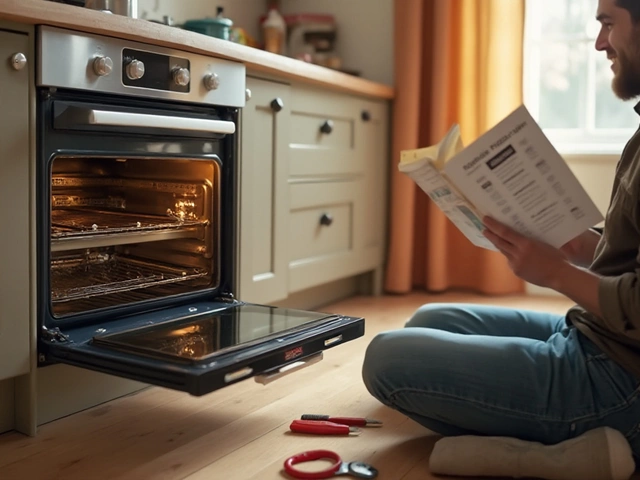
If your electric oven isn't heating properly, it might be time to replace the heating element. Understanding the costs and what's involved in the repair process can help you make informed decisions. This article dives into the factors affecting replacement costs, step-by-step guidance on how to change the element, and practical tips to ensure your oven runs smoothly. With these insights, you can tackle the repair yourself or hire the right professional for the job.

Fixing an electric stove might seem daunting, but many common issues are surprisingly manageable with a bit of know-how. From understanding why the burners aren't heating to recognizing if a problem needs professional attention, this article sheds light on various aspects of electric stove repair. Whether you're dealing with strange noises, faulty wiring, or a completely inoperative oven, we explore what’s usually repairable and what might require a replacement. With practical tips, learn to troubleshoot and potentially save on costly service calls.

Microwave suddenly dead? It might be the fuse. This article breaks down the real cost of repairing a microwave fuse—parts, labor, hidden fees, and whether you should DIY. You'll get practical tips on when to call a pro, what brands cost more, and how to avoid common mistakes. A straightforward guide to help you fix your microwave without overspending.

Replacing the anode rod in a water heater can extend its lifespan and prevent costly repairs. This article breaks down the cost of replacement, including materials and labor, and discusses why it's a crucial part of water heater maintenance. Discover how often anode rods should be checked and what signs indicate it's time for a replacement. Whether you DIY or hire a pro, understanding these factors can save you money and stress.