

When your exhaust fan, a device that pulls steam, smoke, and odors out of kitchens and bathrooms. Also known as extractor fan, it keeps your home air clean and prevents mold buildup. stops working, it’s not just annoying—it’s a health risk. Moisture builds up, walls get damp, and mildew starts growing. Most people assume it’s a simple fix, but the problem could be the motor, the switch, the wiring, or even a blocked duct. Knowing what’s wrong saves time and money.
Many extractor fans, common in UK kitchens and bathrooms, often fail due to age, dust buildup, or motor wear. last 8 to 12 years. If yours is older than that, a new one might cost less than a repair. But if it’s under 5 years old and just making noise or not pulling air, it’s likely a clogged filter, loose blade, or bad capacitor—things a technician can fix in under an hour. The fan motor, the core component that spins the blades and moves air. is the most common failure point. Replacing it costs between £50 and £120, depending on the model. But if the whole unit is cheap and outdated, buying a new one with better energy ratings can save you money long-term.
Don’t ignore signs like loud grinding, slow spinning, or no airflow at all. These aren’t just nuisances—they mean the fan isn’t doing its job. In bathrooms, that means humidity stays trapped, leading to peeling paint and rot. In kitchens, grease builds up on walls and ceilings. Some people try cleaning the blades themselves, but if the motor’s failing, that won’t help. And if the fan’s wired directly into the circuit, DIY fixes can be dangerous without the right tools and knowledge.
You’ll find real repair stories below—from cracked casings and burnt-out switches to full motor replacements. We’ve covered cases where fixing a fan cost less than £80, and others where replacing it with a quieter, smarter model made more sense. Some posts even show how to test if your fan is getting power before calling anyone. Whether you’re dealing with a noisy kitchen extractor or a bathroom fan that won’t turn off, this collection gives you the facts—not guesses.
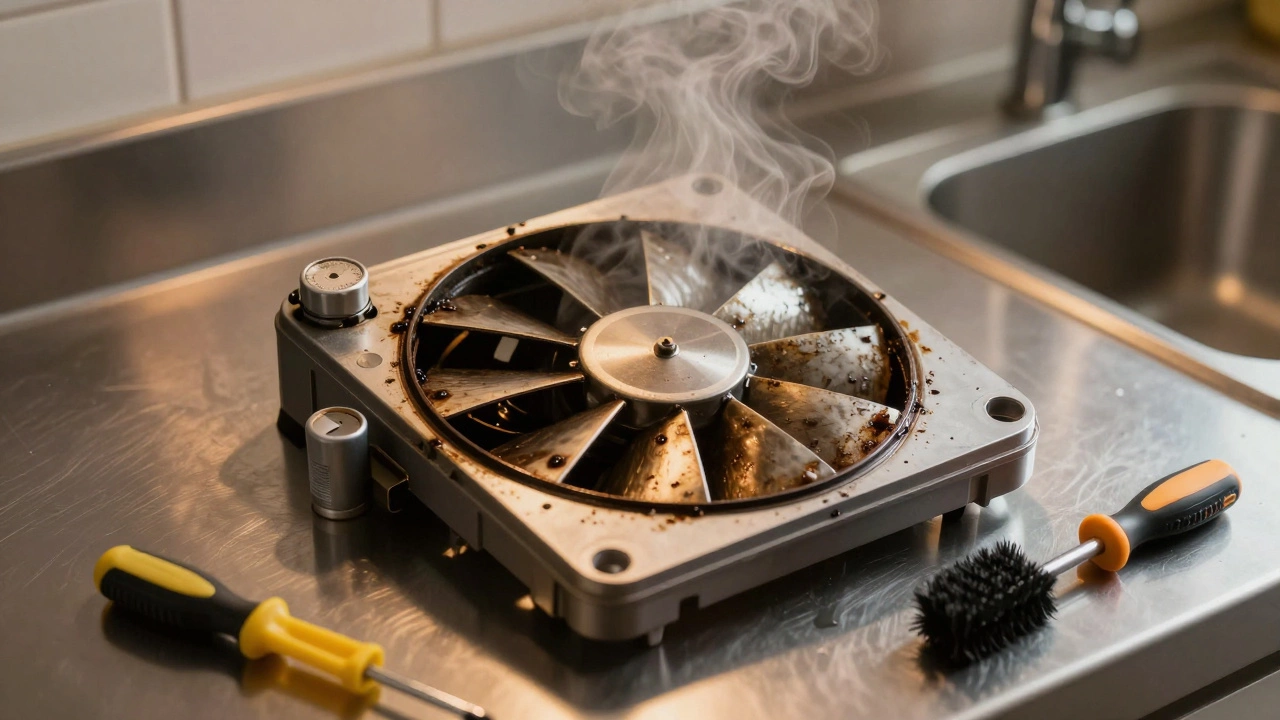
Most extractor fans can be repaired with simple fixes like cleaning, capacitor replacement, or tightening parts. Learn when DIY works and when to call a pro to avoid costly damage from damp and mold.
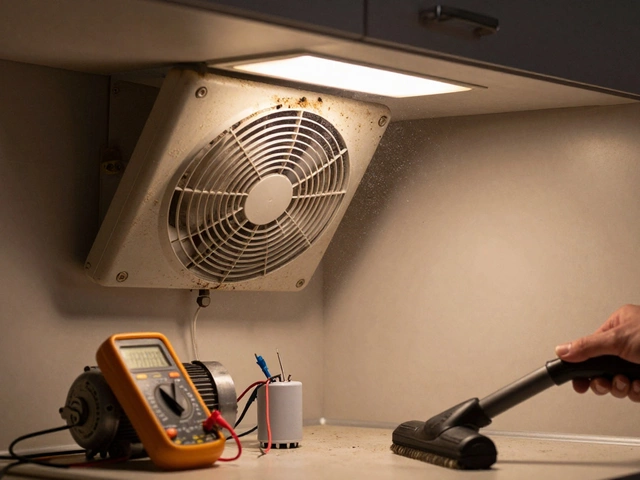
If your extractor fan suddenly stopped working, check the power, capacitor, and airflow first. Most issues are fixable without replacing the unit. Learn how to diagnose and repair common fan failures safely and affordably.

Spotting the two most common electric stove problems can make repairs easier. Learn how to catch signs like faulty burners and control issues with clear, helpful steps.
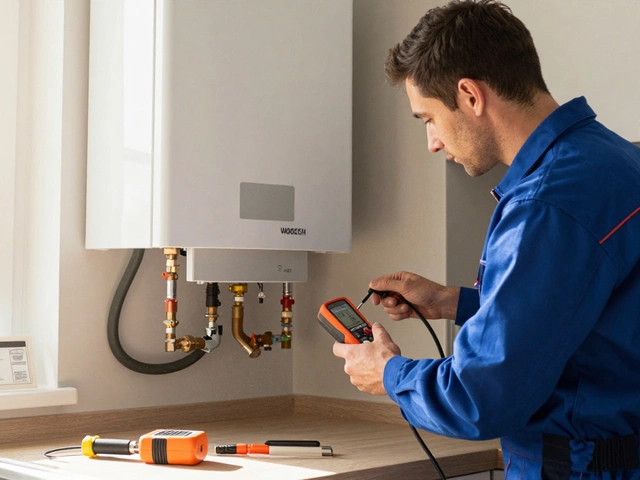
A typical boiler service takes 60 to 90 minutes, but older or neglected systems may require 2-3 hours. Regular annual servicing prevents breakdowns, improves efficiency, and keeps warranties valid. Always choose a plumber who tests gas safety and provides a written report.

Thinking about swapping out your electric oven? This article covers how tough the job really is, where people usually get stuck, and what you actually need to know. We break down what tools you really need, what pitfalls you can avoid, and when you should probably call someone who’s done it before. Get ready for straight talk—no tech jargon, just real advice for regular folks. Whether you DIY or call a pro, you’ll walk away ready to make a smart decision.

Ever wondered how long your trusty range oven will last? On average, a well-maintained range oven can serve you for about 10 to 15 years. Routine cleaning and minor repairs can help extend its lifespan. Knowing when to repair or replace your oven is crucial for efficiency and safety. Read on for practical tips to make sure your oven lasts as long as possible.