

Ever looked at your electricity bill and wondered why it climbs every month? The culprit is often the appliances you rely on every day. Swapping to energy efficient models can shave off pounds from the bill, keep your home comfortable, and shrink your carbon footprint. The good news? You don’t need to overhaul everything at once – a few smart choices go a long way.
First off, efficient appliances use less power to do the same job. A modern fridge with a good seal and a smart compressor can use up to 40% less energy than a ten‑year‑old model. The same principle applies to washing machines, dryers, ovens, and even heat pumps that both heat and cool your home. When you pick an appliance with a high energy rating, you’re paying a bit more up front but saving big on running costs.
Second, many energy‑saving models come with extra features that actually improve performance. For example, an electric oven with a convection fan spreads heat evenly, meaning you often need lower temperatures or shorter cooking times. A dishwasher that senses load size adjusts water usage automatically. Those little tech upgrades translate into real savings.
Lastly, going green isn’t just about the wallet. Lower energy consumption means fewer emissions from power plants, which helps the planet. In the UK, the government rewards households that meet certain efficiency standards, so you might even qualify for grants or tax breaks.
1. Read the label. Look for the Energy Rating label – the greener the letter, the better. For larger appliances like heat pumps, check the Seasonal Coefficient of Performance (SCOP) – the higher, the more efficient.
2. Size matters. A massive fridge in a small kitchen wastes energy. Choose a size that matches your household’s needs. Same goes for washing machines; a 7kg drum is perfect for a family of four, but a 5kg unit is smarter for a couple.
3. Keep it clean. Dusty condenser coils on fridges or blocked filters on extractors force the motor to work harder. A quick wipe‑down every few months restores efficiency.
4. Use the right settings. Many ovens and hobs have eco‑modes that lower temperature slightly without compromising results. Running dishwashers and washing machines on eco‑cycles saves both water and electricity.
5. Maintain heat pumps. Regularly check filters and schedule yearly professional servicing. A well‑maintained heat pump can last 15‑20 years and keep heating bills low even in chilly winters.
6. Don’t over‑fill. Whether it’s a dishwasher or washing machine, cramming too much in reduces cleaning performance and makes the motor work harder.
7. Upgrade wisely. If an appliance is more than 10‑12 years old, the cost of repair often outweighs the savings from a newer, efficient model. Use our guide on appliance lifespans to decide when it’s time for a replacement.
By following these tips, you’ll see a noticeable drop in your energy bills and enjoy appliances that work like new for longer. Remember, every small change adds up – the next time you’re shopping, let the energy rating steer your decision.

Curious about what counts as an appliance? Get concrete examples, clever tips, and practical facts about home appliances to make smart choices for your household.

Repairing an electric oven on your own can be daunting, but it may be easier than it seems. This article explores the basics of oven function, safety tips, and common issues like heating problems or broken knobs. You'll find valuable advice on identifying problems and learning when it's best to call a professional. With a bit of knowledge, some troubleshooting, and a few tools, you might be able to save money on repair costs. Remember to prioritize safety above all while attempting repairs.

Neglecting boiler maintenance can lead to a series of unfortunate events, from reduced heating efficiency to costly breakdowns. A neglected boiler could become a safety hazard, potentially increasing the risk of carbon monoxide poisoning. Regular servicing can enhance your boiler’s longevity, ensuring a warm home environment during cold spells. Discover why these routine check-ups are more crucial than many realize and learn how they can save you from avoidable expenses.

Curious how to fix a broken cooker? Explore hands-on steps, common faults, safety tips, and tricks to get your appliance working again—no jargon, just practical advice.
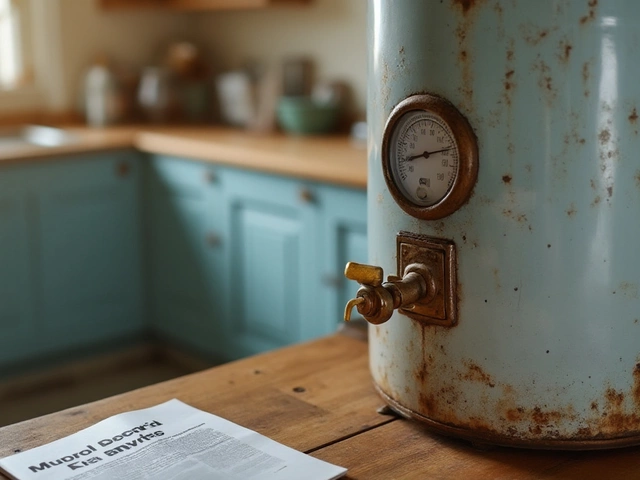
Determining when your hot water heater needs replacement isn't always straightforward. This guide explores key signs such as irregular water temperatures, strange noises, and age that might indicate it's time to get a new unit. Understanding these signs not only ensures a reliable hot water supply but also prevents potential damage and higher energy bills. Additionally, we discuss some tips for maintenance to prolong the life of your current system.
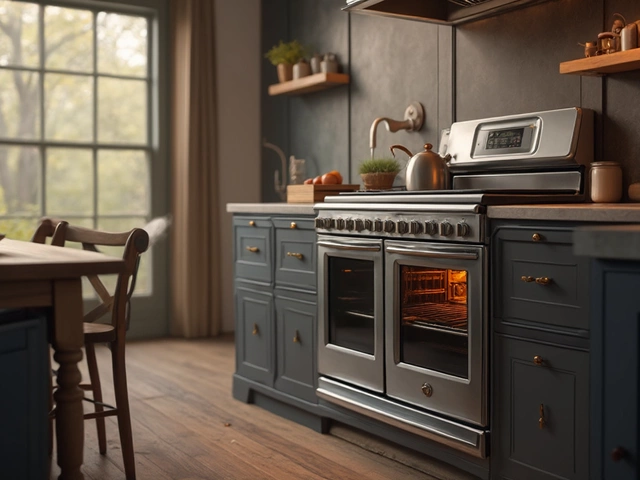
Choosing an oven that stands the test of time goes beyond looks and price. This article delves into which oven brands are celebrated for their durability. We'll explore how build quality, materials, and innovative technologies play a role in longevity. Plus, you’ll get insider tips on maintaining your oven for years to come. Discover how to make a smart choice today that benefits you tomorrow.