

Feeling the pinch on your electricity bill? Most of us use the same set of appliances every day – washer, dryer, fridge, oven, heat pump – and a lot of hidden waste slips through the cracks. The good news? Small changes and regular upkeep can shave off a big chunk of that waste. Below you’ll find practical steps you can take right now, plus why a quick call to a local repair expert can keep things humming efficiently.
Every kilowatt‑hour you save is money back in your pocket and less strain on the grid. In the UK, heating and hot water alone make up about a third of household energy use. When an appliance runs harder because it’s dirty, out of balance, or has a faulty part, it draws more power to do the same job. That’s why keeping things in good shape isn’t just about avoiding breakdowns – it’s about keeping your home greener and cheaper.
Washing machines – Only run full loads and choose the eco‑wash cycle when possible. Clean the lint filter and check the door seal for wear; a leaky seal makes the motor work harder. If you hear rattling, a worn drum bearing could be the culprit – a quick repair can restore smooth operation.
Dryers – Un‑bottle lint after every cycle; a clogged vent can raise temperature and energy use dramatically. If your dryer takes forever to finish, the heating element might be failing. Replacing it is cheaper than buying a new unit and cuts down on wasted heat.
Refrigerators and freezers – Keep coils behind the fridge clean; dust acts like insulation and forces the compressor to run longer. Make sure doors seal tightly – a paper test (close the door on a piece of paper, pull gently) will show if you need a new gasket. A faulty thermostat can also cause the fridge to run continuously – a professional check can sort that out fast.
Electric ovens and hobs – Pre‑heat only when you need to, and use the right size burner for the pan. A broken oven element or hob coil wastes heat and can burn out the whole circuit. Swapping the element is a simple fix that restores even heating and lowers electricity draw.
Heat pumps – These are already efficient, but they need regular servicing. Clear any debris around the outdoor unit, and check filters every three months. If the pump isn’t blowing warm air, it could be a refrigerant leak or a failing fan motor – both are repairable and far cheaper than a full replacement.
Boilers and water heaters – Flush the system annually to prevent sludge buildup. A scale‑laden boiler works harder, raising both gas and electricity usage. If you notice cold spots in your shower, an aging heat exchanger might need a clean or a part swap.
Extractor fans – Dusty blades reduce airflow, making the fan spin faster to push the same amount of air. Clean the fan and replace the motor if it’s humming louder than usual. A fan that runs efficiently helps keep moisture down, which in turn protects other appliances from rust.
All these tweaks share a common theme: regular maintenance prevents tiny problems from turning into energy‑guzzling disasters. When you spot a hiccup – strange noises, longer run times, uneven heating – it’s a sign that a professional repair can save you more than just a repair bill.
At Bognor Regis Appliance Repair Experts we specialise in quick, reliable fixes that restore your appliances to their peak efficiency. Whether it’s a faulty oven element, a struggling heat pump, or a noisy extractor fan, our technicians know how to get things working right without unnecessary waste.
Take a quick look around your kitchen and utility room today. Spot a dusty coil, a loose seal, or a noisy motor? Fix it, call a repair pro, and watch your energy bill shrink. Small actions add up – and a well‑tuned home runs smoother, greener, and cheaper for everyone.
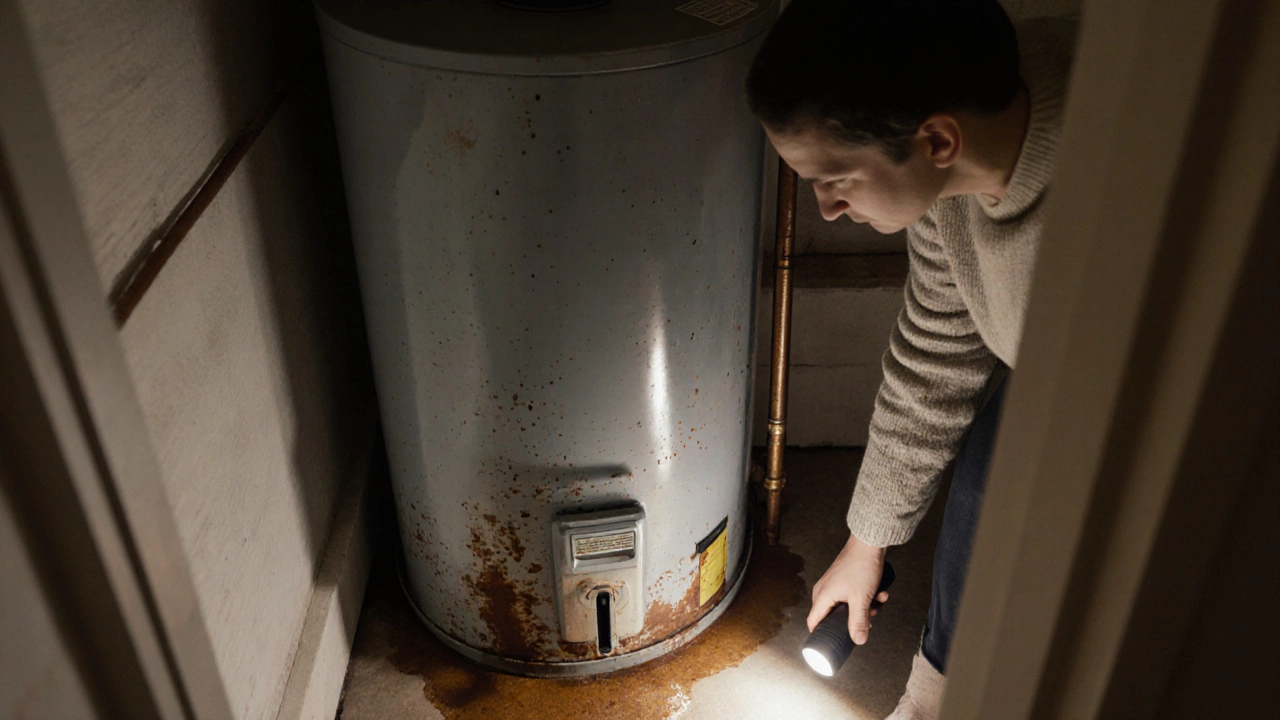
Find out if fixing a 20‑year‑old water heater makes sense. Compare repair costs, energy loss, and replacement price to decide the best move for your home.

Stuck between fixing or swapping your boiler? Discover the real facts, costs, tips, and how to make the right call for your property, budget, and comfort.

Learn how to spot a malfunctioning heat pump, recognize warning signs early, and troubleshoot issues to keep your home comfortable and energy bills in check.

This article breaks down what an appliance standard really is and why it matters when you’re buying or servicing home appliances. You’ll learn about the rules that keep appliances safe and efficient, plus tips for spotting compliant models. It explains how standards affect your bills and the planet. Real-world examples make it clear and easy to understand. Use this guide to make smarter choices about your appliances.
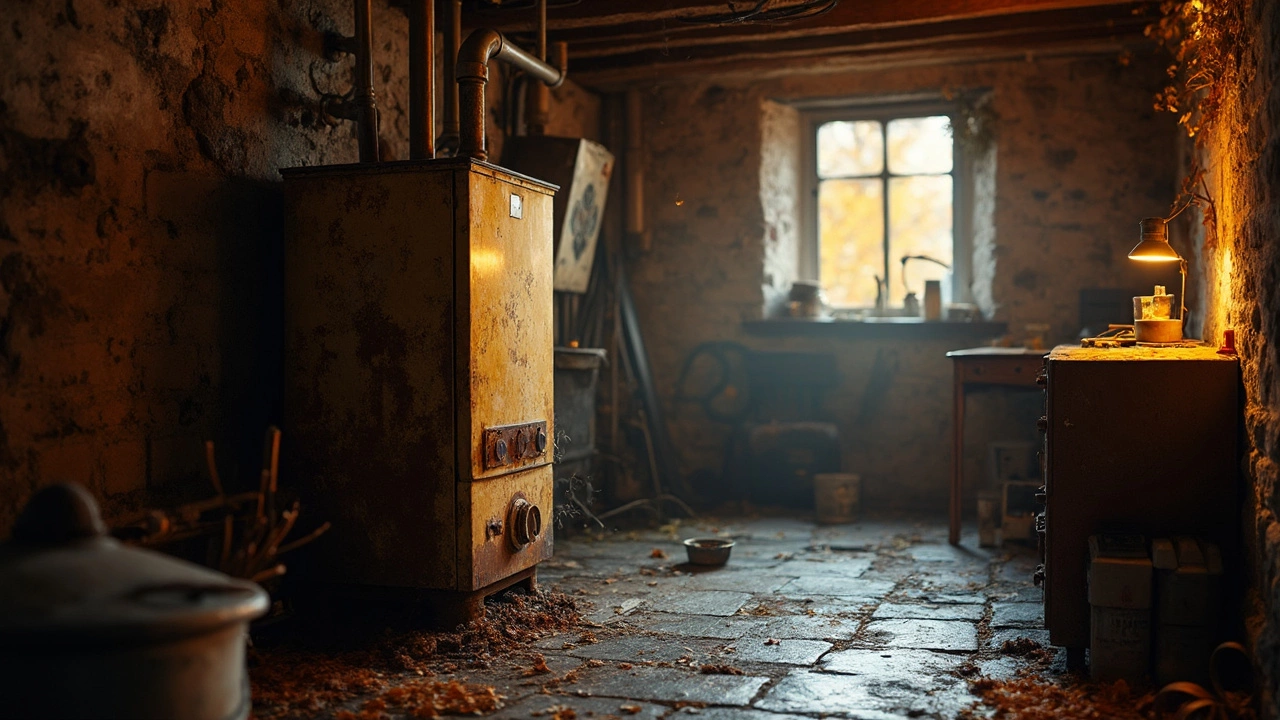
Replacing an old boiler might seem like a hassle, but when it's reaching the 15-year mark, the decision becomes crucial for efficiency and safety. This article explores whether it's time to upgrade, balancing costs, savings, and the impact on your home. From understanding energy efficiency to recognizing warning signs, we dive into everything you need to consider. With insights and practical tips, make an informed choice about your old boiler.

Learn how often to flush your water heater, why it matters, signs it's time, mistakes to avoid, and simple steps to, maintain hot water at home.

Explore the practical steps in diagnosing and fixing common issues with kitchen extractor fans. Learn about the signs your fan might need repair, and gather essential maintenance tips to extend its life. Whether you're a DIY enthusiast or considering professional help, this guide provides valuable insights for restoring your kitchen ventilation system to optimal performance. Discover how regular upkeep can prevent costly replacements.
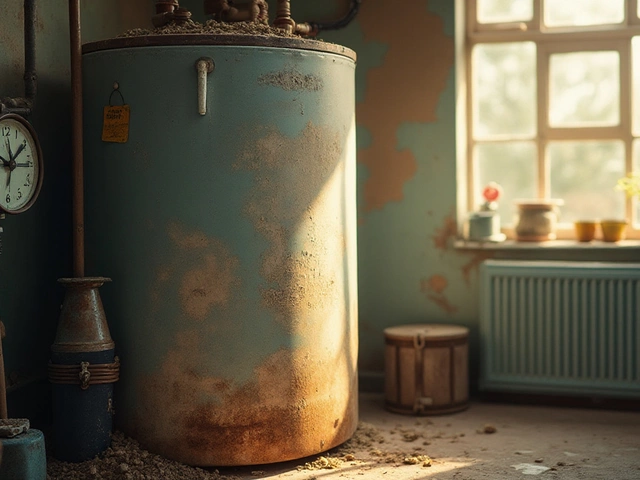
Neglecting to flush your water heater can lead to a host of issues, from inefficiency to full-blown malfunctions. Sediment buildup can decrease heating efficiency and even cause damage over time. This article explores what happens if you never flush your water heater, why regular maintenance is crucial, and how you can perform these tasks. Dive into practical advice and tips for maintaining a healthy water heating system.
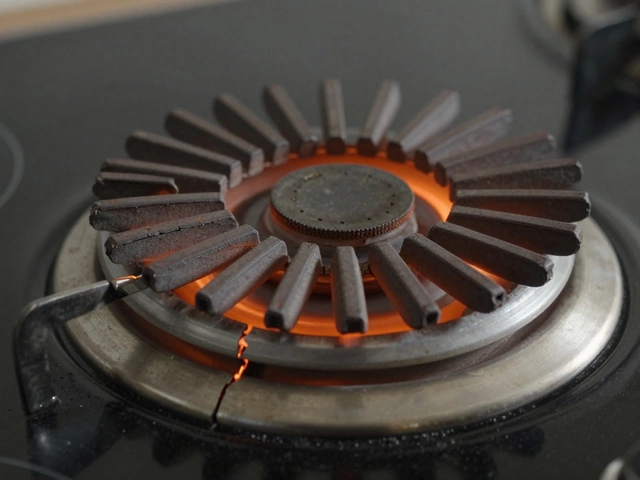
Learn how to tell if your electric stove element is bad with simple visual checks, multimeter tests, and common signs of failure. Save money by diagnosing and replacing it yourself.
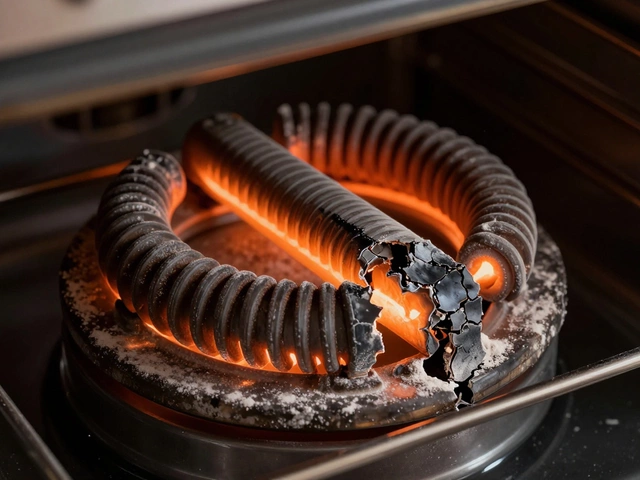
Learn how to tell if your oven element is blown by checking for visible damage, testing with a multimeter, and observing oven behavior. Most oven heating issues are simple fixes.