

When talking about energy consumption, the total amount of power used by household appliances and systems. Also known as power usage, it directly shapes appliance efficiency, how well a device converts electricity into its intended function and electricity usage, the kilowatt‑hours drawn from the grid each month. High energy consumption pushes up utility bills, the monthly cost you pay the supplier, and can shorten the lifespan of your gear. In short, energy consumption encompasses appliance efficiency, appliance efficiency requires proper maintenance, and electricity usage influences utility bills. Below we’ll break down the key drivers, common pitfalls, and easy actions you can take right now.
First, look at the biggest power hogs: refrigerators, washing machines, dryers, ovens and heating systems. Each of these devices has a rated wattage, but real‑world draw varies with age, load and settings. An old fridge with a faulty door seal may run 30% longer than a newer, well‑sealed model, inflating electricity usage without you noticing. Second, your usage habits matter. Running a washing machine on a hot cycle three times a week versus a cold eco‑cycle can add dozens of kilowatt‑hours to your bill. Third, the building’s insulation and ventilation affect how hard heating and cooling units work; poor insulation forces heat pumps to run longer, raising overall consumption. Finally, standby power is a silent culprit—TVs, routers and chargers keep drawing power even when not in use. Recognising these patterns lets you target the most wasteful spots first.
Now that you know where the energy goes, you can start cutting it. Simple steps like cleaning fridge coils, defrosting freezers, and sealing gaps around doors can boost appliance efficiency by up to 15%. Upgrading to LED lighting and using smart plugs to kill standby power also trims electricity usage. For bigger wins, consider a programmable thermostat that lowers heating output when you’re out, or a dryer sensor that stops the cycle once clothes are dry. All these measures lower your utility bills and reduce the environmental impact of your household. Below you’ll find a collection of expert guides that walk you through diagnosing common problems, fixing inefficient parts, and deciding when it’s smarter to replace an old appliance rather than keep repairing it. Dive in to get the practical tips that match your situation.
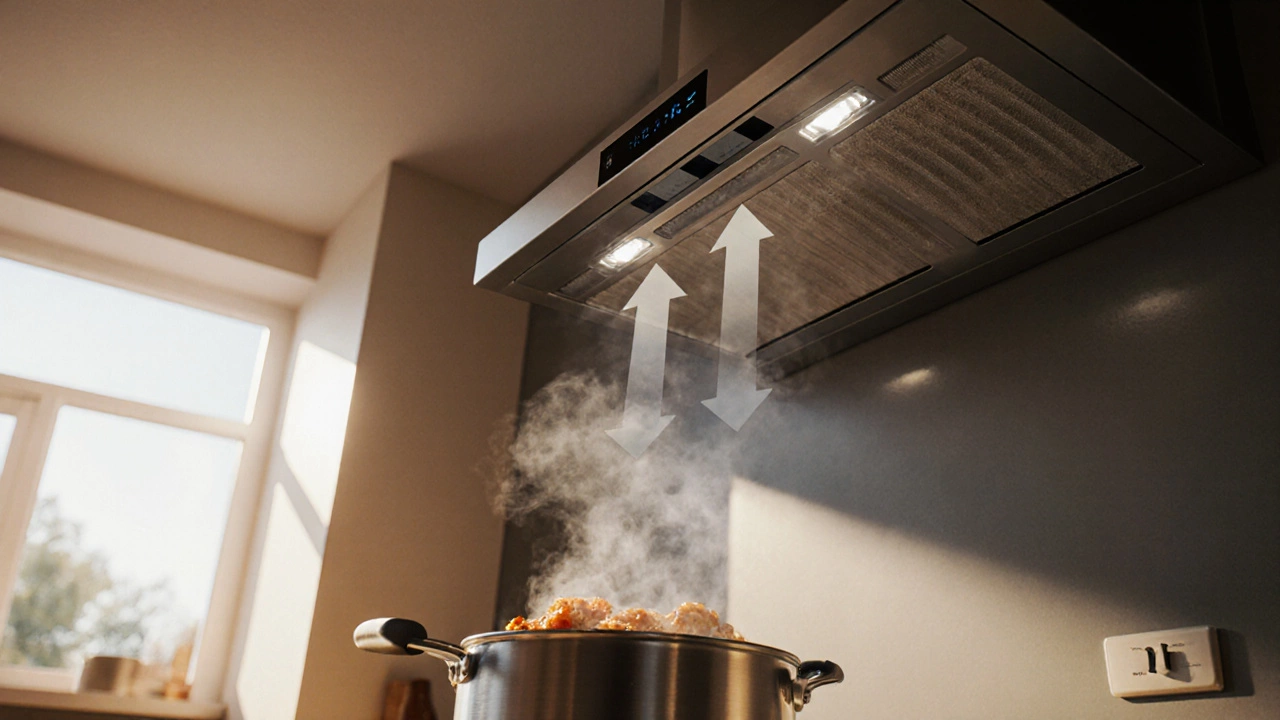
Find out if leaving your extractor fan on is safe, how much energy it uses, and the best practices to protect your home while keeping the kitchen fresh.
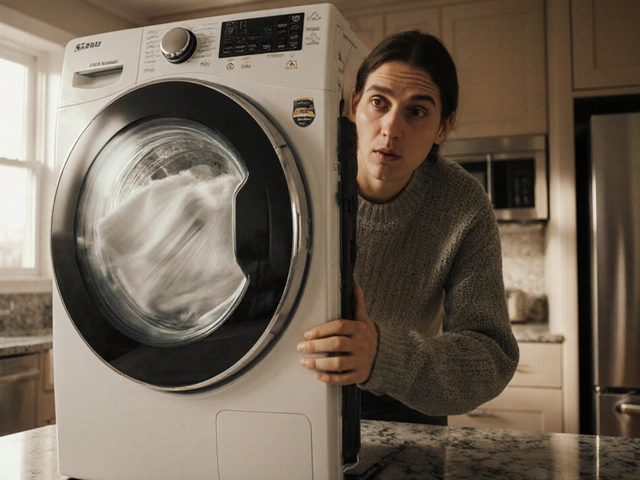
Learn why and when appliances need professional service, the signs of trouble, how often each should be checked, DIY tips, costs and when to replace.
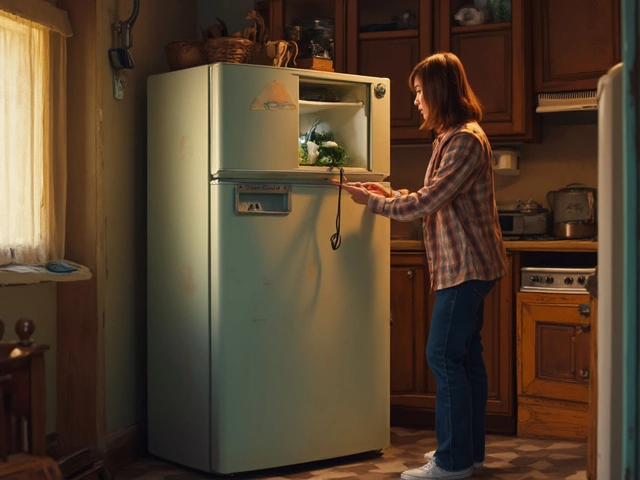
When your refrigerator suddenly stops working, it can cause quite a panic. But before calling in the repair services, there's one crucial thing you should check first: the power source. This step is often overlooked but can save you both time and money. Reliability and efficiency in troubleshooting can help bring your fridge back to life or at least determine the next best steps.
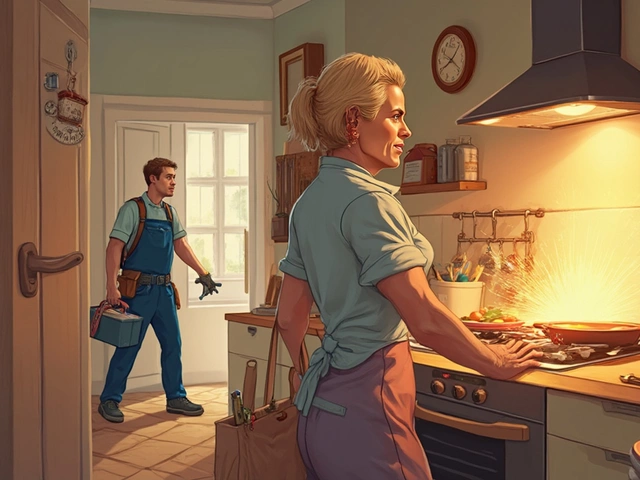
An electric hob on the fritz can leave you in a lurch, but knowing how much it costs to fix can help you prepare. We'll break down the average repair costs, consider factors like brand, parts, and labor, and help you decide if a repair or replacement makes more sense. Get the inside scoop on typical issues that might arise and how to avoid them in the future. With this guide, you'll feel more confident when talking to repair technicians and won't be caught off guard by unexpected expenses.

Wondering how long it takes to swap out an old boiler for a new one? This article spells out exactly how much time you’ll need, what really affects the timeline, and offers practical tips to speed things up. Get the full breakdown, including what you can do before installation day and how to avoid surprises. If you want your heat and hot water back fast, this guide is for you. Find out what to expect from your boiler replacement and how to stay one step ahead.
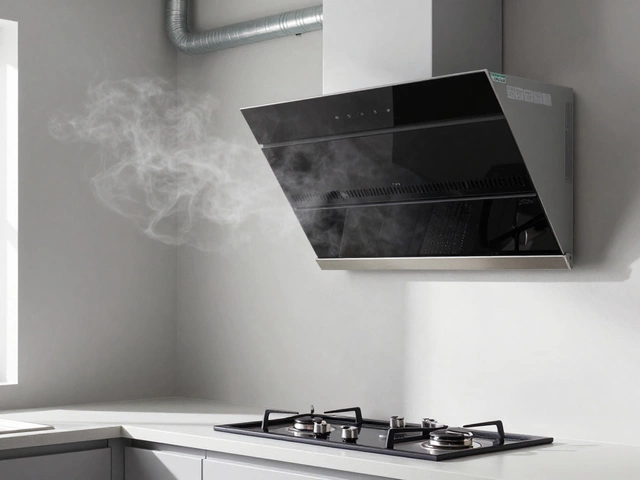
In the UK, you legally need an extractor fan in your kitchen if you have a gas hob or have done major renovations since 2006. Learn what the regulations require and why skipping it could cost you more than installing one.