

Ever look at your energy bill and wonder why it’s so high? Most of the surprise comes from the things you use every day – your fridge, washing machine, dryer, and heating system. When these appliances slip out of shape, they work harder and gulp more power. The good news? A few easy habits and quick fixes can pull the plug on wasteful energy use and keep your wallet happy.
Older or poorly maintained appliances lose efficiency fast. A fridge with a dusty condenser coil has to run longer to stay cold, and a washer that’s out of balance vibrates more, pulling extra electricity. Even a heating system that’s clogged with debris will overheat the room, forcing the thermostat to cycle constantly. These hidden inefficiencies add up, especially during winter when heating and hot water run nonstop.
Another big factor is mis‑use. Running a dishwasher half‑empty, baking at a high temperature for a short time, or setting the dryer on a hot cycle for a light load all waste energy. Knowing the right settings for each job can shave off minutes of run‑time and cut the kilowatt‑hours you pay for.
Start with a simple cleaning routine. Every six months, pull the fridge’s back panel and vacuum the coil – it takes ten minutes and can boost efficiency by up to 15%. For ovens and stovetops, wipe away spills before they burn onto the surface; a clean heating element uses less power.
Check hoses and seals. If the washing machine’s door seal is cracked, hot water leaks out and the machine works harder. Replace the rubber seal – it’s cheap and stops energy loss. Likewise, a dryer lint screen that’s clogged forces the dryer to overheat; clean the screen after every load.
Don’t ignore strange noises. A humming fridge, a rattling dishwasher, or a thumping heat pump usually signals a worn‑out part. Catching the problem early means you can replace a cheap component instead of paying for a full‑service call later.
If an appliance is more than ten years old, compare repair costs to a new, energy‑star model. Modern units use up to 30% less electricity, so even a modest upfront cost can pay for itself in lower bills.
Finally, schedule a professional check‑up for heating systems and heat pumps at least once a year. Technicians can flush radiators, clear filters, and test pressure levels – all tasks that keep the system running smooth and efficient.
Putting these steps into practice doesn’t require a massive time investment. Spend a few minutes each month on the tasks above, and you’ll see a steady drop in your energy bill. Your appliances stay in shape, your home stays comfortable, and you keep more cash in your pocket.

Thinking about ditching your gas appliances? This article breaks down the real pros and cons of keeping or replacing things like your gas stove, water heater, or furnace. Learn how safety, repair costs, and future-proofing your home play into this decision. There are lots of myths out there and we’ll sort out the facts. You'll also pick up practical tips on making the best choice for your budget and home. Let's cut through the noise and find out what really matters for your gas appliances.

Ever wondered who foots the bill for boiler service in your home? This article delves into the responsibilities of homeowners and landlords when it comes to boiler maintenance. It offers practical tips for navigating service agreements and highlights some surprising facts about cost-savings that effective maintenance can offer. Discover insights and advice on ensuring your boiler runs smoothly without burning a hole in your wallet.

When your fridge stops cooling, it can be a real worry, especially with all that food at risk. Before you call the repairman, there are a few steps you can try yourself to bring your refrigerator back to life. From checking the thermostat settings to cleaning coils and examining door seals, you might find that a simple DIY fix does wonders. Understanding how these appliances work can also help prevent future hassles. This guide will walk you through the essential tips and tricks to get your fridge cooling again.
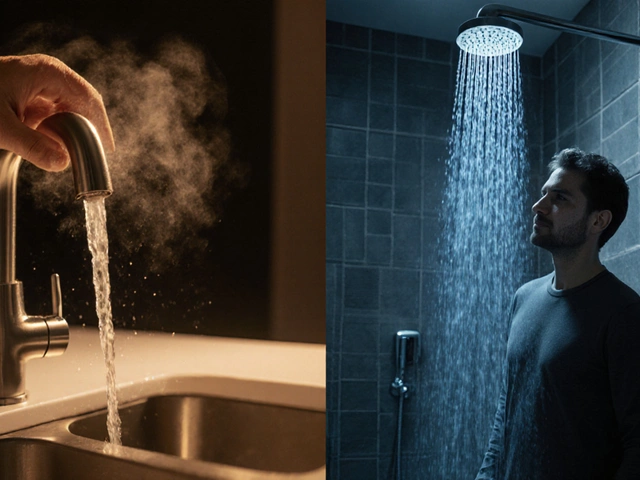
Discover why hot water reaches your sink but not the shower, learn the common causes, DIY fixes, and when to call a plumber for a reliable solution.
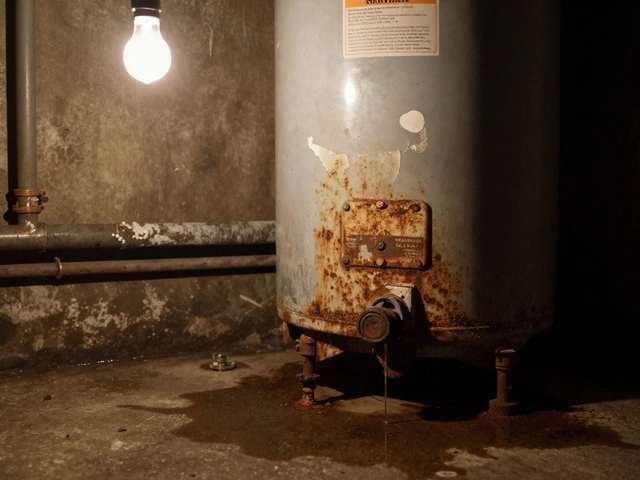
A 20-year-old water heater is likely inefficient, unsafe, and prone to sudden failure. Repairing it may seem cheaper, but replacement saves money, energy, and prevents costly water damage. Here’s what you need to know before deciding.
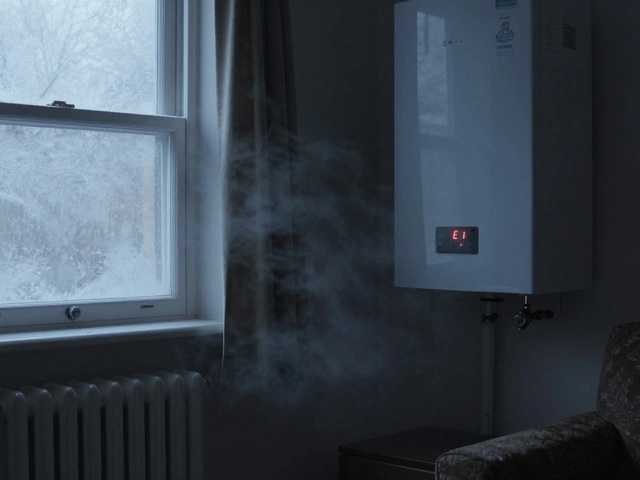
Learn the 7 clear signs your boiler is broken, from cold radiators to strange noises and gas smells. Know when to repair and when to replace before winter hits.