

If an appliance stops heating, clicks, or won’t turn on, it’s usually an electrical issue. Most homeowners can spot the easy problems and fix them without a callout. Below we break down the most common faults, quick DIY steps, and the signs that tell you to call a qualified technician.
1. Blown fuses or tripped breakers. Check your consumer unit first. Reset any tripped switch and watch for a repeat trip – that signals a deeper fault.
2. Loose power cords. A frayed or partially unplugged cord is a frequent cause of intermittent power. Unplug the appliance, inspect the cord, and replace it if the insulation is damaged.
3. Faulty heating elements. Electric ovens, hobs, and dryers all rely on a heating element. When an oven won’t heat, a quick continuity test with a multimeter will show if the element is broken. Replace it following the manufacturer’s instructions – most kits come with the exact part number.
4. Defective switches or knobs. Stuck or worn-out knobs on a cooker or washing machine can stop power flow. Remove the control panel, test the switch, and swap it if needed.
5. Bad thermostat or sensor. Many appliances use a thermostat to regulate temperature. If a fridge stays warm or a dryer runs forever, the thermostat may be at fault. Test the resistance and replace the unit if readings are out of spec.
6. Dirty or corroded connections. Over time, moisture can corrode terminal blocks inside a dishwasher or extractor fan. Open the unit, clean the contacts with a brush, and re‑tighten the screws.
7. Resettable safety devices. Some ovens have a thermal fuse that trips when it overheats. Locate the fuse, let the appliance cool, then test for continuity. If it’s blown, replace it – many shops stock the exact model.
If you’ve tried the steps above and the appliance still misbehaves, stop the DIY and call a professional. Here are the red flags:
• Repeated breaker trips or blown fuses – this could indicate a wiring fault that needs a certified electrician.
• Burning smells, sparks, or smoke – any sign of a short circuit is dangerous and must be addressed instantly.
• Complex control boards or digital displays – modern appliances use sealed electronics that require specialist tools.
• Gas‑related appliances with electrical components – safety regulations demand a Gas Safe engineer for any gas work.
At Bognor Regis Appliance Repair Experts, we handle all types of electrical repairs. Our technicians are trained to work on washing machines, ovens, hobs, extractors, and heat pumps. We diagnose the fault, give a clear quote, and fix the problem fast, so you’re not left without hot water or a working fridge.
Why choose us?
• Same‑day service for urgent breakdowns.
• Transparent pricing – no hidden fees.
• Fully insured work, giving you peace of mind.
Remember, safety comes first. Always unplug an appliance before inspecting internal parts, and never attempt repairs on gas‑connected devices unless you’re a qualified professional. When in doubt, give us a call – we’ll get your home back to normal without guesswork.
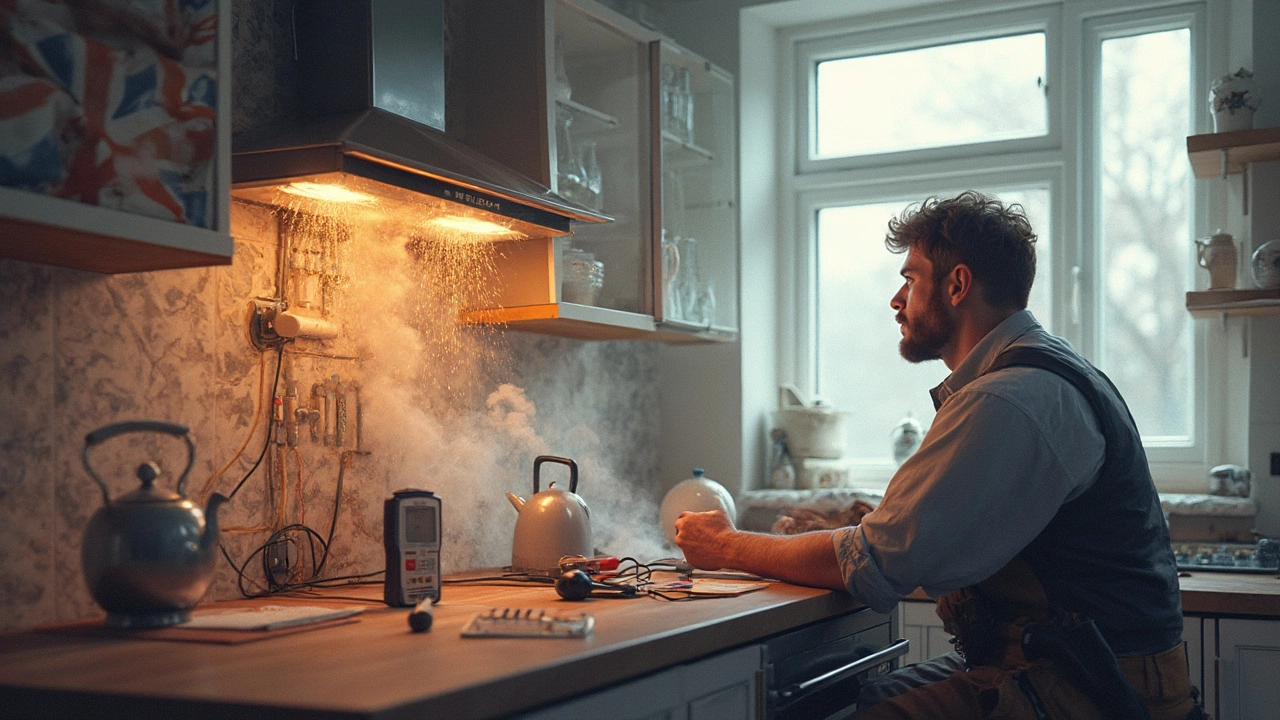
Extractor fans are essential for maintaining good air quality in homes, but what happens when they break down? This article explores whether electricians are the right professionals to fix extractor fans, the typical issues these fans encounter, and some maintenance tips to avoid frequent repairs. Learn about the repair process and when it might be time to replace your fan altogether.
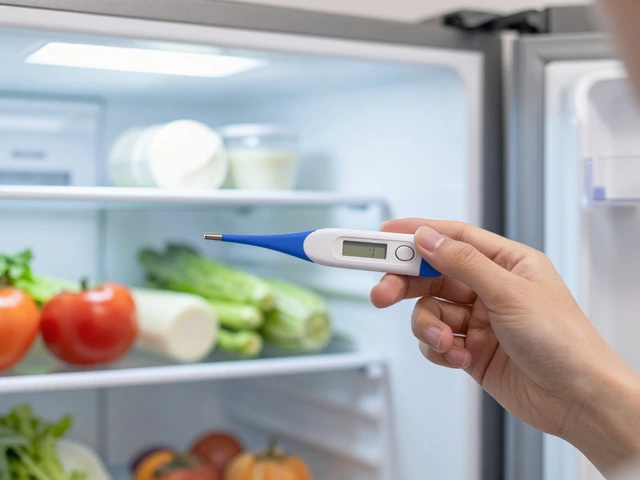
Is your fridge compressor dead? Learn how to diagnose compressor failure with simple heat, sound, and temperature tests. Save money on repairs by identifying the real issue.

A puzzling situation arises when your shower lacks hot water while the sink heats perfectly fine. This article dives into possible reasons like different pipe routes, shower valve issues, and water heater capacity. It also offers practical solutions, such as checking the temperature settings and flushing the water heater to remove sediment. Understanding common plumbing malfunctions can lead to quick fixes without calling a professional.
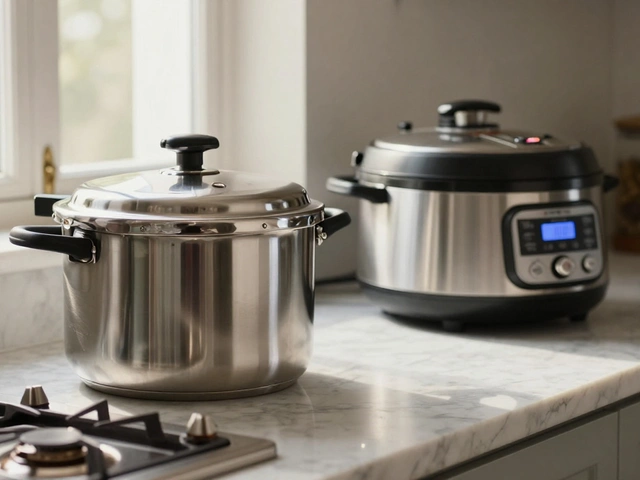
Discover how long pressure cookers last, comparing stovetop vs electric models. Learn signs of wear, repair options, and maintenance tips to extend lifespan safely.

Ready to buy a new dishwasher? Check this guide for 2025's most unreliable dishwasher brands, stories you won't believe, and tested buying tips no one else will give you.
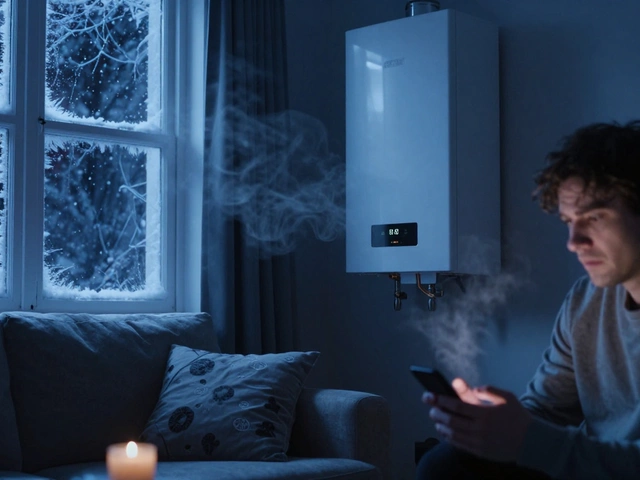
Discover who legally fixes boilers in the UK. Learn why you need a Gas Safe registered engineer, not just a plumber, and understand the qualifications, costs, and safety checks involved in boiler repair.