

When working with electric water heater reset, the act of clearing the high‑limit safety switch on an electrically powered hot‑water tank. Also called heater reset button, it restores hot water after the unit detects an over‑temperature condition.
electric water heater reset is often the first step before calling a professional, but you still need to know why it trips and what to check afterward.
The reset button works hand‑in‑hand with the high limit switch, a safety device that cuts power when the water gets too hot. When the switch opens, the heater stops heating and the reset lamp flashes. Pressing the button simply rewires the circuit, but it won’t stay engaged if the underlying issue persists. Another crucial component is the thermostat, the sensor that tells the heater when to start and stop heating. A faulty thermostat can send the wrong temperature reading, causing the high limit switch to trip repeatedly. Finally, the temperature sensor, often a bimetallic strip inside the tank works together with the thermostat to regulate heat. Understanding how these parts interact forms the basis of safe troubleshooting.
Semantic connections are simple: an electric water heater reset encompasses clearing the high limit switch; the reset process requires checking the thermostat; frequent resets influence the lifespan of the water heater. If any of these parts are misbehaving, the reset will only be a temporary fix, and the unit may keep tripping, which can wear out the heating elements faster.
Common reasons for a reset to pop include sediment buildup at the bottom of the tank, a failing heating element, or a broken dip tube that blocks proper water flow. Sediment acts like insulation, making the water stay hotter than the sensor expects, which forces the high limit switch to shut down. A defective heating element can overheat localized spots, again tripping the safety switch. When the dip tube cracks, cold water bypasses the heating chamber, causing temperature spikes that the thermostat misreads. Regular flushing of the tank removes sediment, while visual inspection of the element with a multimeter can confirm its health. Replacing a broken dip tube is inexpensive and often restores normal operation.
Maintenance habits matter. Flushing the tank once a year, testing the reset button after each flush, and keeping the power supply stable reduce the chance of random trips. If you notice the reset lamp blinking more than twice in a week, it’s a sign that the high limit switch may be wearing out and needs replacement. Also, verify that the circuit breaker isn’t tripping; a loose connection can mimic a heater fault. When in doubt, shutting off power, letting the tank cool, and consulting the user manual’s reset procedure protects you from electric shock.
Below you’ll find a curated list of articles that dig deeper into each of these topics – from step‑by‑step reset instructions to signs a water heater is failing and when to call an expert. Browse the collection to get the exact fix you need, whether it’s a quick DIY reset or a full‑scale repair.
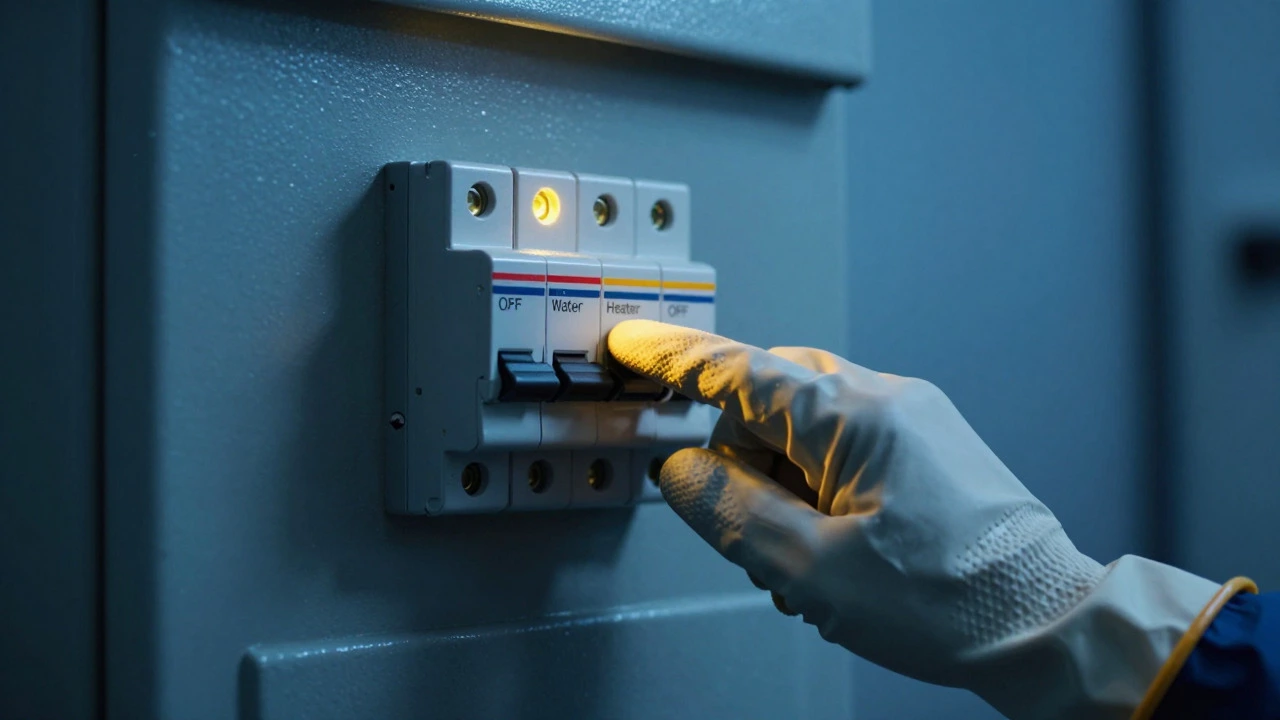
Learn if you need to turn off the breaker to reset a water heater. Step-by-step safety guide for electric and gas models, troubleshooting tips, and when to call a pro.
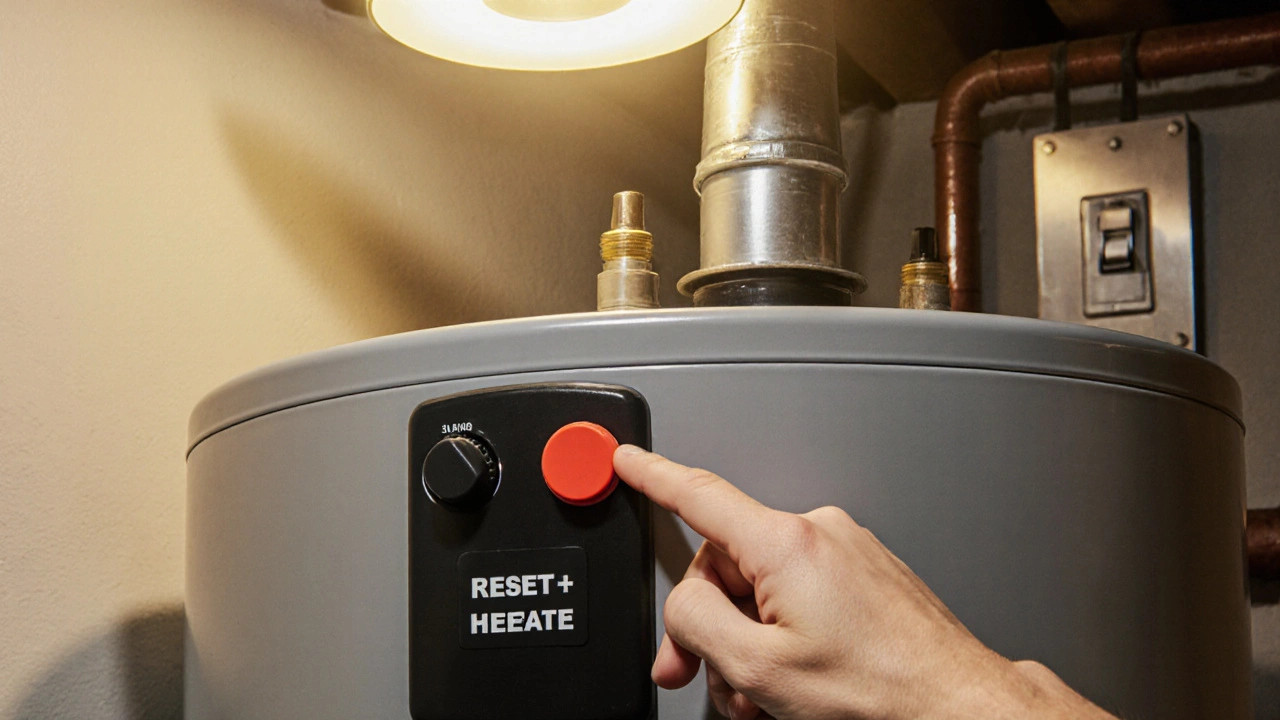
Learn how to safely reset both electric and gas hot water heaters, troubleshoot common issues, and know when to call a professional.
Replacing a boiler can seem like a daunting task, but knowing what to expect can make the process easier. Typically, boiler replacement involves several steps including removing the old unit, choosing the right size and type for your home, and ensuring proper installation. Skilled professionals often make the experience smoother by handling the technical aspects and minimizing disruption. Preparation and understanding of the process can help homeowners tackle this job with confidence.

If your cooker suddenly stopped working, it might be due to a range of reasons from electrical issues to simple user errors. Understanding the root cause is key to fixing the problem efficiently. In this article, we explore common reasons why cookers fail and offer practical troubleshooting tips to get your appliance working again. From checking the power supply to examining electrical components, we cover it all. Get your cooker back up and running with our straightforward guide.
Discover how long pressure cookers last, comparing stovetop vs electric models. Learn signs of wear, repair options, and maintenance tips to extend lifespan safely.
Is it possible for a hot water heater to last 30 years? Here’s a detailed look at what determines water heater longevity, what rare cases look like, and how you can extend your heater’s life with smart habits.

Navigating the cost of a new boiler can be confusing. This guide dives into typical pricing, key considerations for your budget, and how to make the best decision for your home. We'll explore average costs, the impact of brands and models, and provide tips for saving money. Get the information you need to keep your home warm without breaking the bank.