

If your electric stove suddenly stops heating, you’re probably wondering what went wrong and if you can sort it yourself. The good news is that most faults are simple enough to diagnose and repair without calling a technician. In this guide we’ll walk through the usual suspects, show you step‑by‑step fixes for hobs and ovens, and tell you when it’s smarter to call the experts.
Electric stoves rely on a few key parts: heating elements, thermostats, switches, and the wiring that connects everything. A blown fuse, a tripped circuit breaker, or a loose plug can make the whole unit look dead. More often the problem lies in a faulty element – the metal coil that gets hot when power hits it. Elements can crack, burn out, or develop a loose connection over time, especially if you use the stove heavily.
Thermostats and temperature sensors are another frequent cause. If the sensor sends the wrong signal, the stove may think it’s already hot and shut off the element. This usually shows up as an oven that never reaches the set temperature or a hob that flickers on and off. Finally, worn‑out switches or a bad control board can interrupt power flow, leaving you with a stove that looks fine but won’t heat.
Before you grab a screwdriver, always turn off the power at the breaker. Safety first! For a hob element, remove the top panel (usually held by a few screws), locate the faulty burner, and unscrew the element leads. Take the old element to a local hardware store – they’ll match the part number for you. Install the new element by reversing the steps, reconnect the leads, and tighten the panel back in place. Test each burner individually to confirm they work.
Oven element replacement follows a similar pattern. Take out the oven racks, locate the two screws that hold the element to the oven wall, and remove the old piece. Disconnect the wires (note which is positive and negative), fit the new element, reconnect the wires, and screw it back in. A quick turn‑on of the oven will let you see if the new element heats up evenly.
If the problem seems to be the thermostat or sensor, you’ll need a multimeter. Set it to measure resistance, and compare the reading to the manufacturer’s specs (usually listed in the service manual). A reading far outside the range indicates a bad sensor, which you can replace the same way you swap an element. Replace the sensor and re‑test the oven.
When the stove still won’t heat after checking the elements and sensors, the issue is likely wiring or the control board. At this point, it’s wise to call a qualified electrician or a professional appliance repair service. Trying to fix high‑voltage wiring without proper training can be dangerous.
To keep your electric stove running smoothly, give it a quick visual check every few months. Look for cracked or blackened elements, make sure the knobs turn freely, and wipe away any food spills that could cause overheating. A clean stove not only lasts longer but also works more efficiently, saving you a few pounds on your electricity bill.
Bottom line: most electric stove problems boil down to an element, a sensor, or a simple power issue. With a few tools – a screwdriver, a multimeter, and the right replacement part – you can fix many faults yourself. If you ever feel unsure, don’t hesitate to reach out to a local repair expert who knows the ins and outs of Bognor Regis appliances.

Spotting the two most common electric stove problems can make repairs easier. Learn how to catch signs like faulty burners and control issues with clear, helpful steps.

Extractor fans are crucial for maintaining fresh air and reducing humidity in various parts of a home. When these fans malfunction, it's important to know who to call for repairs. This article guides homeowners on how to find reliable extractor fan repair services. We'll look at why professional help is essential and what to consider when selecting a repair technician.
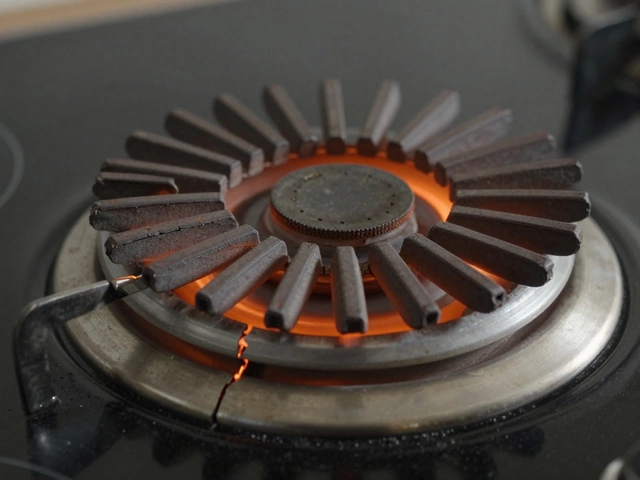
Learn how to tell if your electric stove element is bad with simple visual checks, multimeter tests, and common signs of failure. Save money by diagnosing and replacing it yourself.
Find out when repairing your dryer isn’t the smart move. Learn real signs, safety warnings, and how to choose between fixing and just getting a new one.
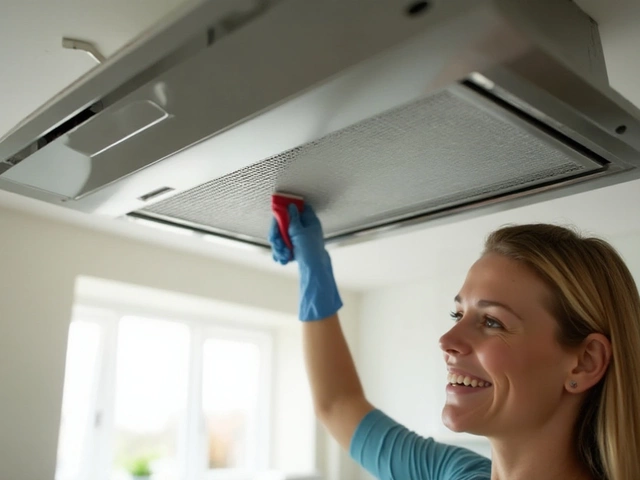
Routine maintenance of extractor fans is crucial to maintaining indoor air quality and ensuring the efficient operation of these ventilation systems. This article explores why servicing extractor fans is important, providing insight into potential problems that may arise if overlooked. Learn how regular upkeep can prevent costly repairs and improve the lifespan of your equipment. Discover practical tips and a step-by-step guide on how to ensure your extractor fan is operating at its best. Keep your home fresh and healthy by understanding the significance of extractor fan servicing.

Find out exactly how much laptop repair costs in the UK in 2026. Learn the 50% rule for deciding when to fix or replace your device, average prices for screens, batteries, and motherboards, and tips to avoid overpaying.