

If your electric oven isn’t heating, you’re not alone. Most homeowners face a cold oven at some point, and the cause is often something you can spot and fix without a big invoice. Below we’ll walk through the usual culprits, simple DIY steps, and clear signs it’s time to call in a professional.
The first thing to check is the heating element. Over time it can crack, burn out, or get covered in food debris. A quick visual inspection—look for any visible breaks or dark spots—can tell you if it needs replacing. If the element looks intact, the next suspect is the oven thermostat. A faulty thermostat can tell the control board that the oven is already at the right temperature, so it never turns the element on.
Another common issue is a tripped circuit breaker or a blown fuse. Many ovens share a dedicated circuit, and a sudden surge can shut everything down. Reset the breaker and see if the oven powers up. If you still get a dead display, the problem may lie in the oven’s wiring or the control board itself; those are best handled by a qualified technician.
Replacing a heating element is usually a straightforward job. First, unplug the oven or switch off the circuit. Remove the rear panel—most models have a few screws holding it in place. Pull the old element out, note how the wires connect, and attach them to the new part in the same way. Snap the new element back into the oven cavity and reassemble the panel. You should have a fully functional oven in under an hour.
If the thermostat seems off, you can test it with a multimeter. Set the meter to the ohms setting and check the resistance as the thermostat heats up. A steady rise in resistance means the thermostat is working; a flat line indicates it’s dead and needs replacement. Again, make sure the power is off before you touch any wires.
For broken oven doors or cracked glass, most manufacturers sell replacement doors that fit directly onto the existing hinges. Removing the old door usually involves loosening a couple of screws, sliding the door off the hinges, and snapping the new one in place. Tighten the screws, and you’re good to go.
While DIY can save money, there are clear red flags that call for a professional. If you notice a burning smell, see sparks, or the oven makes strange noises, stop immediately. Electrical problems can be hazardous, and you’ll want a certified Bognor Regis Appliance Repair Expert to diagnose and fix the issue safely.
Our team knows the ins and outs of electric ovens, from high‑end models to everyday brands. We can quickly replace heating elements, repair control boards, and restore your oven’s performance without unnecessary delays. Plus, we provide a 12‑month warranty on most repairs, giving you peace of mind.Whether you prefer a quick DIY fix or want the certainty of a professional repair, understanding the common problems helps you make the right choice. Keep this guide handy, and the next time your oven won’t heat, you’ll know exactly what to do next.

Electric ovens are handy, but they're not immune to problems. This article breaks down the most common faults people face, from ovens not heating properly to strange noises and error codes. You’ll get real tips on troubleshooting and signs when it’s time to call in the pros. Save time (and maybe some frustration) by knowing what to look out for. Find out why your oven might let you down and how to deal with it.
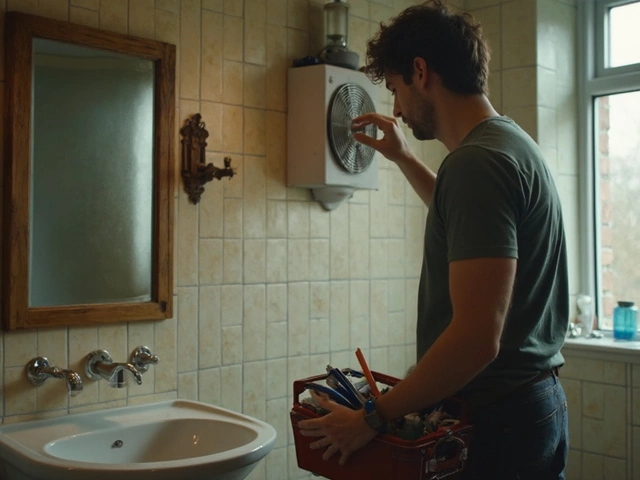
Thinking about swapping out your old extractor fan? This guide digs into how easy (or not) it really is to replace an extractor fan in your bathroom or kitchen. Get the lowdown on what tools you'll need, common surprises people miss, and what makes some fans trickier than others. If you're not sure when to call in a pro, we've got your back there, too. Get ready for a clear, no-nonsense breakdown.
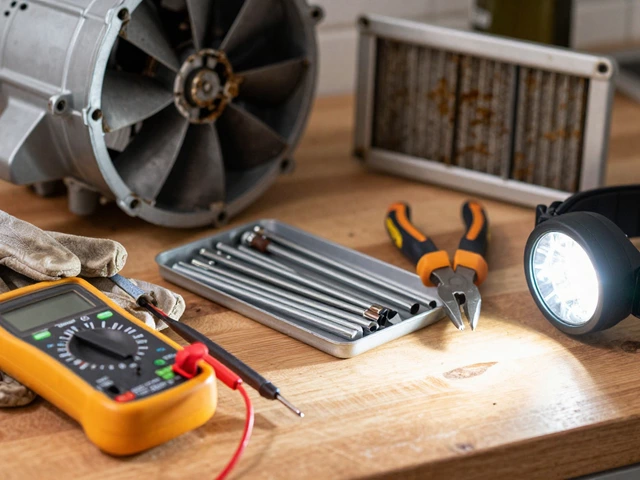
Learn how to replace a kitchen extractor fan motor safely. This step-by-step guide covers diagnosis, tool preparation, removal, and installation tips for DIY enthusiasts.
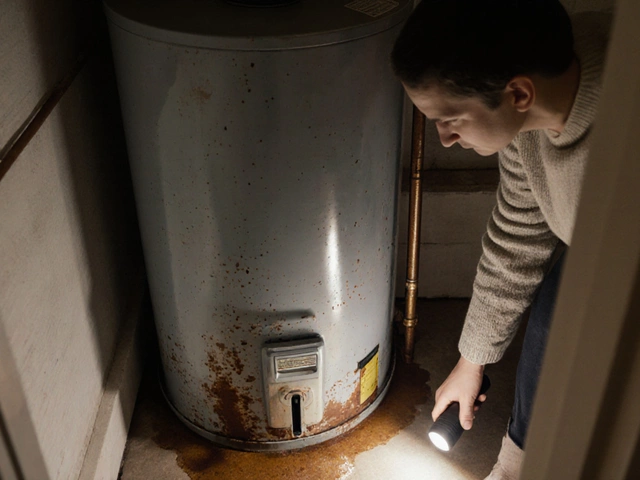
Find out if fixing a 20‑year‑old water heater makes sense. Compare repair costs, energy loss, and replacement price to decide the best move for your home.

Trying to figure out if you need a ventilation fan or an extractor fan? This article breaks down the differences between the two, explains how each one works, and shares tips for choosing and maintaining the right fan for your home. You’ll also pick up advice on recognizing issues, making easy repairs, and knowing when it's time to replace. If you’ve got problems with humidity, bad smells, or stuffy air, this guide is for you.
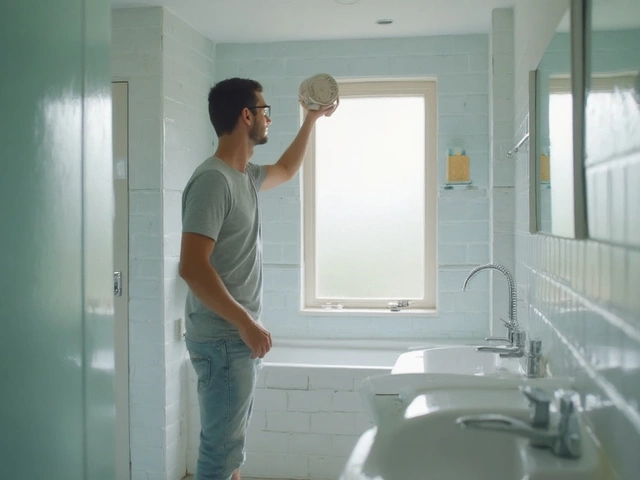
Nobody wants to deal with a stuffy bathroom or smoky kitchen, but if your extractor fan isn’t working, that’s exactly what you’ll get. This article shows you how to check if your extractor fan is doing its job or just taking up space. From simple power checks to quick airflow tests, you’ll learn hands-on methods anyone can use—no tech wizardry needed. Expect practical tips, a couple of helpful tricks, and signs that tell you when it’s time to call an expert. Don’t let stale air hang around: let’s figure out what your fan is up to.