

Ever wondered why a few minutes of extra caution can save you a costly fire or a nasty shock? Your electric oven is a great tool, but like any high‑heat appliance it needs some basic rules to stay safe. Below are the most useful habits you can start today.
First thing, always give the oven a quick visual check. Look for cracked doors, frayed cords, or any burnt marks inside. If the door seal is damaged, heat can escape and cause the surrounding cabinets to overheat. A loose plug or a cord that feels hot to the touch is a red flag – don’t use it until a qualified electrician has inspected it.
While you’re at it, make sure the oven is clean. Food spills can turn into fire hazards when they bake onto the heating elements. A simple wipe‑down with a damp cloth after each use keeps the interior free of grease and crumbs. If you notice built‑up grime, let the oven cool completely, then scrub gently with a non‑abrasive cleaner.
Never leave an electric oven unattended. If you’re stepping out for a quick phone call, turn the oven off. It only takes a few seconds to shut it down, and that tiny pause can stop a potential fire from spreading.
Use oven mitts that are heat‑resistant and dry. Wet mitts can conduct electricity and cause burns. When you need to move a tray, place it on a sturdy, heat‑proof surface – never on a plastic cutting board or a thin metal tray that can warp under high heat.
Keep flammable items away from the oven. Towels, paper bags, and even wooden spoons should stay clear of the door and the ventilation slots. Even a small piece of paper can ignite if it slips behind the door seal and touches the heating element.
If you spot smoke, turn the oven off immediately and open a window. Use a fire blanket or a lid to smother a small flame – never pour water on an electrical fire. For bigger fires, evacuate the house and call the fire service.
Regular maintenance goes a long way. Schedule a professional check‑up at least once a year. Technicians will test the thermostat, inspect the wiring, and tighten any loose connections. A well‑maintained oven runs cooler and is less likely to develop electrical faults.
Finally, teach everyone in the household the basics. Kids should know not to touch the oven knobs or the interior when it’s hot. A quick reminder about keeping handles turned to the “off” position can prevent accidental heating.
By following these simple electric oven safety tips, you’ll enjoy cooking without worrying about accidents. A few minutes of checking, cleaning, and staying present while cooking can keep your kitchen safe and your oven in great shape for years to come.

Leaving an electric oven on overnight sounds harmless, but it could spell real trouble. Learn the risks, facts, and safer options for your late-night cooking needs.
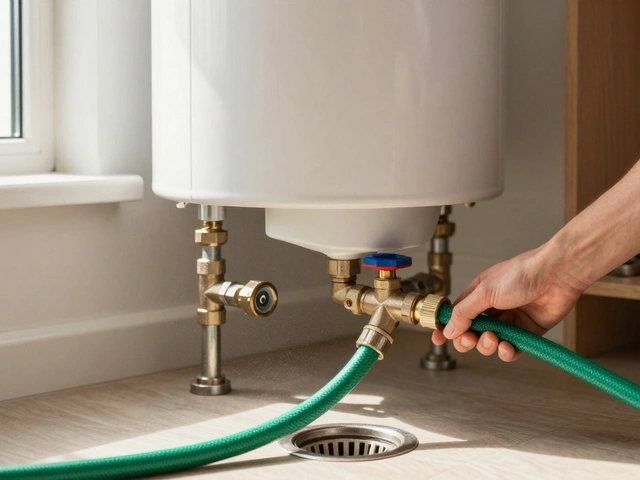
Learn essential water heater maintenance tasks like flushing sediment, checking the anode rod, and testing safety valves to extend lifespan and improve efficiency.

Boilers, integral to any home heating system, don't last forever. Understanding their lifespan can help you plan timely maintenance and replacements to ensure efficient heating. In this article, we explore how long you can expect your boiler to serve you, what affects its longevity, and how regular care can make a difference. By understanding these aspects, homeowners can make informed decisions regarding their heating needs and avoid unexpected failures.
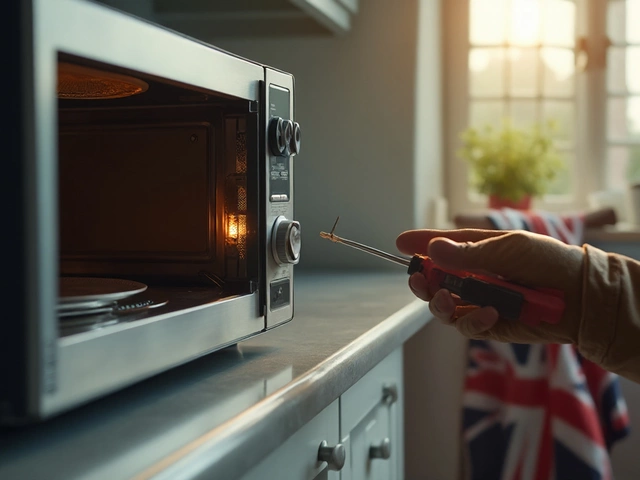
Learn fast how to spot a blown microwave fuse, test it safely, and replace it yourself. Step‑by‑step instructions, tools needed, and common pitfalls covered.

Repairing a glass hob is an essential task for maintaining a functional and modern kitchen. The cost of fixing a glass hob can vary greatly depending on the damage's severity and the required repair type. This article delves into the various factors influencing repair costs, from crack treatment to replacement solutions. It also provides tips for maintenance to prolong the lifespan of your hob and prevent future damage.

Boiler servicing is an essential aspect of home maintenance that ensures safety and efficiency. While it might seem tempting for homeowners to attempt servicing their own boilers, it's crucial to understand the complexities and risks involved. This article explores whether boiler maintenance can be a DIY project, providing key tips and insights. It offers guidance on what aspects are safe to handle on your own and when to call in a professional.