

If your oven takes forever to heat up or refuses to warm at all, the heating element is probably the culprit. A broken element is one of the most common oven issues and, good news, you can replace it without calling a pro. In this guide we’ll walk you through spotting a bad element, gathering the right tools, and swapping it out safely.
The first sign is uneven or missing heat. Turn the oven on to a moderate temperature and watch the element glow. If it stays dark, flickers, or makes a buzzing noise, it’s likely failed. You might also notice a burning smell or see visible cracks on the metal coil.
Another clue is a sudden power outage after the oven has been running. When the thermostat trips, the element can overheat and burn out. If you’ve had to reset the oven’s breaker more than once, the element deserves a closer look.
Tools you’ll need: screwdriver set, nut driver, new oven element (match make and voltage), work gloves, and a flashlight. Most elements are inexpensive and come with a warranty, so grab the exact model for your Bognor Regis Appliance Repair Experts‑approved oven.
1. Unplug the oven. Safety first – disconnect the power at the wall or pull the fuse.
2. Remove the oven racks. This gives you clear access to the bottom of the element.
3. Locate the element screws. Usually there are two or three screws at each end. Use the screwdriver or nut driver to loosen them.
4. Detach the wiring. Most ovens have a clip or a plug. Press the release tab and pull the connector off gently.
5. Take out the old element. Slide it out of its housing and set it aside.
6. Insert the new element. Align the holes, push it into place, and re‑secure the screws.
7. Reconnect the wires. Snap the plug back in, making sure it clicks firmly.
8. Test the oven. Plug it back in, set a low temperature, and watch the new element glow. If it heats evenly, you’ve succeeded.
Remember to wear gloves to avoid burns, and never force a screw – a stripped thread can damage the oven’s interior.
After the swap, keep an eye on the oven for a few cycles. If you notice any flickering or the oven still won’t heat, the issue might be with the thermostat or wiring, and it’s time to call a qualified technician.
Replacing an electric oven element is one of the quickest ways to extend the life of your appliance. With the right tools and a bit of patience, you’ll save money and get back to cooking in no time.
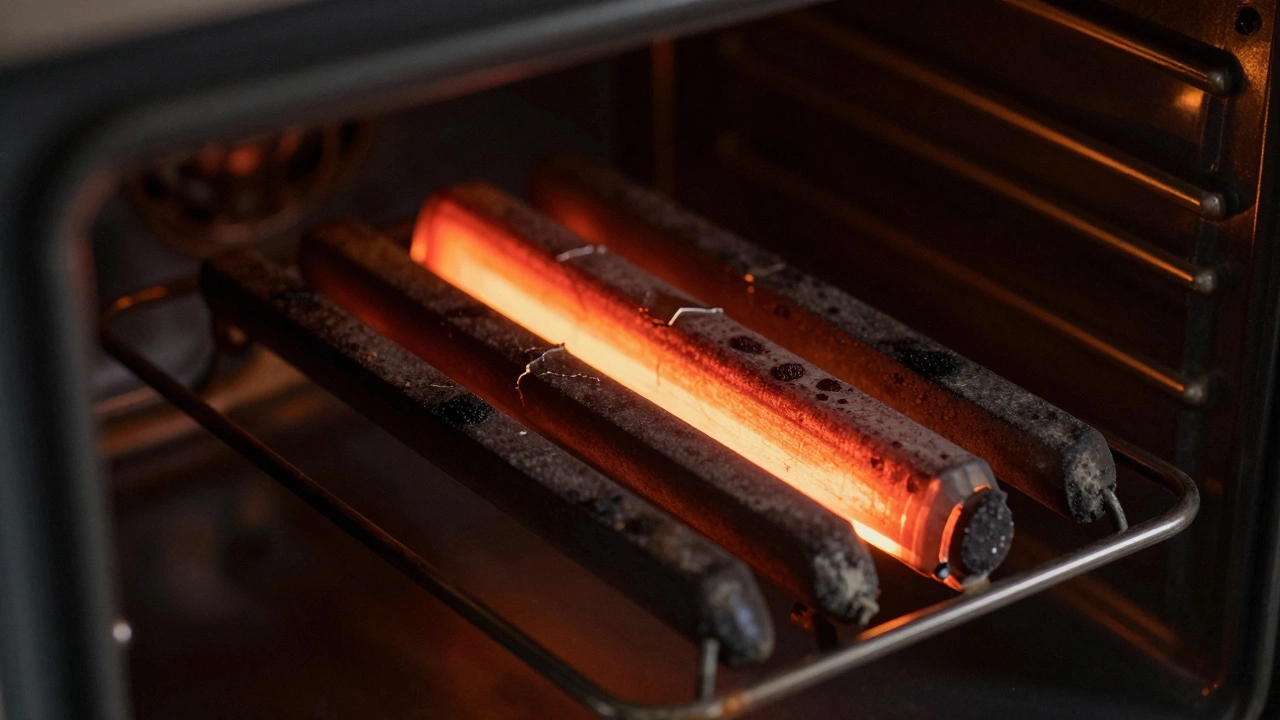
Learn how to tell if your electric oven element is bad with simple visual checks and a multimeter test. Save time and money by diagnosing the issue yourself before calling a repair technician.
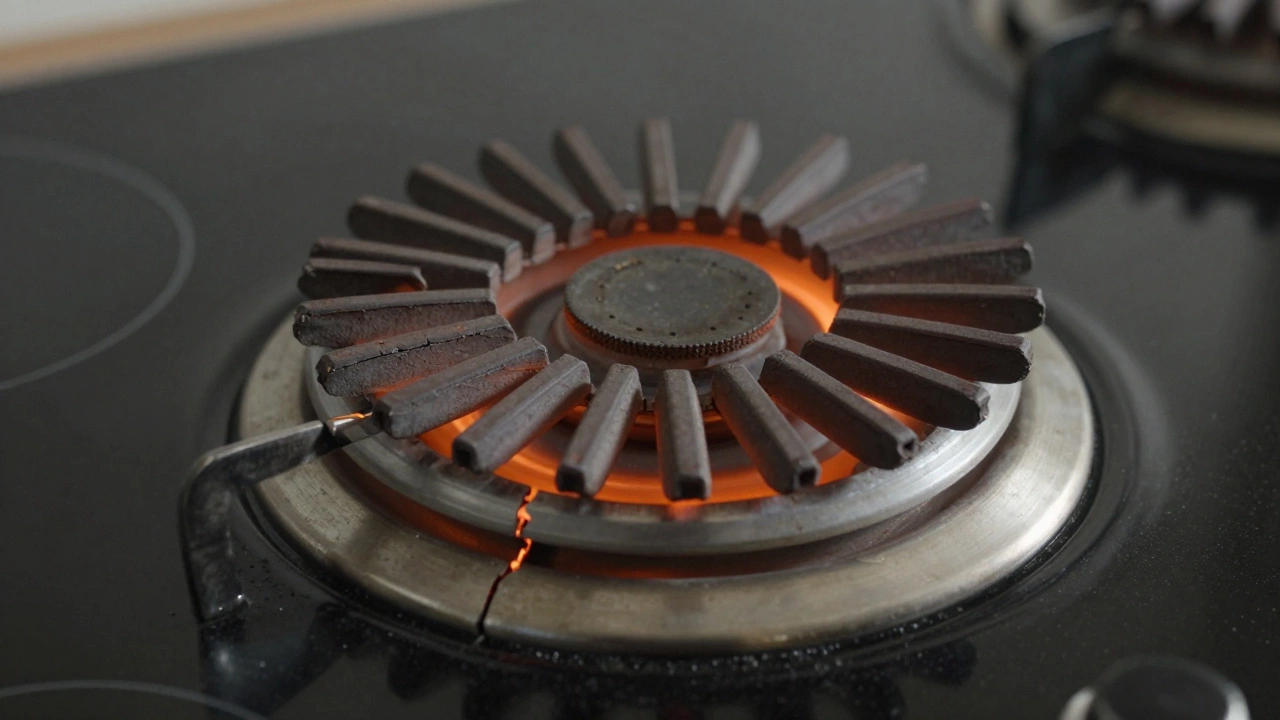
Learn how to tell if your electric stove element is bad with simple visual checks, multimeter tests, and common signs of failure. Save money by diagnosing and replacing it yourself.

Need to replace your electric oven element? Find out how much it costs, what affects the price, and the best options for repairing your oven in 2025.
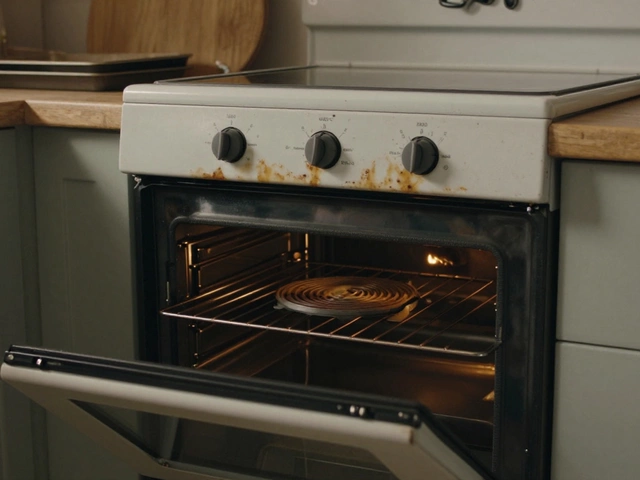
Deciding whether to fix or replace a 20-year-old oven? Learn real repair costs, energy savings, safety risks, and when it’s smarter to buy new. Practical advice for UK homeowners.
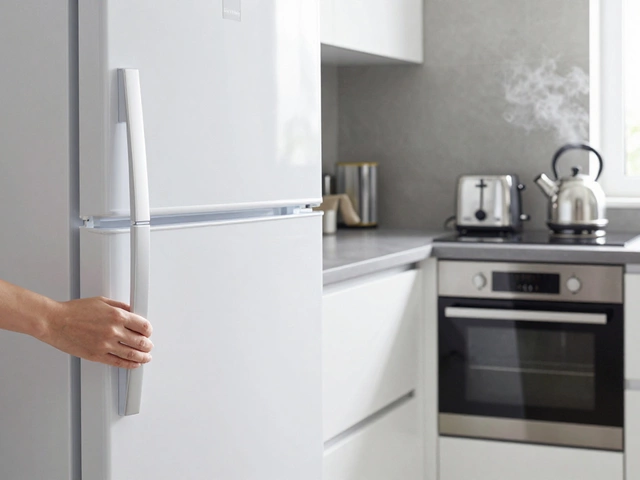
An appliance is a device designed to perform a specific household task like cooking, cleaning, or cooling. It’s not just anything that plugs in - it must replace manual labor and be used regularly at home. Understanding this helps you find the right repair service and know what’s covered under warranties.

Discover the workings of a hob, a crucial kitchen fixture that often gets overlooked until it malfunctions. Learn the common issues that can affect its performance and get handy tips on basic repairs and maintenance. Whether you're dealing with burner problems or electrical faults, this guide provides practical advice to keep your hob in top shape. Understand the typical lifespan of these appliances and how to extend it through regular care.
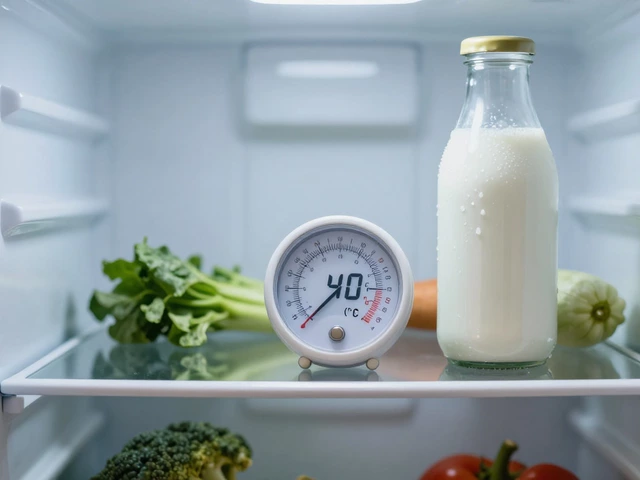
Learn how to tell when a refrigerator goes bad by spotting key signs like temperature drops, strange noises, and frost buildup. Discover when to repair vs. replace your fridge.

Curious about how much a new boiler might set you back? This article breaks down the costs involved, from purchasing the unit to installation fees. Understand the factors that influence pricing and learn practical tips to get the most value from your investment. Discover essential maintenance advice and the importance of proper sizing and efficiency ratings. Equip yourself with knowledge before making a decision about your home's heating system.