

Got an electric hob that won’t heat, clicks weirdly, or shows error codes? You’re not alone. Most homeowners face one of these issues at least once, and many of them can be solved without a full service call. In this guide we’ll walk through the typical faults, show you step‑by‑step how to tackle the easy ones, and tell you when it’s smarter to call an expert.
First, let’s look at what usually goes wrong. The most frequent culprits are:
Before you tear anything apart, always switch the hob off at the wall and let it cool for a few minutes. Safety first.
To test a heating element, you’ll need a multimeter. Set it to the resistance (ohms) setting and touch the probes to the element’s terminals. A healthy element usually reads between 10‑30 Ω. If the needle jumps to infinity, the element is burnt out and needs replacement.
If the problem is the control board, look for obvious signs: burnt spots, loose wires, or corroded contacts. A quick clean with a dry brush can sometimes restore proper contact. If the board is damaged, swapping it out is the safest route.
Even if you’re comfortable with tools, some situations are best left to the pros. Call a qualified appliance repair technician if you notice any of these red flags:
A reputable local service, like Bognor Regis Appliance Repair Experts, can diagnose the issue fast and guarantee the work. Their technicians know the exact models sold in the area and carry the right spare parts, which saves you time and money.
In most cases, a quick visual inspection, checking the element, and resetting the breaker will get your hob back in action. Keep a simple maintenance routine – clean the surface after each use, avoid heavy pots that can crack the glass, and give the unit a once‑a‑year check‑up. That way you’ll catch wear early and extend the life of your electric hob.
Remember, a working hob is essential for daily cooking, so don’t let a small fault turn into a bigger headache. Try the DIY steps first, and if anything feels off, book a professional visit. You’ll be back to sizzling meals in no time.
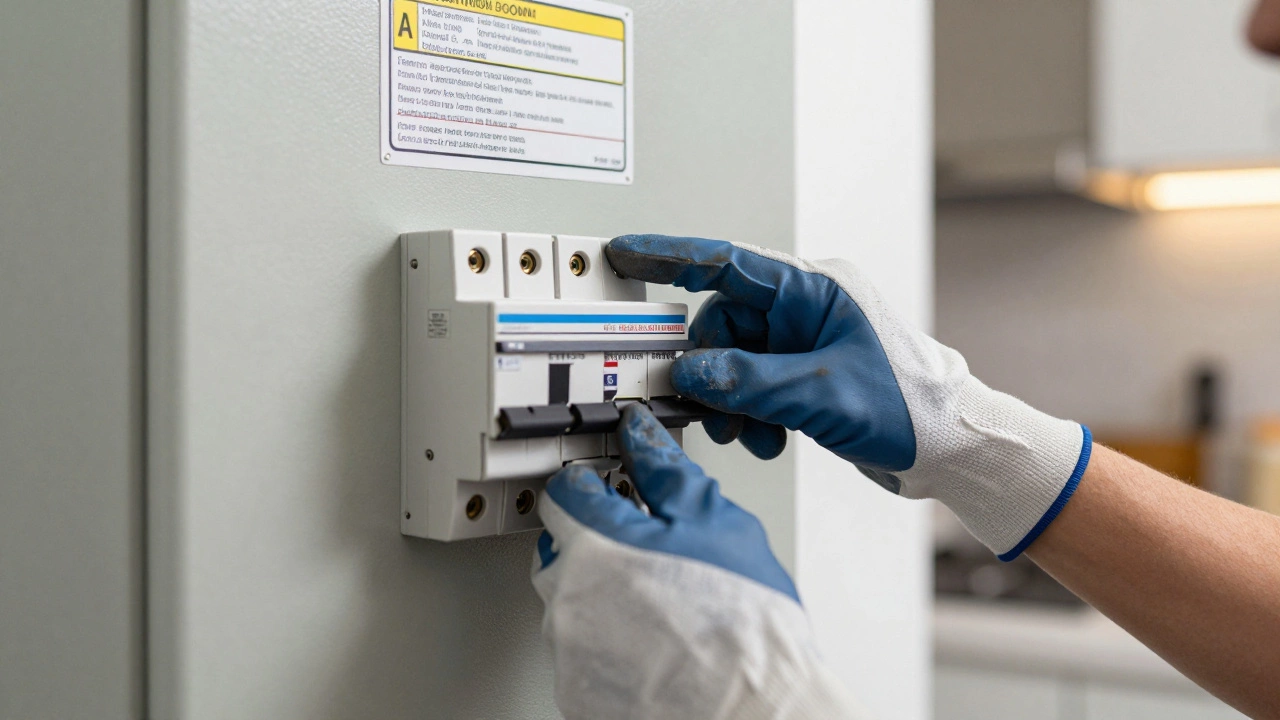
Learn how to safely fix a burnt electric hob by checking the element, testing with a multimeter, replacing parts, and preventing future damage. Avoid fire risks with these step-by-step tips.

Discover if electric hobs can be fixed, cost breakdowns, DIY steps, safety tips, and when to replace. A practical guide for UK homeowners.

Can you replace an electric hob element? Absolutely! This hands-on guide dives into safe, practical steps for swapping out faulty burners and keeping your electric hob in top shape.
An electric hob on the fritz can leave you in a lurch, but knowing how much it costs to fix can help you prepare. We'll break down the average repair costs, consider factors like brand, parts, and labor, and help you decide if a repair or replacement makes more sense. Get the inside scoop on typical issues that might arise and how to avoid them in the future. With this guide, you'll feel more confident when talking to repair technicians and won't be caught off guard by unexpected expenses.

When your electric hob stops working, it's more than just a minor inconvenience—cooking essentials go awry, family meal plans are disrupted. Understanding some common causes and fixes is crucial before calling in the big guns or rushing to buy a new unit. From circuit issues, faulty sensors, and even user errors, many problems have straightforward solutions. This guide walks you through troubleshooting steps and shares tips to keep your hob cooking strong.

If your cooker suddenly stopped working, it might be due to a range of reasons from electrical issues to simple user errors. Understanding the root cause is key to fixing the problem efficiently. In this article, we explore common reasons why cookers fail and offer practical troubleshooting tips to get your appliance working again. From checking the power supply to examining electrical components, we cover it all. Get your cooker back up and running with our straightforward guide.
Find out when fixing a 15‑year‑old oven makes sense, compare repair costs with buying new, and learn safety, energy and environmental factors to help you decide.
Extractor fans are essential for maintaining good air quality in homes, but what happens when they break down? This article explores whether electricians are the right professionals to fix extractor fans, the typical issues these fans encounter, and some maintenance tips to avoid frequent repairs. Learn about the repair process and when it might be time to replace your fan altogether.

A malfunctioning freezer can be a headache, particularly when it involves the compressor. Understanding whether it's worthwhile to replace a compressor requires consideration of several factors, including cost, age, and efficiency. This article breaks down the key elements for deciding if compressor replacement is the best route. With practical advice and insider tips, you'll gain clarity on making an informed decision for your appliance.
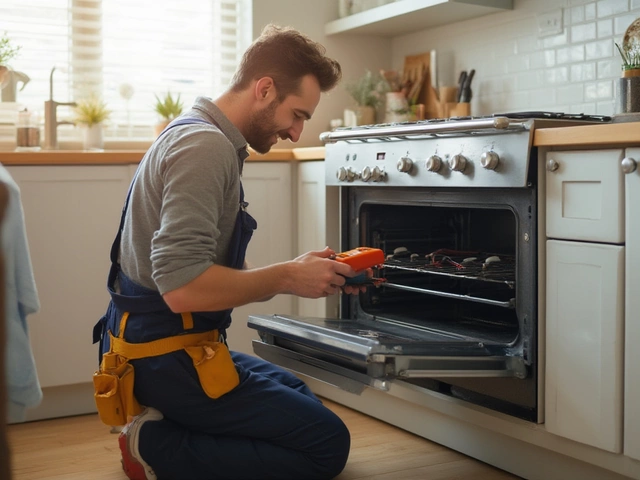
Wondering if an electrician can fix your electric oven? Get the facts, tips, and expert advice you need on diagnosing and repairing broken ovens.