

If you notice a crack in your electric hob, don’t panic. A cracked surface can look scary, but with the right steps you can keep your kitchen safe and get the hob working again.
First, turn off the power at the fuse box. A live hob with a cracked glass can expose the heating element and create a shock hazard. Look closely at the crack – is it a tiny hairline line or a big break that runs across the whole panel? Small chips often mean you can replace just the glass top. Big cracks may mean the whole hob needs a new surface or even a new unit.
Check for any signs of moisture under the glass. If water has seeped in, it could cause short‑circuits. Also, run a quick visual test of the burners. If a burner doesn’t heat up, the crack might have damaged the element.
When the crack is minor, you can replace the glass yourself. You’ll need a replacement hob glass that matches your model, a screwdriver set, and a pair of safety gloves. Follow these steps:
If the crack is larger than the glass panel, you’ll need to replace the whole hob surface. That usually involves disconnecting the wiring, removing the old unit, and fitting a new one. Unless you’re comfortable with electrical work, it’s safer to let a qualified electrician handle this part.
Even after a successful DIY repair, keep an eye on the hob for the first few days. Any strange smells, flickering lights, or uneven heating mean you should stop using it and call a professional.
When to call a pro? If the crack is deeper than the glass, if you see exposed wiring, or if the hob still won’t heat properly after a glass swap. A certified appliance repair technician can diagnose hidden faults and ensure the job meets safety standards.
Lastly, keep your hob clean and avoid heavy pots that can stress the glass. A soft silicone mat can protect the surface while cooking.
Cracks happen, but with these steps you can decide whether a quick DIY fix will do or if it’s time for an expert. Stay safe, keep the power off until you’re sure, and enjoy a working hob again soon.
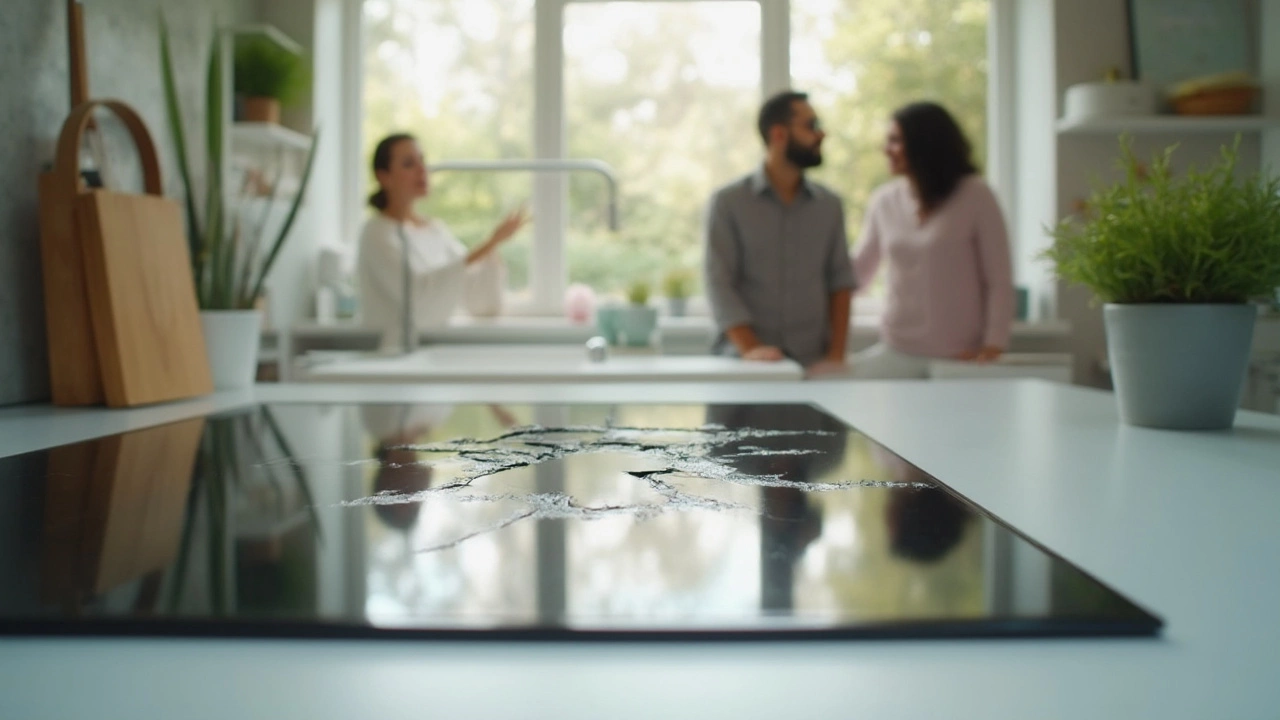
Cracks in electric hobs can show up suddenly and cause real headaches in the kitchen. This article looks at why electric hobs crack, from common mistakes to sneaky issues with installation. You'll get practical tips on how to prevent damage and handle minor cracks. Find out when you can fix a hob yourself and when it's smarter to call for professional help. Stay ahead of costly repairs and keep your cooking space safe.

Thinking about how long your boiler will keep working? This article explains the real lifespan of boilers, the factors that affect how long they last, and how to spot when yours might be on its last legs. You'll get practical tips for stretching out your boiler's life and advice about when it's smarter to repair or just replace. Stay warm and avoid surprise breakdowns with these straightforward facts.
Wondering if your 20-year-old oven can be repaired? Discover repair tips, replacement part insights, costs, and when it makes sense to swap your old oven for a new one.
Find out how much a new boiler costs in 2025, including prices by type, installation fees, rebates, and how to avoid overpaying. Learn when to replace your boiler and what to look for in a quote.

Is your hot water heater suddenly not working? Here’s what can go wrong, how to spot the problem fast, and pro tips to get hot water back right away.
Shower cold but other taps hot? Learn how to diagnose and fix the problem, from failing mixing valves and diverters to air locks and sediment buildup.