

If your dryer is taking forever to dry clothes, rattling loudly, or leaking water, it might be time to think about a replacement. A new dryer can save energy, cut down on utility bills, and stop you from constantly fixing the same problem. In this guide we’ll show you the tell‑tale signs that repair isn’t worth it, how to pick a model that fits your home, and what to expect on installation.
First, look for the obvious red flags. A dryer that won’t heat at all, even after checking the fuse and vent, is a major clue. If the drum spins unevenly or makes grinding noises, the drum rollers or motor are probably worn out – parts that can cost almost as much as a new machine. Another common issue is persistent lint buildup that triggers the safety switch; this means the vent system is blocked and the dryer is over‑working.
Age matters too. Most dryers last 10‑15 years with regular maintenance. If yours is pushing 12 years and you’ve already spent a few hundred pounds on repairs, the numbers start to tip toward replacement. Look at your energy bills – an old dryer can be 30‑40% less efficient than a modern, eco‑friendly model.
When you decide to replace, think about capacity, energy rating, and the space you have. A 7‑kg drum is enough for a couple of people, while a 9‑kg or larger unit works better for families. Look for an A+++ rating – it might cost a bit more upfront, but the savings on electricity are noticeable.
Consider the type of dryer too. Condenser dryers are easy to install because they don’t need a vent, but they use more electricity. Heat‑pump dryers are the most efficient and gentle on clothes, though they carry a higher price tag. If you have a proper vent, a vented dryer will be cheaper to run.
Don’t forget extra features like sensor drying, anti‑wrinkle cycles, or steam refresh. These can cut down on ironing time and keep fabrics looking fresh longer. Read reviews from UK buyers – many sites highlight reliability, noise levels, and how well the dryer handles heavy loads.
Once you’ve picked a model, plan the installation. Most appliances need a qualified electrician to hook up the power safely, especially if it’s a high‑power unit. Professional installers can also check the vent length and make sure there are no obstructions that could cause future problems.
Finally, think about warranty and after‑sales service. A three‑year warranty is common, but some brands offer five‑year coverage on the motor. This gives you peace of mind that any early issues won’t hit your wallet.
In short, if your dryer is noisy, inefficient, or constantly breaking down, a replacement is often the smarter move. Choose a size and energy rating that matches your household, check the venting requirements, and let a pro handle the hookup. You’ll end up with faster drying, lower bills, and fewer repair calls – a win for any Bognor Regis home.
Find out when repairing your dryer isn’t the smart move. Learn real signs, safety warnings, and how to choose between fixing and just getting a new one.

Discover the essential roles appliances play in our daily lives and learn effective tips for maintaining their efficiency. From refrigerators to washing machines, each appliance features unique mechanics tailored for specific tasks. Grasping these functions is crucial for efficient servicing and longevity. Uncover surprising facts about how appliances work and ground yourself in practical maintenance advice to keep them running smoothly.
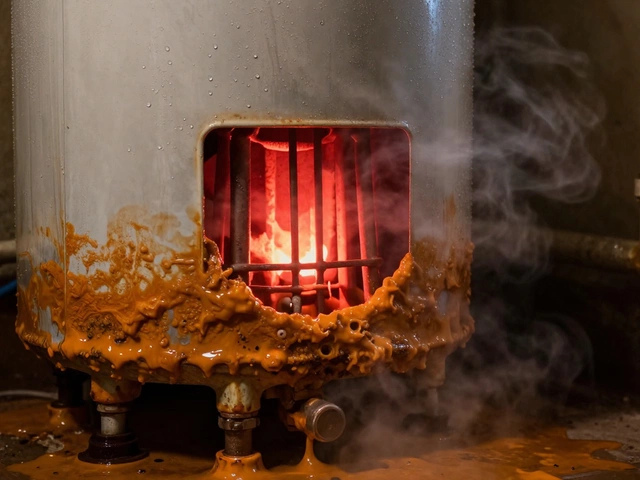
Sediment buildup from hard water is the #1 cause of water heater failure. Learn how mineral deposits damage your tank, why the anode rod matters, and simple steps to prevent leaks and extend your heater's life.

Who pays for boiler maintenance? Landlords must cover it for tenants. Homeowners pay for everything. Warranties don't cover servicing. Annual checks are legally required and save lives.
Troubles with your water heater might mean it needs a reset. Knowing when and how to reset it can prevent cold showers and unnecessary stress. This guide covers signs your water heater needs resetting, why it's important, and how to do it safely. Plus, learn some handy maintenance tips to keep it running smoothly.
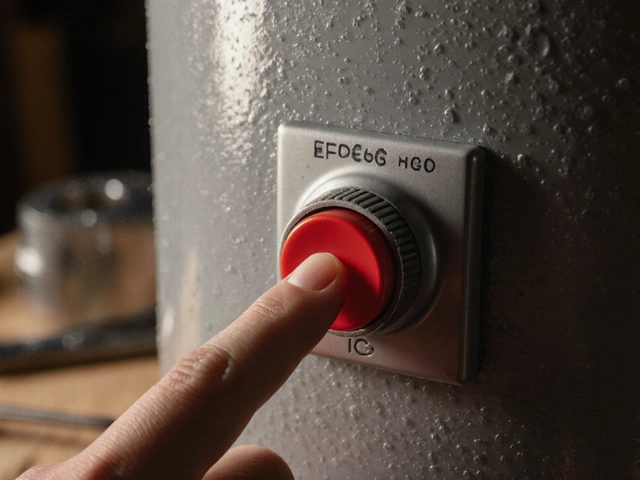
Learn how to properly reset your water heater's safety button - and why holding it down won't help. Find out what really causes it to trip and when to call a professional.