

Got a broken oven, a noisy washer, or a cold shower? You don’t always need to call a pro. Our DIY guides show you how to tackle the most common appliance problems with tools you already have at home. From swapping a hob element to flushing a water heater, each guide gives clear steps you can follow right now.
One of the easiest wins is replacing a faulty electric hob element. Turn off the power, remove the old burner, and snap in a new one – you’ll hear that satisfying click and see the heat return in minutes. The same basic approach works for oven elements: locate the screws, disconnect the wires, and swap the part. Both jobs need a screwdriver and a replacement part, which you can order online.
If your heat pump isn’t blowing warm air, start by checking the filter. A clogged filter forces the unit to work harder and can block warm airflow. Clean or replace the filter, reset the thermostat, and you’ll often restore normal performance without opening the whole system.
Cold showers? A water heater that keeps resetting usually has a sediment buildup. Flushing the tank once a year clears the debris, improves heating efficiency, and stops random shutdowns. Just attach a garden hose to the drain valve, let the water run, and then refill the tank.
Extractor fans in kitchens and bathrooms lose power when the motor or wiring fails. Most fans are mounted with a few screws. After turning off electricity, remove the cover, check the wiring for loose connections, and replace the motor if it’s noisy or doesn’t spin. A new fan can be installed in under an hour.
Always switch off the power at the breaker before you start any repair. A quick test with a voltage tester confirms the circuit is dead, protecting you from shocks. If you’re unsure about a step, pause and look up a video or ask a friend who’s comfortable with tools.
Keep a tidy workspace. Lay out all screws, nuts, and small parts on a tray so nothing gets lost inside the appliance. When re‑assembling, tighten fasteners just enough – over‑tightening can crack plastic housings or strip metal threads.
Know your limits. Repairs involving gas lines, sealed refrigerant systems, or high‑voltage components should be left to licensed professionals. Trying to fix a boiler yourself can be dangerous and might void your warranty.
By following these simple checks and using the right parts, you can save money, learn new skills, and keep your home running smoothly. Browse our full list of DIY articles for deeper details on each appliance, and get back to enjoying a fully functional kitchen and laundry room without the wait.
Remember, the best DIY repair is the one you start confidently and finish safely. Grab your tools, read the guide, and give your appliance a second chance today.

Thinking about swapping out your extractor fan? This article breaks down when you really need a licensed electrician and when you might handle it yourself. Learn what risks and rules are involved, plus some practical tips for a painless install. Get clear answers on costs, permits, and what can go wrong if you take shortcuts. If you want fast, safe, and lasting results, this guide walks you through everything step-by-step.

Extractor fan acting up? If you’re wondering who handles extractor fan replacement, this article breaks it down. Learn the difference between calling a pro and tackling it yourself, get tips on when to fix or swap out a fan, and find out what skills and tools make the job smooth. Real, practical advice from someone who's been around finicky fans and quick fixes. Don’t let poor ventilation keep bothering you—get the facts and decide what works best.
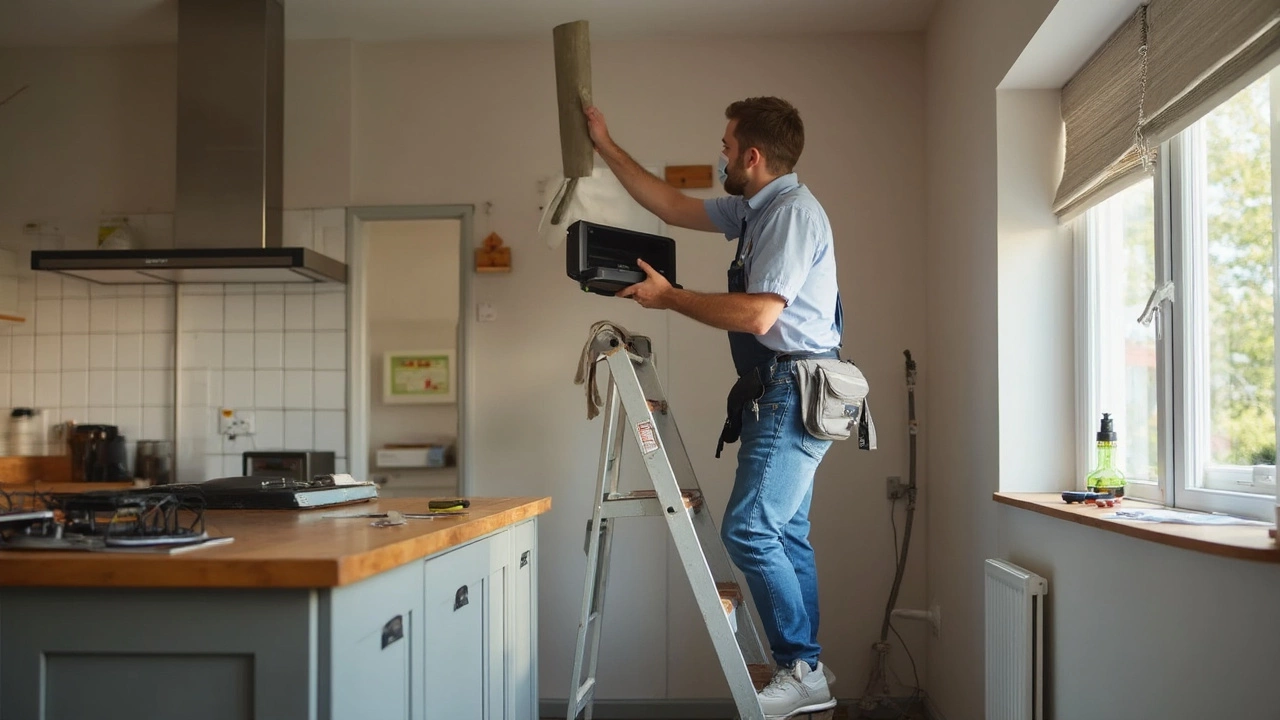
Wondering if you can swap out an extractor fan without calling in a pro? This article breaks down what it really takes to replace an extractor fan yourself, from the easy steps to watch-outs that could trip you up. Learn which tools you’ll need, how to stay safe with electricity, and where to draw the line and call an expert. Get helpful tips and facts straight from a practical perspective. Perfect for anyone ready to tackle a home repair without risking their safety or their ceiling.
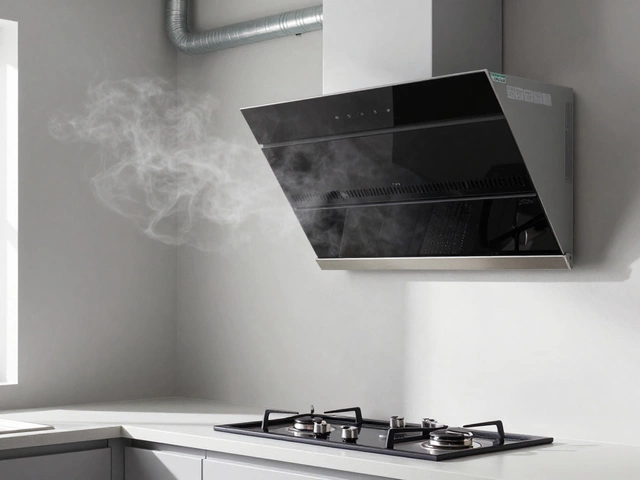
In the UK, you legally need an extractor fan in your kitchen if you have a gas hob or have done major renovations since 2006. Learn what the regulations require and why skipping it could cost you more than installing one.
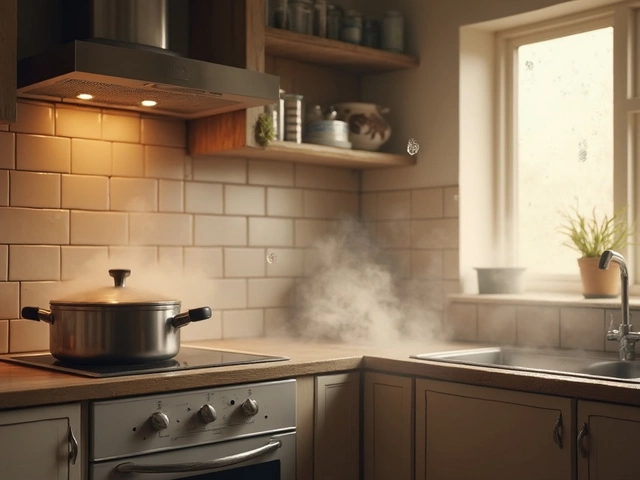
Not using an extractor fan can lead to unexpected issues in your kitchen or bathroom. From accumulating moisture and odors to potential damage over time, extractor fans play a crucial role in home maintenance. This article explores why these devices are essential, the problems that arise from neglecting them, and practical tips on proper care and repair.
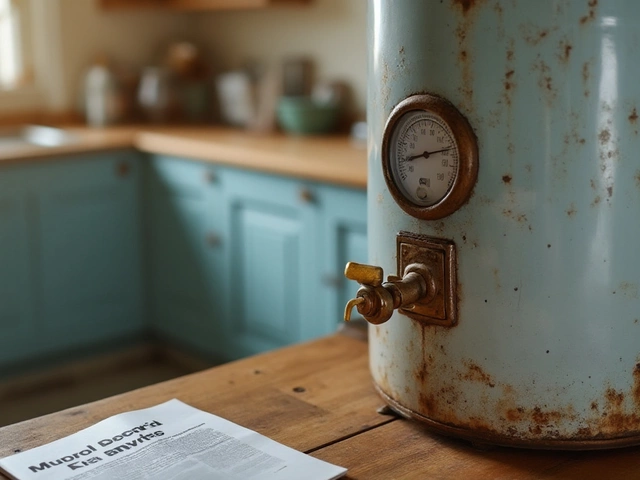
Determining when your hot water heater needs replacement isn't always straightforward. This guide explores key signs such as irregular water temperatures, strange noises, and age that might indicate it's time to get a new unit. Understanding these signs not only ensures a reliable hot water supply but also prevents potential damage and higher energy bills. Additionally, we discuss some tips for maintenance to prolong the life of your current system.
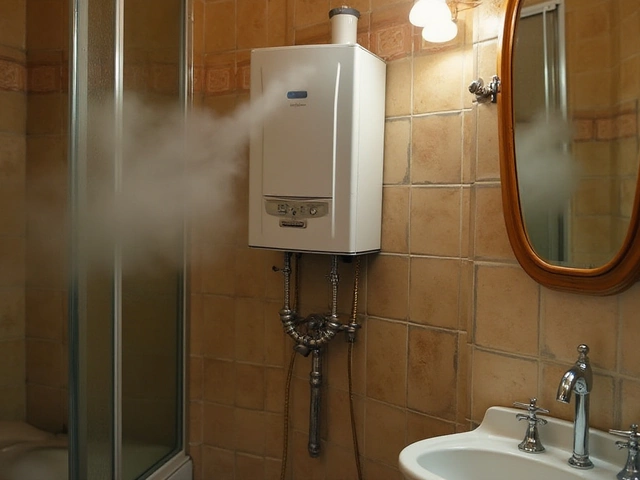
When your hot water heater isn't supplying the steamy showers you're used to, it might be due to a faulty heating element. This article dives into common indicators of a malfunctioning water heater element, such as unusual noises, inconsistent water temperatures, and an unexpected spike in your energy bills. You'll learn how to diagnose potential issues and gather insights on troubleshooting these problems. While some fixes might require professional expertise, understanding the basics can help you pinpoint the root of the problem and decide the best course of action. Get ready to reclaim your warm water comfort!
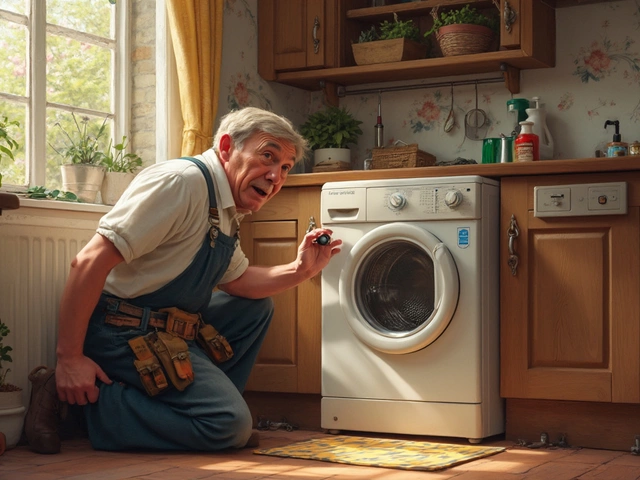
An appliance technician plays a crucial role in keeping household and commercial appliances running smoothly. They diagnose issues, perform necessary repairs, and offer maintenance tips to prevent future problems. Understanding their responsibilities helps in appreciating their importance. This article provides insights into the day-to-day duties of an appliance technician and offers tips for those aspiring to join this field.