

If your microwave has stopped heating, makes strange noises, or won’t start, you don’t have to rush to a repair shop right away. Most issues are small, cheap to fix, and can be tackled with a few basic tools. Just remember: safety first – always unplug the unit before you start any work.
Microwave won’t heat. The most likely culprit is a faulty magnetron, but before you replace anything, check the door latch and the high‑voltage diode. The door latch sensor tells the microwave it’s safe to run; if it’s stuck, the oven won’t turn on. Clean the latch area with a dry cloth, then test the door switch with a multimeter. If the switch reads zero resistance, it’s good. If not, replace the latch – it’s usually under $15.
Turntable won’t spin. Remove the turntable tray and inspect the motor coupler. Over time, the plastic piece can crack and stop transferring power. Swapping the coupler with a new one (often sold as a “microwave turntable motor kit”) restores smooth rotation. While you have it off, give the motor shaft a quick clean with a soft brush.
Weird buzzing or humming. This can be a loose fan blade or a failing high‑voltage transformer. Open the back panel, locate the cooling fan, and tighten any loose screws. If the fan still rattles, replace it – it’s a cheap part and a simple swap. A buzzing transformer usually means it’s overheating; check for dust buildup on the heatsink and blow it out with compressed air.
Microwave won’t start at all. Start with the simplest check: the fuse. Unplug the unit, locate the fuse (often a glass tube near the power cord), and test it with a multimeter. If it’s blown, replace it with the same rating. Next, look at the door interlock switches – there are usually two or three. Any one of them being faulty will keep the microwave from powering up.
Even with the best DIY spirit, some jobs are best left to the experts. If you’ve tested the magnetron, high‑voltage diode, and transformer and the microwave still won’t heat, you’re dealing with high‑voltage components that can store dangerous charges. Also, if the microwave shows signs of water damage, burning smells, or sparks, shut it down immediately and call a certified repair technician. Trying to fix these parts yourself is risky and could cause more damage.
Lastly, consider the cost‑benefit factor. A typical microwave costs £80‑£150. If the parts you need add up to more than half that price, or the unit is over ten years old, it might be smarter to replace it. Modern microwaves are more energy‑efficient and come with better safety features.
In short, many everyday microwave hiccups can be solved with a quick look at the door latch, turntable motor, fan, and fuse. Keep a basic toolkit – screwdriver, multimeter, and a small brush – handy, and you’ll save time and money. When in doubt, or when high‑voltage parts are involved, call a professional and stay safe.
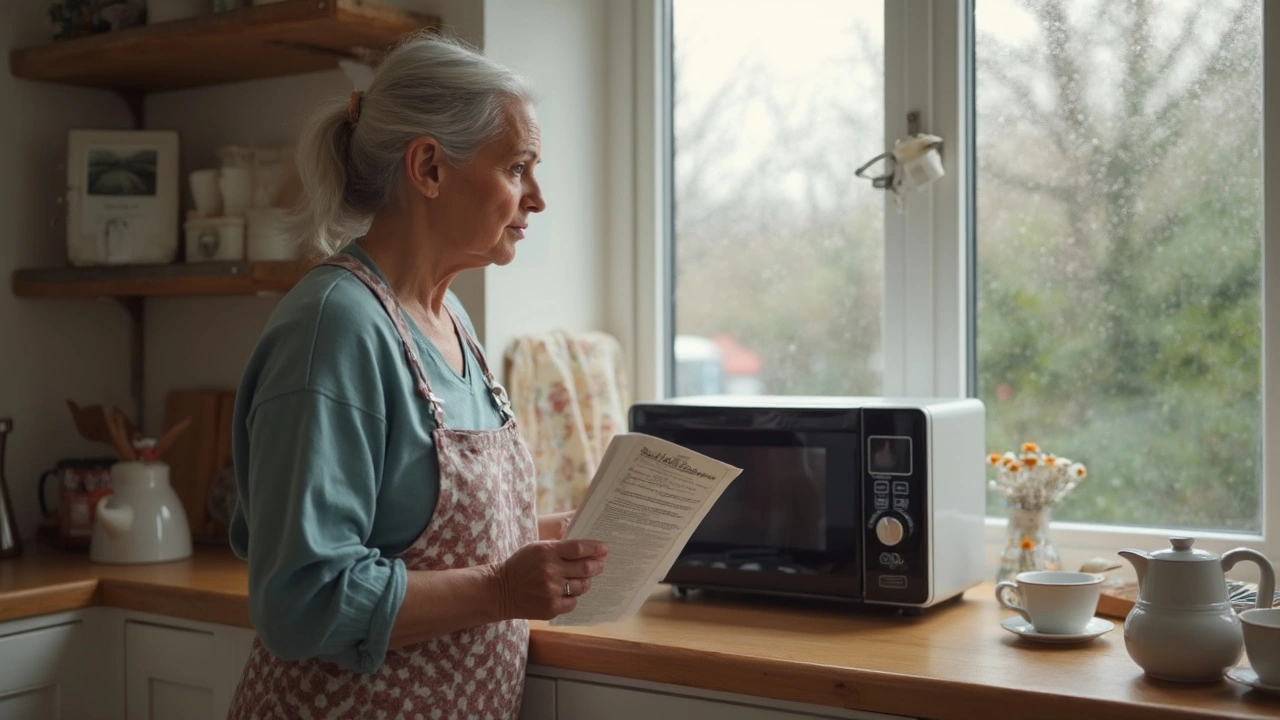
Wondering if you can fix your microwave at home instead of tossing it and buying a new one? This article breaks down common microwave problems, what you can safely handle, and when it's better to call a pro. Get practical tips that actually make a difference, plus real talk about microwave safety. Save yourself time, money, and stress with easy-to-follow advice. Tackling your appliance repair just got a whole lot simpler.
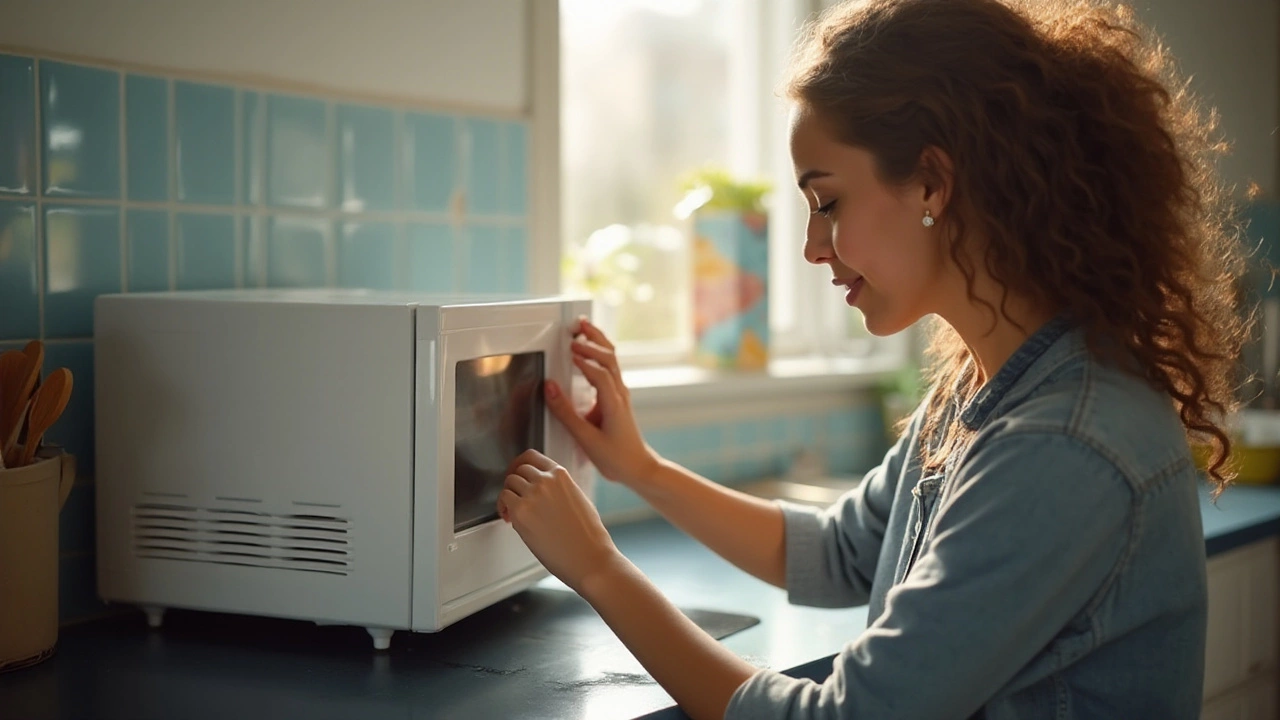
Microwave ovens, essential kitchen appliances for many households, can sometimes fail to operate smoothly. This article dives into the intricacies of microwave repair, exploring common issues, troubleshooting methods, and practical repair tips. Designed for both amateur DIY enthusiasts and curious individuals, the guide offers insights into understanding microwave components and determining when professional help is necessary. Learn the skills needed to fix minor problems and tips to maintain the efficiency of your microwave.
Repairing a glass hob is an essential task for maintaining a functional and modern kitchen. The cost of fixing a glass hob can vary greatly depending on the damage's severity and the required repair type. This article delves into the various factors influencing repair costs, from crack treatment to replacement solutions. It also provides tips for maintenance to prolong the lifespan of your hob and prevent future damage.
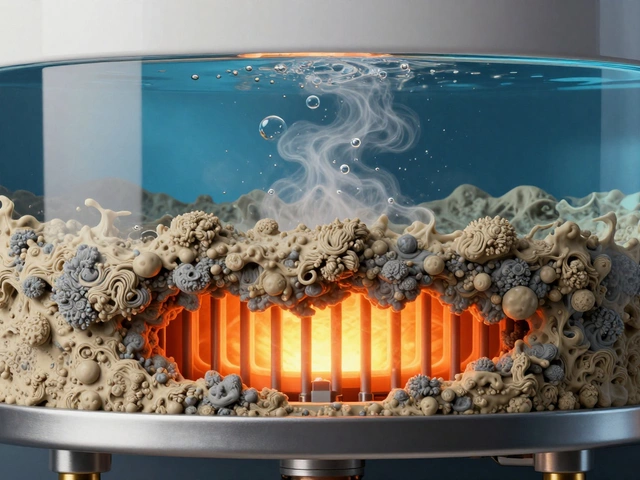
Discover the most common hot water heater problems, including sediment buildup, pilot light failures, and leaks. Learn how to diagnose issues, perform maintenance, and extend your unit's lifespan.
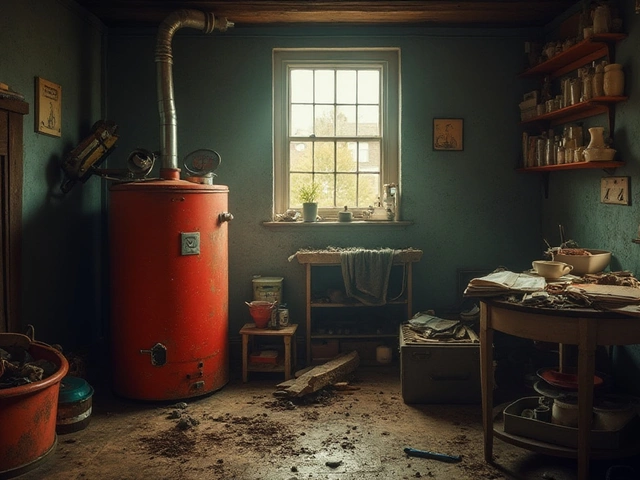
A 40-year-old boiler can pose potential safety risks. Understanding the wear and tear it undergoes over the decades is crucial. Regular maintenance and safety checks are essential to ensure it operates safely. Homeowners should consider the pros and cons of keeping such an old appliance. Discover tips and advice on making informed decisions regarding your boiler's safety and efficiency.
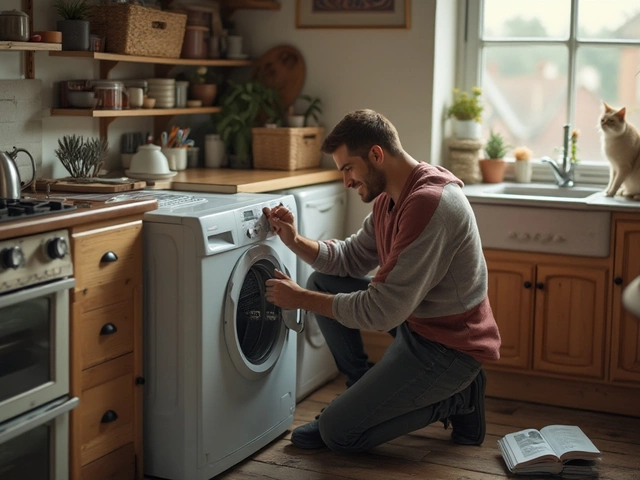
Repairing a washing machine yourself can save time and money, and it's not as difficult as one might think. This article covers the basic steps for diagnosing common issues, tools required for repairs, and safety tips to consider. Whether it's a noisy drum or a leaking gasket, we guide you through essential troubleshooting techniques. Learn how to tackle minor fixes and decide when to seek professional help.
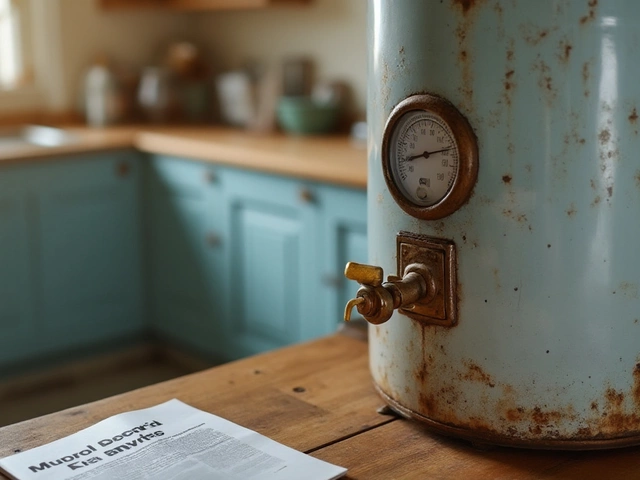
Determining when your hot water heater needs replacement isn't always straightforward. This guide explores key signs such as irregular water temperatures, strange noises, and age that might indicate it's time to get a new unit. Understanding these signs not only ensures a reliable hot water supply but also prevents potential damage and higher energy bills. Additionally, we discuss some tips for maintenance to prolong the life of your current system.