

If your freezer has stopped cooling or is making weird noises, you don’t have to call a pro immediately. Most issues are easy to spot and fix with a few tools and a bit of patience. Below you’ll find the most common freezer problems, quick checks, and step‑by‑step fixes you can try at home.
The first thing to do is identify the symptom. Is the freezer not getting cold at all? Is there ice buildup? Is it leaking water? Write down what you see – that will guide the repair and save you time.
1. Freezer Not Cooling – The most frequent cause is a blocked condenser coil or a dirty fan. Pull the freezer away from the wall, locate the coils at the back or underneath, and vacuum any dust. While you’re there, spin the fan with your hand; it should move freely. If it’s stuck, a simple cleaning might free it, but a broken motor will need replacement.
2. Ice Buildup – Frost can form when the door seal is loose or the defrost timer fails. Check the rubber gasket for cracks or gaps; run a finger around it to feel for cold leaks. A seal that’s not tight lets warm air in, causing frost. Replace the gasket or apply a thin line of silicone sealant for a quick patch.
3. Leaking Water – Usually this comes from a clogged defrost drain. Locate the drain hole at the back of the freezer, clear it with a pipe cleaner, and pour a cup of hot water to melt any blockage. If the water still pools, the drain pan might be cracked and will need a new one.
Step 1 – Power Down – Unplug the freezer or switch off the circuit breaker. Give it a few minutes to settle before you start opening panels.
Step 2 – Clean the Coils – Use a coil brush or an old vacuum attachment to remove dust. A clean coil improves airflow and cooling efficiency.
Step 3 – Test the Fan – If the fan is noisy or won’t spin, it might need a new motor. Remove the fan cover, disconnect the wiring, and replace the motor with a matching part (check the model number on the label). Reattach and listen for a smooth hum.
Step 4 – Check the Thermostat – Many freezers have a dial or electronic sensor. Turn the dial a few notches higher and see if the freezer starts to cool. If not, the thermostat could be faulty and should be swapped out.
Step 5 – Defrost Timer – For older units, the timer can get stuck in the “off” position. Locate the timer (usually behind the control panel) and manually advance it using a screwdriver. If it jumps back instantly, the timer is dead and needs replacement.
After you finish, plug the freezer back in and give it 24 hours to reach the proper temperature. Keep an eye on it for any recurring issues – if the problem returns, it might be time to call a professional.
These fixes cover about 80 % of freezer headaches. Most homeowners can handle them without special training, and the cost is far less than a service call. Remember to always safety‑first: unplug, wear gloves, and don’t force any parts.
Got a different freezer problem? Try searching for a specific guide or check out our related DIY articles on appliances – from electric oven elements to kitchen extractor fans – they all follow the same clear, step‑by‑step style.
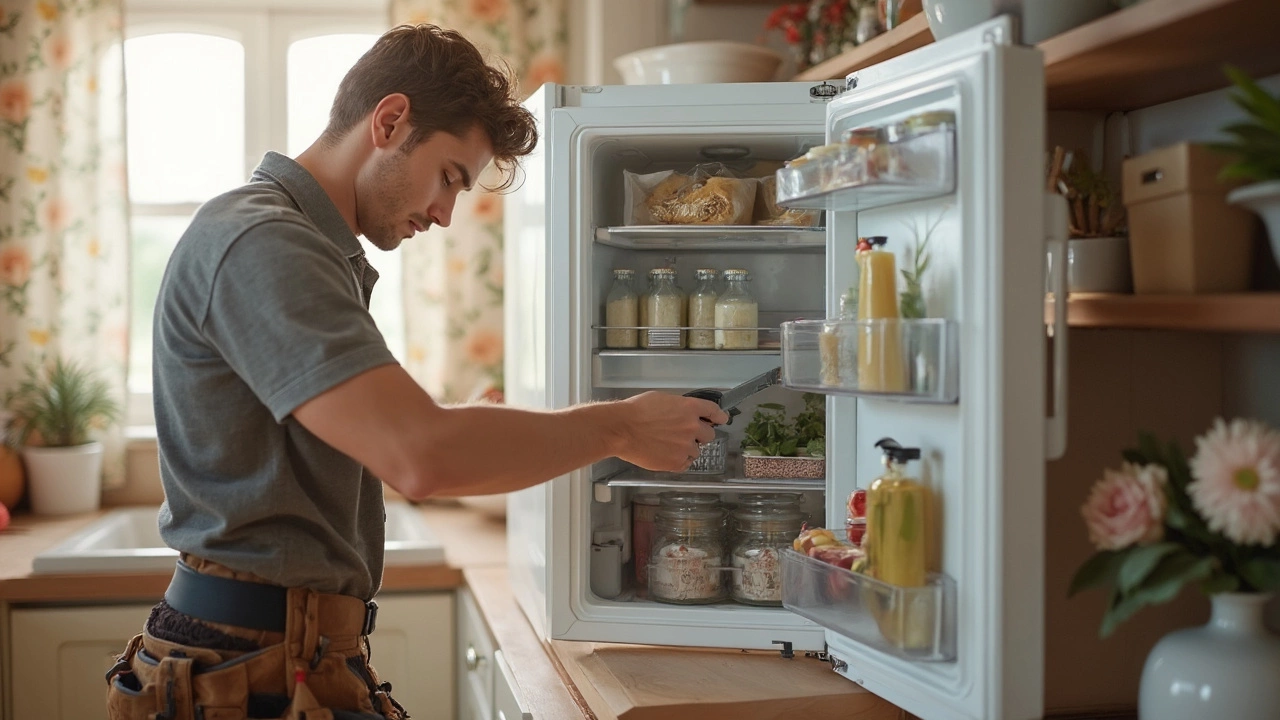
Resetting a freezer compressor may sound daunting, but it's an essential skill for maintaining your appliance's efficiency. Compressors can occasionally need a reset to function properly, potentially saving you from costly repairs or replacements. This article walks you through the steps to safely reset your freezer compressor and offers tips to prevent future issues. Understanding when and why to reset your compressor can keep your freezer running smoothly and extend its lifespan.

Thinking about swapping out your gas hob? Safety rules in the UK are strict, and there’s more to it than just unscrewing pipes. This article looks at whether you really need a gas engineer for the job, what could go wrong if you cut corners, how to pick the right pro, and little-known facts about what happens during an installation. It’s a no-nonsense breakdown for anyone facing a hob swap, putting your safety at the front of the queue.
Trying to figure out if you need a ventilation fan or an extractor fan? This article breaks down the differences between the two, explains how each one works, and shares tips for choosing and maintaining the right fan for your home. You’ll also pick up advice on recognizing issues, making easy repairs, and knowing when it's time to replace. If you’ve got problems with humidity, bad smells, or stuffy air, this guide is for you.

Wondering if your 20-year-old oven can be repaired? Discover repair tips, replacement part insights, costs, and when it makes sense to swap your old oven for a new one.

Wondering if your oven's heating element is faulty? Learn how to identify signs of a broken oven element, including visual inspections, testing with a multimeter, and troubleshooting tips. This guide offers essential knowledge to help you diagnose and fix any issues, ensuring your oven works efficiently. Stay informed about safety precautions and when it might be time to call a professional.

Ever got frustrated with cold showers while waiting for your hot water heater to get fixed? This article breaks down how long it really takes to repair different types of water heaters, from common issues you can fix yourself to problems that call for a pro. You'll learn what affects the repair timeline, plus some quick tips to speed things up. No more second-guessing if you’ll be stuck with icy water all day. Get the facts so you can plan around your next repair.