

When tackling DIY electric hob, the process of repairing or swapping parts on a household electric cooking surface. Also known as electric stove DIY, it lets you restore heat control without waiting for a technician. Electric hob element the heating component that glows red to generate cooking heat is the most common part people replace, and having a basic tool kit makes the job doable. In short, DIY electric hob work requires a bit of know‑how, the right tools, and strict safety habits.
Most electric hobs fail because the element burns out, the control board loses power, or the safety thermostat trips. Control board the electronic module that regulates temperature and timing often shows a dead display when it’s the culprit. When the element stops heating, a quick visual check for cracks or a multimeter test for continuity can confirm the fault. The relationship is clear: a faulty element requires a replacement, while a bad control board necessitates a more involved swap that might need professional help. Knowing which part is at fault lets you target your repair effort and avoid unnecessary replacements.
Safety isn’t an afterthought; it’s the backbone of any hob safety the set of precautions to protect yourself while working on an electric cooking appliance. Always disconnect power at the breaker before you start, wear insulated gloves, and double‑check that the hob is fully dead with a voltage tester. These steps prevent electric shock and protect the surrounding kitchen cabinets from accidental damage. A short slip can turn a simple repair into a costly emergency, so treating safety as a non‑negotiable step creates a smoother, faster fix.
What you actually need in the toolbox is simpler than you might think. A set of screwdrivers (flat‑head and Phillips), a multimeter for voltage checks, and a pair of pliers cover most situations. Kitchen appliance tools basic hand tools used for repairing cooking and refrigeration devices are inexpensive and widely available at local hardware stores. Having these tools on hand means you can diagnose a non‑heating hob, replace a burnt element, or even tighten loose connections without waiting for a service call. The more familiar you become with the tools, the quicker you’ll move from diagnosis to a working hob.
All of this adds up to a practical roadmap: identify the symptom, test the element or control board, follow strict safety steps, and use the right tools to get the job done. Below you’ll find a curated set of articles that walk you through each of these stages—whether you’re swapping a single burner, troubleshooting a whole hob, or learning the best maintenance habits to extend your appliance’s life. Dive in and turn that broken hob back into a reliable cooking companion.

Discover if electric hobs can be fixed, cost breakdowns, DIY steps, safety tips, and when to replace. A practical guide for UK homeowners.
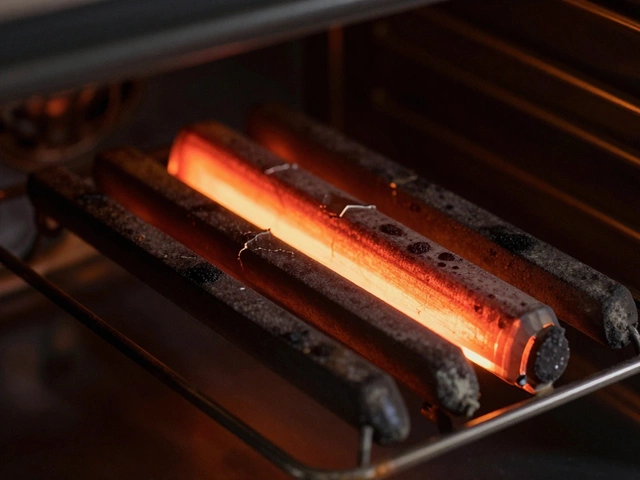
Learn how to tell if your electric oven element is bad with simple visual checks and a multimeter test. Save time and money by diagnosing the issue yourself before calling a repair technician.

Wondering how long a washing machine should actually last? This article breaks down real averages, points out what causes washers to wear out, and shows simple ways to get more years out of your machine. We’ll look at red flags for replacement, compare old versus new models, and clear up some common myths about washers. If you want your next laundry day to go smoothly—or you’re tired of surprise breakdowns—this guide’s for you.

Proper appliance maintenance can save money, extend lifespan, and keep everything running smoothly at home. Learn about essential maintenance tips for common household appliances and understand why some regular attention can go a long way. Dive into practical tips and advice that are easy to apply and can prevent inconvenient breakdowns.
Thinking about swapping out the motor in your extractor fan? This article breaks down what's really involved, the red flags that mean the motor's cooked, and how to decide if you should tackle it yourself or call in a pro. It covers how to find the right replacement part, tips to avoid shocking mistakes, and why some fans just aren’t worth fixing. Whether your bathroom fan wheezes or your kitchen extractor hums like a jet, here’s how to handle a motor on its last legs.

Wondering if you can fix your microwave at home instead of tossing it and buying a new one? This article breaks down common microwave problems, what you can safely handle, and when it's better to call a pro. Get practical tips that actually make a difference, plus real talk about microwave safety. Save yourself time, money, and stress with easy-to-follow advice. Tackling your appliance repair just got a whole lot simpler.