

If your dishwasher is acting up, you don’t have to panic. Most hiccups have an easy fix that takes under ten minutes. Before you grab the phone and call a technician, try these quick checks.
First, make sure the machine is plugged in and the circuit breaker isn’t tripped. A loose plug or a blown fuse will stop everything dead in its tracks. Next, pull the door shut and listen – you should hear a click. If the latch isn’t engaging, the cycle won’t start.
The most common complaint is dishes coming out still dirty. Start by cleaning the filter located at the bottom of the tub. Food particles build up quickly and block water flow. Take out the filter, rinse it under warm water, and use a soft brush if needed.
Check the spray arms for clogs. Remove them (most twist off) and run water through the holes. A toothpick works great for dislodging stubborn bits. Also, avoid over‑loading – dishes need space for water to circulate.
Using the right detergent matters. If you live in a hard‑water area, switch to a formula with water‑softening agents or add a rinse aid. Too much detergent can leave a film, while too little won’t break down grime.
Leaking water usually points to a cracked door seal or a loose hose. Inspect the rubber gasket around the door; wipe it clean and look for tears. A simple replacement gasket costs a few pounds and is easy to install.
For drainage issues, first make sure the drain hose isn’t kinked or clogged. Detach it and blow through it – you should feel clear airflow. If the hose is fine, the problem may be a blocked pump. Most pumps have a small screen you can clean after removing the bottom panel.
Unusual noises often come from broken spray arm bearings or a worn‑out pump motor. If you hear a grinding sound, stop the machine and inspect the arm bearings; a quick snap of a new bearing usually solves it. Persistent motor noises mean it’s time to call a pro – motor rewinds are best left to a qualified technician.
Even after you’ve tried these steps, some issues need a professional’s touch. Electrical faults, a burnt‑out heating element, or a faulty timer are not DIY‑friendly and can be dangerous.
When in doubt, give Bognor Regis Appliance Repair Experts a call. We can diagnose the problem fast, give you a transparent quote, and have your dishwasher running like new again.
Also, if you’re thinking about a new machine, check out our guide on "Dishwasher Brands to Avoid in 2025" – it saves you a lot of future headaches.
Bottom line: most dishwasher woes are simple blockages or setting errors. A few minutes of checking filters, spray arms, and hoses can save you a costly service call. Keep this checklist handy, and you’ll enjoy clean dishes without the stress.
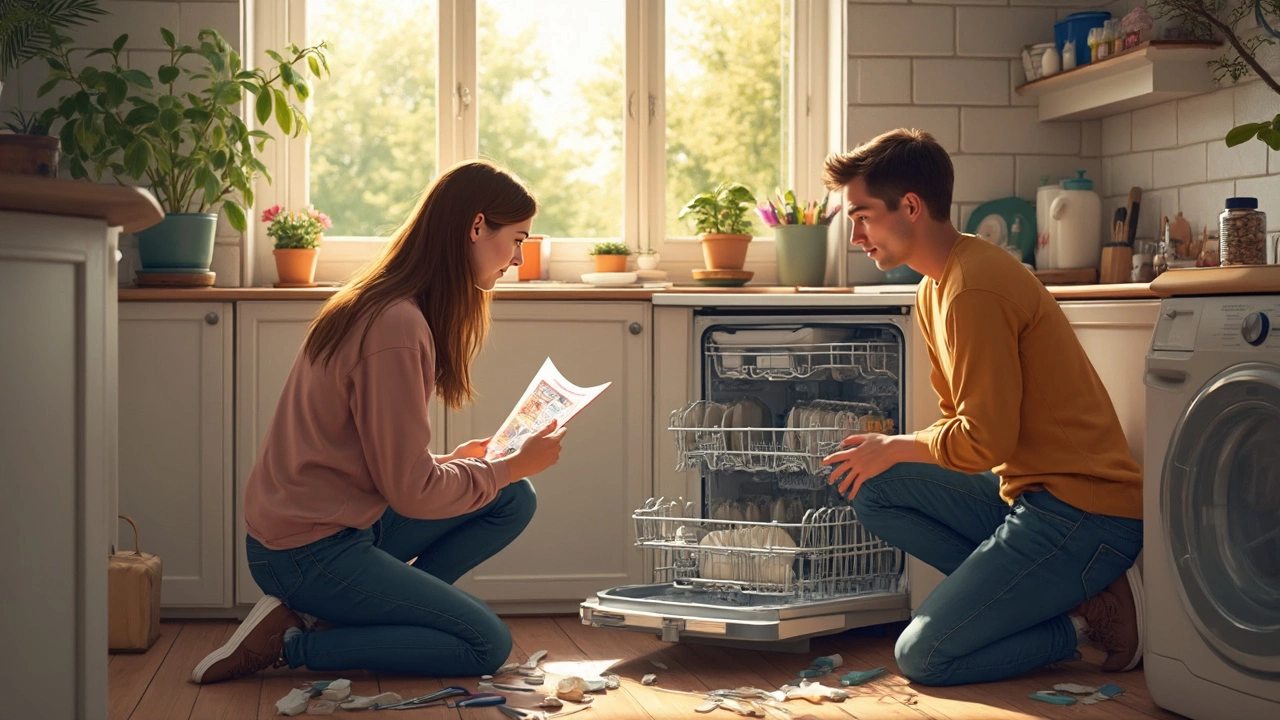
When your dishwasher starts acting up, a quick, accurate diagnosis can save you from bigger headaches and pricey repairs. This article walks through simple methods to spot dishwasher problems, from weird noises to stubborn leaks. You'll learn what to check first, how to tell if it's a DIY fix, and when it's time to call in a pro. Handy tips and real-life examples make this guide easy to follow, even if you're not a born handyman. Don't let a small hiccup become a kitchen disaster — know what to look for and act fast.

Annoyed by standing water at the bottom of your dishwasher? This article breaks down why your dishwasher isn't draining, what can cause it, and how to troubleshoot the most common issues. Learn about clogged filters, garbage disposal connections, and more. I'll also share some handy tips to help you prevent problems in the future. Whether you're a first-timer or have dealt with dishwasher headaches before, you’ll find practical advice here.
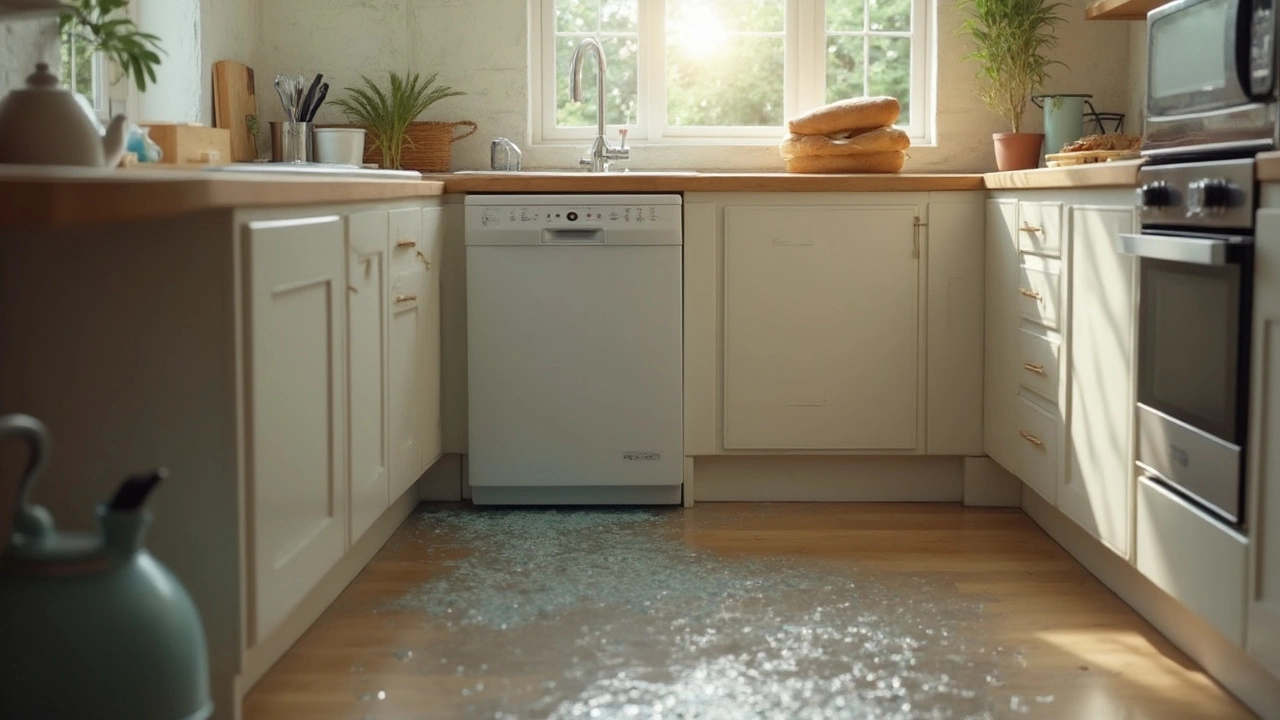
Dishwashers are a staple in modern kitchens, but they often face common issues. So, what's the most frequent problem users encounter? This article dives into typical faults like drainage issues and proposes practical solutions. Understand why your dishwasher might not clean effectively and learn simple DIY fixes to keep it in top shape. By addressing these issues, you'll ensure your dishwasher runs smoothly for years to come.

Ever opened your freezer to find squishy ice cream or thawed food when it should be rock solid? This article digs into the real reasons your freezer refuses to stay frozen, from simple mistakes to sneaky mechanical fails. Learn how to spot common culprits, fix minor issues yourself, and know when things are actually serious. Packed with practical tips and straightforward advice, you'll get the cold facts and solutions you need. No jargon, just help you can actually use.
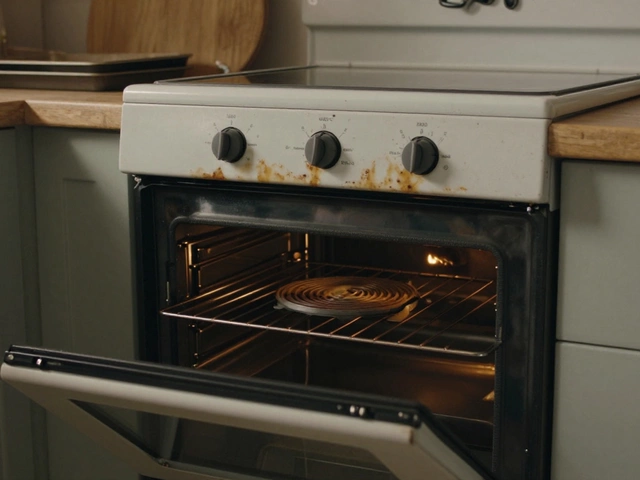
Deciding whether to fix or replace a 20-year-old oven? Learn real repair costs, energy savings, safety risks, and when it’s smarter to buy new. Practical advice for UK homeowners.
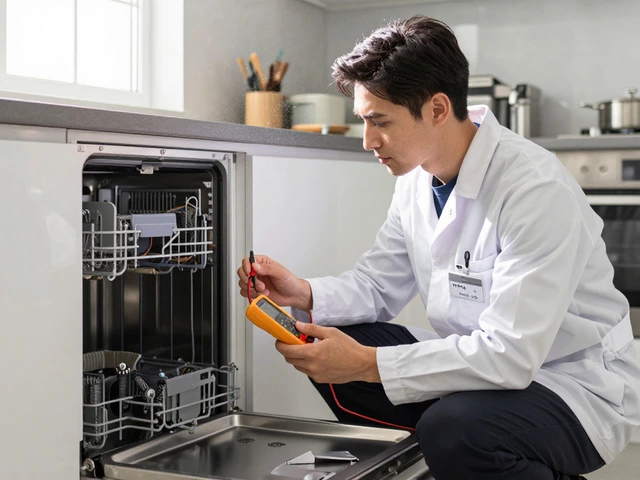
Discover what an appliance specialist really does. From complex diagnostics to safety compliance, learn why hiring a certified expert protects your home and wallet.

Ready to buy a new dishwasher? Check this guide for 2025's most unreliable dishwasher brands, stories you won't believe, and tested buying tips no one else will give you.

Neglecting boiler maintenance can lead to a series of unfortunate events, from reduced heating efficiency to costly breakdowns. A neglected boiler could become a safety hazard, potentially increasing the risk of carbon monoxide poisoning. Regular servicing can enhance your boiler’s longevity, ensuring a warm home environment during cold spells. Discover why these routine check-ups are more crucial than many realize and learn how they can save you from avoidable expenses.