

If your dishwasher is making strange noises, leaving dishes spotty, or smelling funky, you’re probably skipping a few easy upkeep tasks. The good news? A few minutes each month can stop most problems before they need a costly repair.
1. Clean the filter. Open the bottom rack, locate the metal or plastic filter, and pull it out. Rinse under warm water and tap out any food bits. A clogged filter forces the pump to work harder and can cause leaks.
2. Inspect spray arms. Remove the arms (check your manual for a quick removal tip) and rinse them with a toothbrush. Use a thin wire to clear any holes that are blocked by debris. Clear arms mean water reaches every dish.
3. Wipe the door seal. Run a damp cloth around the rubber gasket. If you see mold or buildup, use a mixture of equal parts water and vinegar to scrub it away. A good seal prevents water from escaping and keeps the dishwasher quiet.
4. Run a cleaning cycle. Put a dishwasher‑safe cleaning tablet or a cup of white vinegar on the top rack and run a hot wash with no dishes. This removes limescale, grease, and odor‑causing bacteria.
5. Check the drainage. Make sure the drain hose isn’t kinked and that the sink connection isn’t clogged. A slow drain can leave water at the bottom and cause rust.
Using the wrong detergent is a big culprit. Stick to tablets or powders labeled for dishwashers – regular dish soap creates suds that overflow and damage the machine. Also, avoid over‑loading; dishes need space for water to circulate. If you notice a persistent smell, don’t just spray air freshener inside – it masks the issue. Instead, run the cleaning cycle and clean the filter.
Hard water areas benefit from a water‑softening rinse aid. It prevents mineral spots on glassware and reduces wear on the pump. If you live in a very hard‑water zone, consider installing a whole‑home softener or using a dishwasher‑specific additive.
When something feels off – a leak under the tub, a burning smell, or an error code – it’s time to call a professional. Bognor Regis Appliance Repair Experts can diagnose the problem quickly and get your dishwasher back to work without a hefty bill.
By keeping these simple tasks on your routine, your dishwasher will stay quiet, efficient, and last longer. A few minutes of care now saves you from a costly call later.

When it comes to kitchen convenience, dishwashers are hard to beat. They free up our time, reduce water and energy use, and help keep our kitchenware sparkling clean. But how long should one really expect a dishwasher to last? This article will explore average lifespans, key factors affecting longevity, and practical tips for extending the life of your trusty machine, ensuring you get the most value and efficiency.
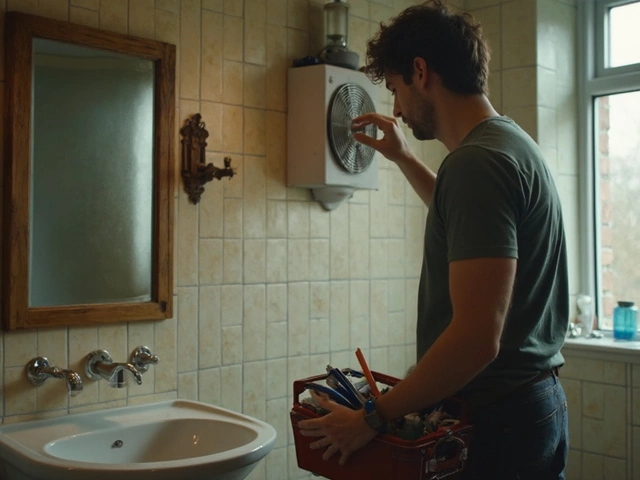
Thinking about swapping out your old extractor fan? This guide digs into how easy (or not) it really is to replace an extractor fan in your bathroom or kitchen. Get the lowdown on what tools you'll need, common surprises people miss, and what makes some fans trickier than others. If you're not sure when to call in a pro, we've got your back there, too. Get ready for a clear, no-nonsense breakdown.

Find out how much boiler repair costs in 2025, what factors affect the price, typical price ranges, and tips to get fair quotes and save money.
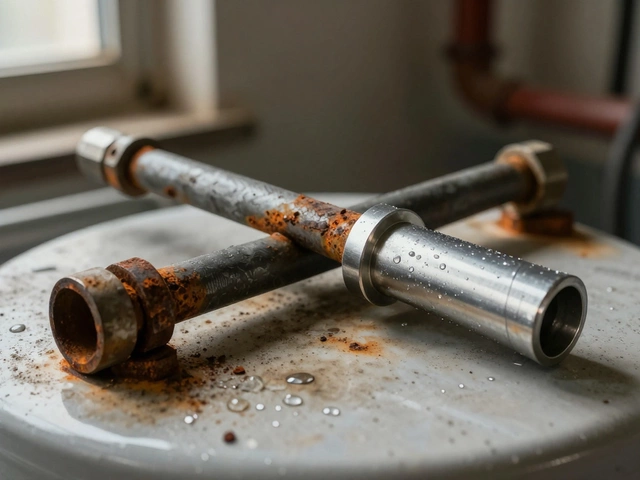
Replace your water heater's anode rod every 1-2 years in hard water areas to prevent tank corrosion. A simple £20 part can save you hundreds in repairs.
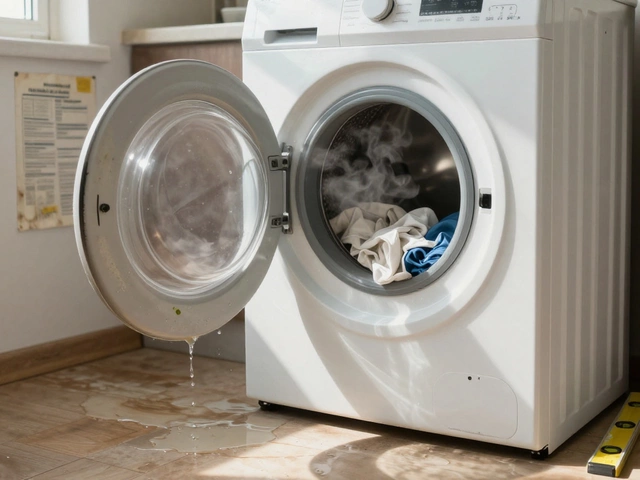
Most washing machines last 8-12 years, but signs like loud noises, leaks, or error codes mean it's time to consider repair or replacement. Learn how to extend its life and when it's better to buy new.
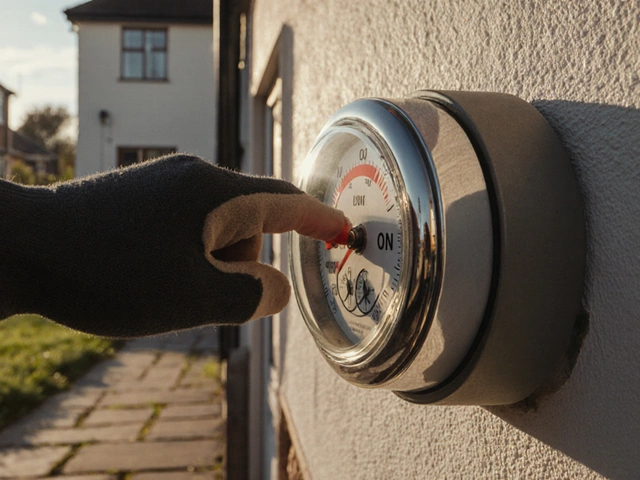
Learn why all your gas appliances might stop working, how to safely troubleshoot common issues, and when to call a Gas Safe engineer.