

Ever opened your oven and saw nothing but cold air? Or maybe it sparks and shuts off mid‑bake? Those glitches are frustrating, but most of them have a clear cause you can identify without guessing. Let’s walk through the usual suspects and show you how to test each one before you dial a repair tech.
The first question is whether the heating element is getting power. Turn the oven on to a high temperature and listen for a faint click – that’s the thermostat engaging. If you hear nothing, unplug the oven, remove the back panel and check the element with a multimeter. A reading of zero or infinite resistance means the element is burnt out and needs replacement. You can buy a matching part online and swap it in under an hour with just a screwdriver and a pair of gloves.
When the oven gets hot but the set temperature is off, the thermostat or temperature sensor is likely at fault. Most modern ovens use a thermistor – a small probe that feeds temperature data to the control board. Locate the sensor (usually a thin metal rod near the back wall), disconnect it, and test its resistance at room temperature. A healthy sensor should read around 1 kΩ; anything far off suggests it’s dirty or broken. Cleaning the probe with a soft brush often fixes the issue, but replace it if the resistance is still wrong.
Another common culprit is the oven door seal. A warped or cracked gasket lets heat escape, making the oven work harder and causing uneven cooking. Close the door and feel for drafts; if you notice air leaking, order a new seal that matches your model and snap it into place.
Electronic ovens store error codes that point directly to faulty components. Check the manual or the inside of the door for a quick reference chart. A code like “F10” usually means a problem with the main control board, while “F15” points to a temperature sensor issue. Reset the oven by turning off the circuit breaker for a minute, then restore power. If the code returns, it’s time to replace the indicated part or call a certified electrician – especially if the board is involved.
While you’re at it, inspect the wiring harnesses for burnt spots or loose connections. A simple wire clamp can prevent intermittent power loss that triggers shut‑offs.
If you’ve checked the element, sensor, door seal, and wiring and the oven still misbehaves, it’s probably a deeper electronic problem. Gas ovens add another layer of safety – a faulty igniter or gas valve should never be DIY‑handled. In those cases, call a qualified appliance repair service. They have the tools to test gas pressure, replace ignition components, and certify the work is safe.
Remember, regular maintenance makes these issues rarer. Clean the oven after each use, keep the door seal free of food debris, and run a quick self‑diagnosis with the built‑in test mode (if available) every few months. A little attention now saves you time, money, and a cold dinner later.
Got an oven that’s acting up? Start with the simple checks above, and you’ll often pinpoint the problem before the tech arrives. If you need a spare part or a quick replacement, our team in Bognor Regis can source the right component and get you back to baking in no time.
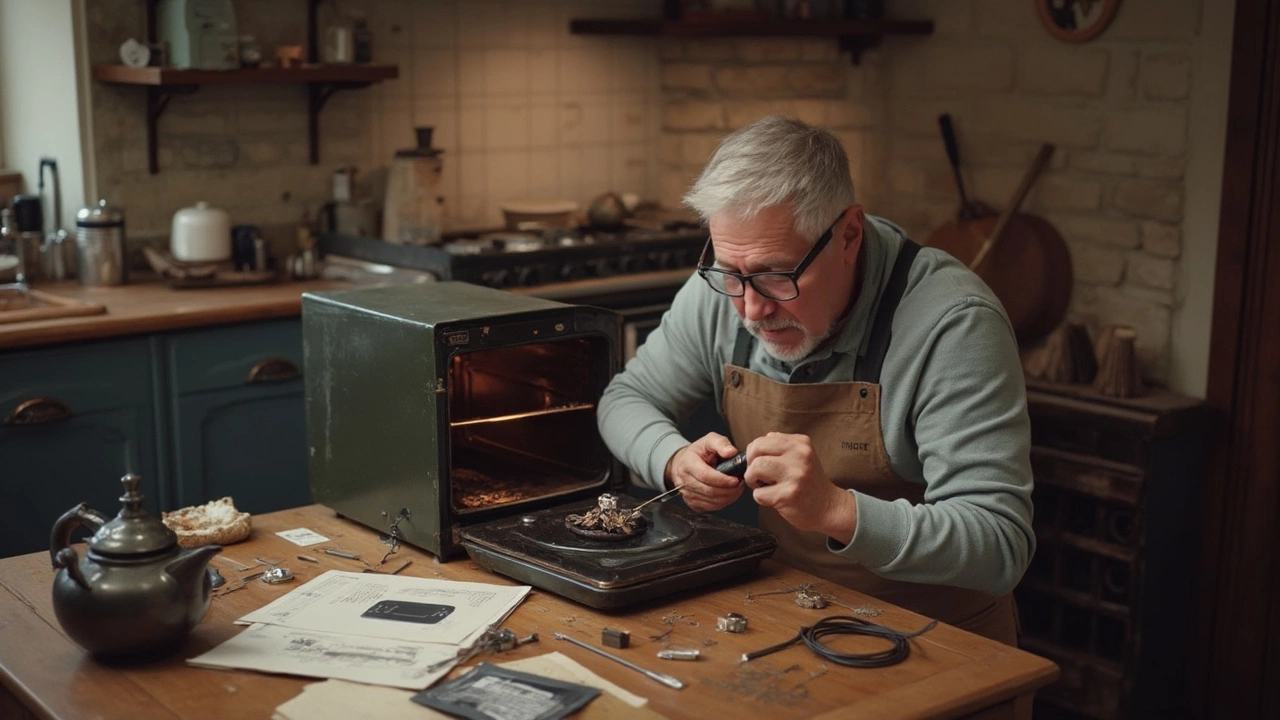
Oven troubles can throw a wrench in your meal plans. From a faulty heating element to problematic door hinges, diagnosing oven issues doesn't have to be daunting. This guide helps you identify and address common electric oven problems. Learn when a DIY fix is safe and when it's time to consult a professional. Simple steps and practical tips get you on your way to a working oven.
Understanding whether an electrician can repair your extractor fan might save you time and hassle. Dive into the nitty-gritty of what electricians can do for your fan problems, and get tips on how to maintain these helpful appliances. This guide covers the skills electricians bring to the table and when a specialist might be needed. Stay informed and prepared for any fan-related issues that might come your way.
An electric oven is a staple in most kitchens, used for everything from baking cookies to roasting savory meals. Knowing how long an electric oven is expected to last can help homeowners budget and plan for replacement or repairs. This article explores the average lifespan of electric ovens, factors influencing their durability, and tips on maintenance to extend the life of the appliance. Understanding these aspects will aid in maximizing the utility and performance of your oven.

Wondering how often you should replace your extractor fan? This article covers extractor fan lifespan, signs it's time for a change, maintenance tips, and why fresh air matters.
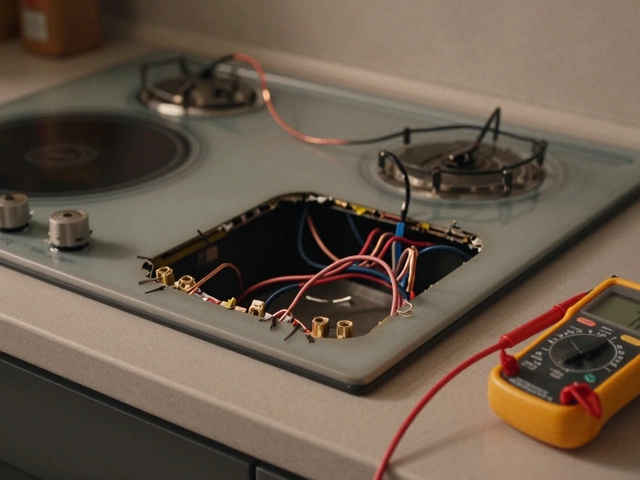
Replacing an electric hob isn't a DIY job. In the UK, it requires a qualified electrician for safety, legal compliance, and insurance reasons. Here's what you need to know before swapping your hob.

Discover practical solutions to restore hot water in your shower with ease. Learn about common problems affecting water heaters and the steps to troubleshoot each issue. This guide will walk you through changing settings, checking components, and knowing when to call a pro. Take control of your hot water system and enjoy a soothing shower experience once again. Ideal for homeowners facing frustrating lukewarm showers.