

Got a broken cooker, a cold fridge, or a noisy washing machine? You don’t have to rush to buy a new one. A lot of common faults can be fixed for pennies if you know the right steps. Below you’ll find straight‑forward advice that helps you decide when to roll up your sleeves and when calling a pro saves you cash in the long run.
First, figure out if the problem is something you can safely tackle. Simple parts like a faulty oven element, a broken hob burner, or a loose extractor fan are perfect DIY projects. Our guide on How to Replace an Oven Element Yourself walks you through the tools you need, safety checks, and the exact steps to get that oven heating again. If the fix only involves unplugging a connector or swapping a cheap part, you’ll likely spend under £20 and finish in under an hour.
On the other hand, anything involving gas, high voltage, or sealed systems (think boilers or heat pumps) is best left to a qualified engineer. Trying to fix a gas boiler yourself can be dangerous and could end up costing more if you damage it further. In those cases, a quick call for a professional quote often ends up cheaper than a botched DIY job.
Here are three fast fixes that pop up in many of our articles and can extend the life of your appliances:
1. Clean the coils and filters. A fridge that’s running but not cooling usually just needs a coil clean. Dust on the back or bottom coils makes the compressor work harder, leading to higher electricity bills and eventual breakdown. Grab a vacuum brush, turn the fridge off, and give those coils a good wipe.
2. Reset thermostats and sensors. Hot water not heating? Often a simple reset of the water heater’s thermostat does the trick. Our piece on Common Reasons Why You Keep Resetting Your Water Heater explains how to check for faulty sensors before calling a plumber.
3. Replace worn seals and gaskets. The dishwasher and washing machine both rely on good seals to keep water where it belongs. Over time the rubber can crack, causing leaks and noisy cycles. Swapping the seal is cheap—usually under £15—and it stops water damage and saves you from a costly service call.
When you spot a problem, do a quick online search for a step‑by‑step guide. Most of the posts on this tag, like the guide on fixing a stuck heat pump or swapping a kitchen extractor fan, break the process down into bite‑size actions you can follow.
Remember, the goal isn’t just to avoid buying a new appliance; it’s to keep the old one safe and efficient. A well‑maintained fridge, oven, or washing machine uses less energy, which means lower utility bills too.
If you ever feel stuck, a short phone call to a local repair service can give you a clear price before any work starts. Knowing the exact cost lets you compare the repair price with the cost of a new unit, helping you make a truly cost‑effective decision.
In short, a little knowledge and a few basic tools go a long way. Check the simple fixes first, follow the step‑by‑step guides, and call a pro only when needed. You’ll keep your appliances humming and your wallet happy.

Deciding whether to repair an electric oven after five years can be tricky, especially with advancing technology and evolving household needs. This article explores the practical aspects of oven repair, including cost-benefit analyses, common issues, and DIY tips to help inform your decision. By understanding key factors like repair costs versus replacement options, you can make an informed choice. Learn how to assess the condition of your oven and get tips on when professional help might be needed.

Extractor fans are crucial for maintaining fresh air and reducing humidity in various parts of a home. When these fans malfunction, it's important to know who to call for repairs. This article guides homeowners on how to find reliable extractor fan repair services. We'll look at why professional help is essential and what to consider when selecting a repair technician.

When your fridge stops cooling, it can be a real worry, especially with all that food at risk. Before you call the repairman, there are a few steps you can try yourself to bring your refrigerator back to life. From checking the thermostat settings to cleaning coils and examining door seals, you might find that a simple DIY fix does wonders. Understanding how these appliances work can also help prevent future hassles. This guide will walk you through the essential tips and tricks to get your fridge cooling again.
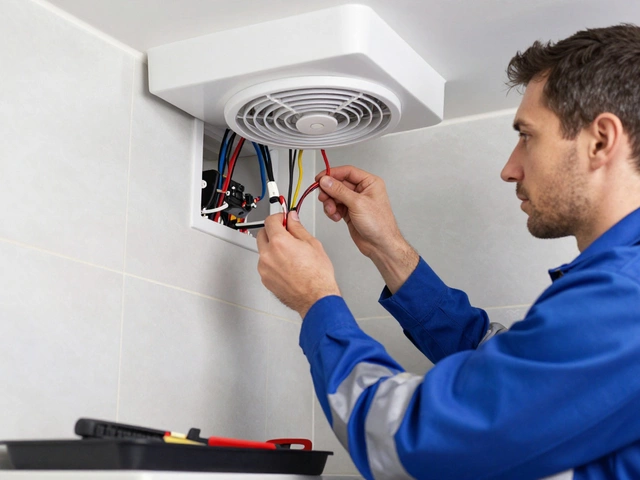
Discover which tradesperson fits an extractor fan. Learn when to hire an electrician vs. a plumber for safe, compliant UK installations.
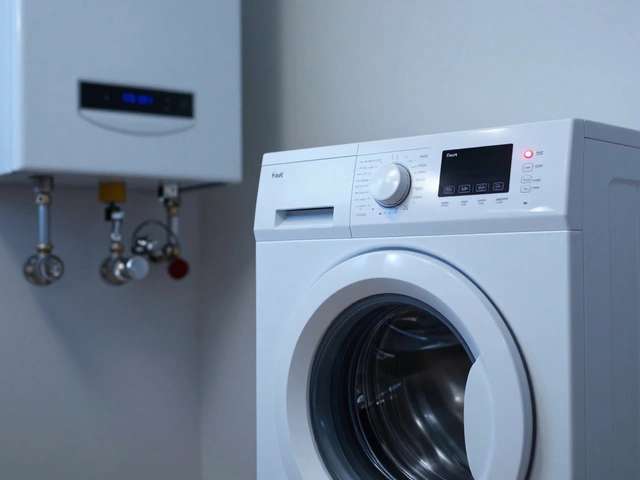
Find out if your washing machine works when the boiler is broken. Learn about cold water cycles, potential errors, and tips for UK homes.

Cracks in electric hobs can show up suddenly and cause real headaches in the kitchen. This article looks at why electric hobs crack, from common mistakes to sneaky issues with installation. You'll get practical tips on how to prevent damage and handle minor cracks. Find out when you can fix a hob yourself and when it's smarter to call for professional help. Stay ahead of costly repairs and keep your cooking space safe.