

If you’ve ever seen a rusty patch on a washing machine drum or a white crust inside a fridge, you’ve met corrosion. It’s the slow eating away of metal caused by moisture, chemicals or salty air. In the UK’s coastal towns, like Bognor Regis, the salty breeze can speed up the process, turning a good appliance into a costly replacement faster than you expect.
Corrosion isn’t just an eyesore. It can weaken structural parts, cause leaks, and even short‑circuit electrical components. The result? A dishwasher that won’t pump, an oven that won’t heat, or a water heater that leaks. Spotting it early can save you time, money, and a lot of hassle.
Knowing what to look for makes a huge difference. Here are the most common clues:
When you notice any of these, it’s worth checking the surrounding area for excess moisture. Leaky pipes, condensation, or even a damp kitchen floor can create the perfect environment for corrosion to thrive.
Prevention is cheaper than repair, so start with a few simple habits:
If you already have rust, you can often fix it yourself:
For electrical components or sealed units like water heaters, it’s safer to call a professional. Trying to repair a corroded heating element without the right tools can be dangerous and might void warranties.
At Bognor Regis Appliance Repair Experts we see corrosion every day, from old washing machines to brand‑new ovens that sit near a kitchen sink. Our technicians know how to strip away rust, replace damaged parts and apply protective finishes that keep your appliances running longer.
Bottom line: keep moisture at bay, clean regularly, and don’t ignore the first hint of rust. A little attention now means fewer breakdowns later, and your appliances will thank you with years of reliable service.

Not sure if your water heater's anode rod is shot? This article breaks down the telltale signs that your anode rod is past its prime, from weird smells to rusty water. Find out how long these rods actually last, why they're so important, and how to check them yourself. With some simple tips, you'll spot trouble before it wrecks your tank. Get the facts so you can keep hot water flowing without a nasty surprise.

Electric stoves are a staple in many kitchens, but how long can you expect them to last? This article delves into the average lifespan of an electric stove and what factors can influence its longevity. Discover maintenance tips that can help extend its life and recognize signs when repairs or replacements might be necessary. This guide aims to empower you with insights into prolonging the efficiency of your kitchen's electric stove.

Navigating the world of cooker repair can seem daunting, but armed with the right knowledge, it becomes manageable. This article explores common issues faced by cookers, signs that suggest whether repair is possible, and steps on how to approach fixing these vital kitchen appliances. By identifying whether a do-it-yourself fix is feasible or when to call in a professional, you can make informed decisions about your cooker. Learn about maintenance tips to prolong the life of your cooker and keep it working efficiently.

Want to know how much Geek Squad at Best Buy will charge for fixing your laptop? This article breaks down their pricing and services, so you know exactly what to expect before you hand over your device. You'll learn what affects the cost, whether a protection plan is worth it, and get the lowdown on real-life repair scenarios. Plus, there are tips to help you save some cash or avoid common headaches. No tech jargon or fancy lingo—just straight answers.

Extractor fan acting up? If you’re wondering who handles extractor fan replacement, this article breaks it down. Learn the difference between calling a pro and tackling it yourself, get tips on when to fix or swap out a fan, and find out what skills and tools make the job smooth. Real, practical advice from someone who's been around finicky fans and quick fixes. Don’t let poor ventilation keep bothering you—get the facts and decide what works best.
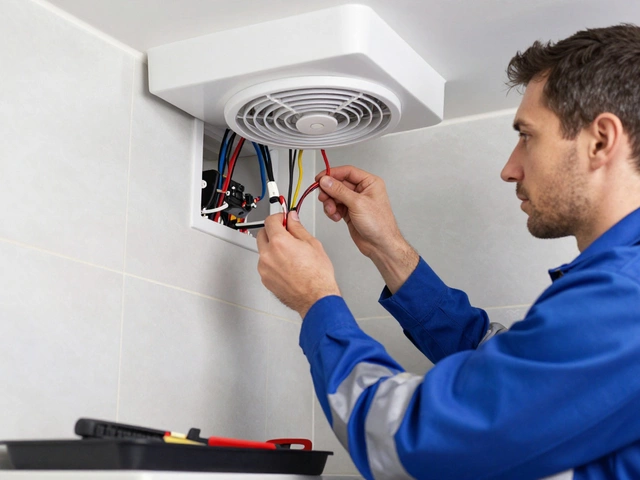
Discover which tradesperson fits an extractor fan. Learn when to hire an electrician vs. a plumber for safe, compliant UK installations.