

If your cooker has stopped heating, makes strange noises, or the timer won’t work, you’re probably wondering how much the fix will set you back. The answer isn’t one‑size‑fits‑all – it depends on the fault, the type of cooker, and who you call. Below we break down the main cost drivers, give you a realistic price range, and help you decide whether a DIY approach makes sense.
1. Type of cooker – Gas, electric or dual‑fuel units all have different components. Replacing a simple electric heating element usually costs less than fixing a gas ignition system.
2. Nature of the fault – A loose connection or blown fuse can be a quick 30‑minute job, while a cracked oven door seal or a faulty thermostat may require parts and more labour.
3. Age of the appliance – Older models often need hard‑to‑find parts, which can push the price up. If the cooker is more than 10‑12 years old, technicians might suggest replacement instead of repair.
4. Location and call‑out fee – Many repair services charge a fixed call‑out fee (usually £40‑£60) that covers travel and diagnosis. Some companies waive this fee if you go ahead with the repair.
5. Brand reputation – Premium brands like Smeg or Bosch can have higher part costs than more generic brands.
Putting those together, a typical repair falls into three buckets:
Before you pick up a screwdriver, ask yourself three questions: Is the problem safe to tackle? Do you have the right tools? Will fixing it yourself actually be cheaper than a pro’s quote?
If the issue is a simple element replacement, many people can do it in an hour with a basic set of spanners. You’ll pay only for the part (£20‑£50) and maybe a few pennies for a new gasket. Online videos show exactly where the element sits and how to disconnect it safely.
Gas‑related problems are a different story. Working with gas pipes without certification is illegal in the UK and can be dangerous. Even if you’re comfortable turning a knob, a certified Gas Safe engineer is required for any work that involves the gas valve or burner.
When the repair involves electronic control boards or sealed units, the risk of further damage rises. Those parts often need specialised tools to test and replace. In those cases, a qualified appliance technician will finish the job faster and guarantee the work.
One practical tip: get a written estimate that breaks down labour and parts. Compare that with the cost of the part plus your time. If the labour is more than the part price, it’s usually worth letting the pro handle it.
Lastly, keep receipts and ask for a warranty on the repair. A good service will cover parts for at least six months, giving you peace of mind if the issue reappears.
Bottom line: minor electrical fixes can be DIY-friendly and cheap, but gas or complex electronic faults are best left to certified professionals. Knowing the typical price ranges and what influences them helps you budget wisely and avoid surprise bills.

Thinking about repairing your cooker? This guide covers repair costs, when to fix or replace, and expert tips to help you decide what's best.

Boiler servicing is an essential aspect of home maintenance that ensures safety and efficiency. While it might seem tempting for homeowners to attempt servicing their own boilers, it's crucial to understand the complexities and risks involved. This article explores whether boiler maintenance can be a DIY project, providing key tips and insights. It offers guidance on what aspects are safe to handle on your own and when to call in a professional.
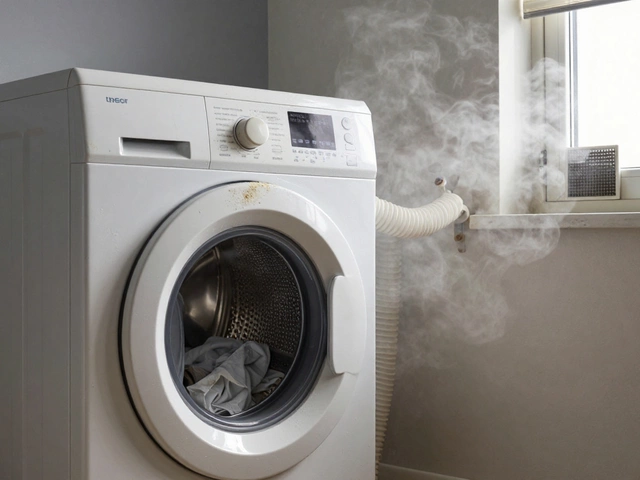
Most tumble dryers last 8-13 years, but poor maintenance can cut that in half. Learn the signs your dryer is failing, when to repair vs replace, and how to make it last longer.
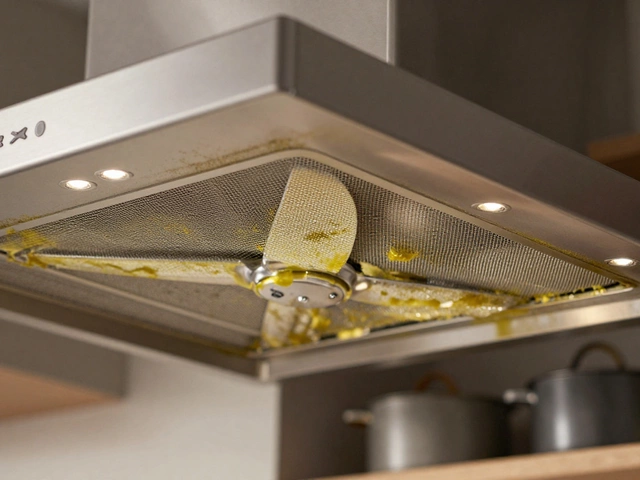
Discover if extractor fans wear out and learn their average lifespan. Identify signs of failure like noise and reduced airflow, and find out when to repair or replace your unit.

Learn how to diagnose a failing hot water heater thermostat with this expert guide. Spot the signs, use a multimeter for testing, and find out when to replace it.

Searching for a trusty electric oven can make a big difference in your cooking experience and lessen repair issues. This article uncovers the top-performing brands known for reliable electric ovens, sharing insights on what makes these brands stand out. From innovative features to energy efficiency, you'll learn tips on choosing the right oven and maintaining it for long-lasting use. Whether you're shopping for a new appliance or fixing an old one, this guide shines a light on the best options available today.