

When you hear Compressor Replacement Cost, the total amount you’ll pay to swap a broken compressor in a home appliance. Also known as compressor repair price, it combines the price of the part itself, the labour to take it out and the expertise required to get it working again.
Understanding the cost means looking at the main pieces that make up the bill. Compressor replacement cost includes parts price, labour fees, and any additional service charges. A faulty compressor is a common failure point in many appliances, so the cost often reflects the complexity of the job. For instance, a refrigerator compressor is a sealed unit that usually costs between £80 and £200, while an air‑conditioner compressor can run £150 to £300. The labour to remove, test, and reinstall the part adds another £80‑£150 depending on the technician’s skill level and the appliance’s design.
When you talk about the part itself, you’re dealing with several related entities. A refrigerator compressor, the motor that circulates refrigerant through the cooling system of a fridge is built to last 10‑15 years, but sealing leaks or overheating can force an early replacement. An air‑conditioner compressor, the heart of a split or window unit that compresses refrigerant to create cool air often faces higher temperatures and may need a more robust model, pushing the part price up. Even a heat‑pump compressor, the component that moves heat from outside to inside in a heat‑pump system follows the same pricing logic, though the system’s size can cause big swings in the final number.
Age of the appliance matters a lot. Older units tend to have hard‑to‑find parts, which can drive the price up by 20‑30 %. Newer models often use proprietary compressors that require a dealer‑approved technician, adding a premium for specialist labour. Warranty status is another big factor; a valid warranty can shave the entire part cost off the bill, leaving you only with a nominal service fee. If the warranty has expired, you’ll pay the full price, but many repair shops offer a “parts only” discount if you’re comfortable handling the removal yourself.
Location and the type of service provider also shape the final amount. Independent repair technicians in Bognor Regis typically charge lower rates than national chains, but they may not have the same stock of OEM parts. That’s why it’s worth asking whether a refurbished compressor is an option—refurbished units can be 40‑50 % cheaper and still meet performance standards when installed by a qualified professional.
Labour time is easy to estimate once you know the appliance type. A fridge compressor swap usually takes 1‑2 hours, while an air‑conditioner unit might need 2‑4 hours because of additional refrigerant handling regulations. Some technicians bundle the refrigerant recharge into the labour charge, while others list it separately, so always ask for a detailed breakdown before you sign off.
Beyond the immediate cost, consider the long‑term impact on energy efficiency. A new, high‑efficiency compressor can cut electricity use by up to 15 %, which translates into lower utility bills over the life of the appliance. That future saving can offset a higher upfront price, especially for larger systems like heat pumps.
Finally, don’t overlook hidden fees such as disposal of the old compressor, travel charges for emergency calls, or after‑hours rates. These extras can add £20‑£50 to the invoice but are usually one‑time costs.
Putting all these pieces together gives you a clear picture of why compressor replacement cost can vary so widely. In the list below you’ll find detailed guides on diagnosing compressor failures, comparing DIY versus professional repairs, and tips for negotiating the best price with local technicians. Whether you’re dealing with a fridge, an air‑conditioner, or a heat‑pump, the articles ahead break down each factor so you can make an informed decision and avoid surprise charges.
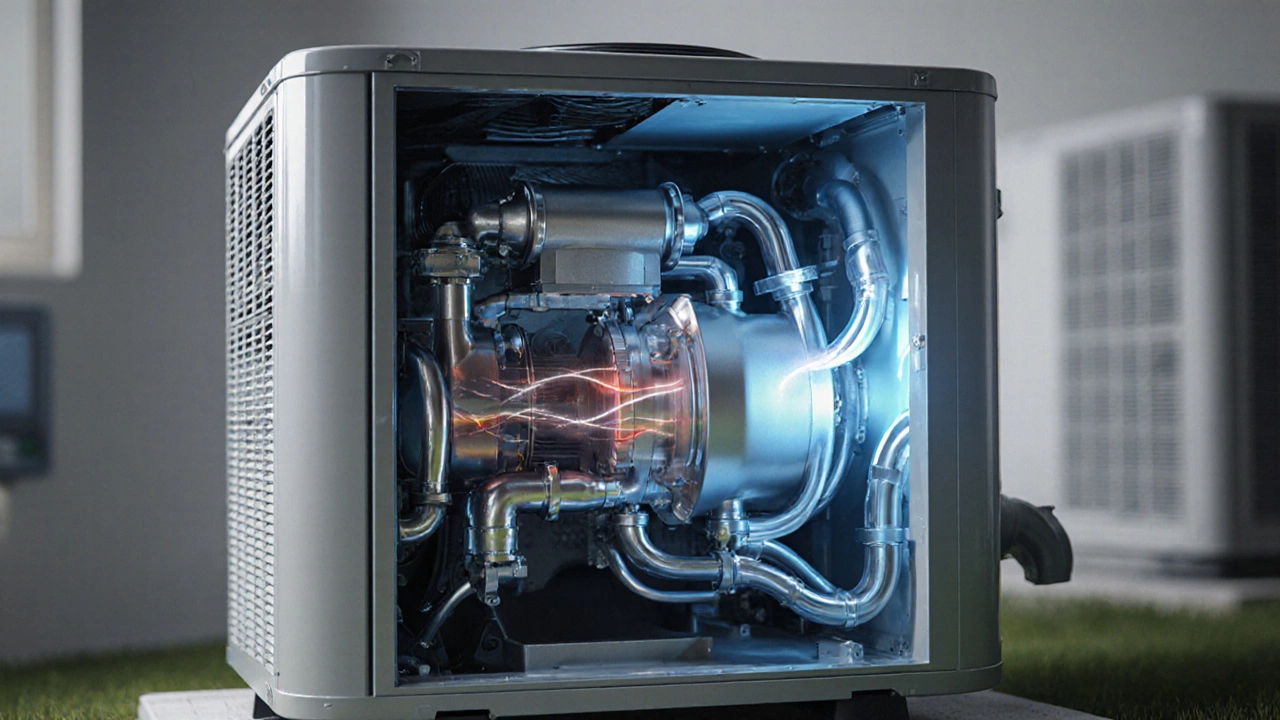
Find out the 2025 price range for heat pump compressors, what factors affect cost, how to get accurate quotes, and whether DIY or professional installation is best.

Ever found yourself standing in front of a stubborn washing machine that just won’t cooperate? It can be frustrating, right? This practical guide walks you through the simple steps to reset your washing machine, saving you from unnecessary headaches. From spotting common issues to quick fixes, you'll find all you need to get your washer back on track.

Experiencing no hot water in the shower can be frustrating, especially on cold mornings. This article provides practical solutions to diagnose and resolve common issues with your water heating system. From checking simple things like the thermostat to identifying more complex issues like a faulty heating element, you'll learn how to get back to enjoying a warm shower.
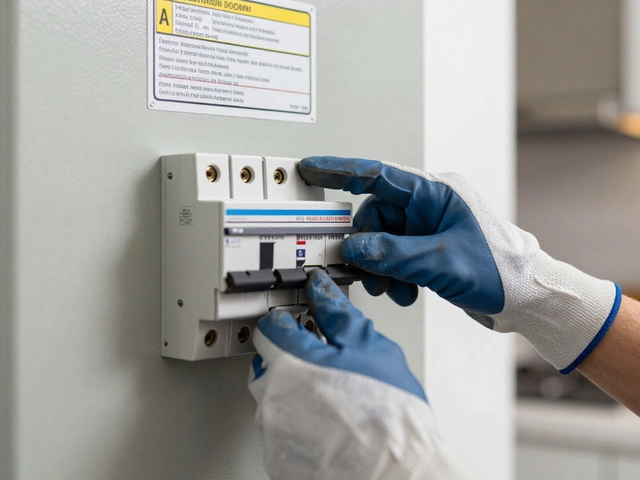
Learn how to safely fix a burnt electric hob by checking the element, testing with a multimeter, replacing parts, and preventing future damage. Avoid fire risks with these step-by-step tips.

Ever wondered how long your trusty range oven will last? On average, a well-maintained range oven can serve you for about 10 to 15 years. Routine cleaning and minor repairs can help extend its lifespan. Knowing when to repair or replace your oven is crucial for efficiency and safety. Read on for practical tips to make sure your oven lasts as long as possible.

Cracked or damaged glass hobs make you panic, but not every problem spells doom for your stove. This article breaks down what issues can actually be fixed and when it's smarter to replace the glass. You’ll get real-life tips, possible repair options, and clear warnings for common mistakes. Safety comes first, but you’ll also find out when you can handle things yourself—or absolutely need a pro. Practical info, simple steps—you’ll get the full story on glass hob repair.