

If your washer is acting up, you’re not alone. Most households deal with a spin‑cycle hiccup, a leak, or a stubborn stink at some point. The good news? Many of these problems are easy to spot and fix without calling a pro.
The first thing to check is the load. Over‑stuffed drums or uneven items (like a single big blanket) can throw the machine off balance, causing it to stop spinning. Give the load a quick reshuffle and try again.
If the load looks fine, look at the pump filter. A buildup of lint, coins, or hair can block water flow, so the washer will fill but never drain. Most models have a small access panel near the bottom; open it, place a shallow tray underneath, and pull out the filter. Clean it under running water and pop it back in.
Another common culprit is a clogged drain hose. Over time the hose can kink or collect debris. Detach it (make sure the water is off), blow through it or run water from a garden hose to clear any blockage, then reconnect securely.
When the machine still won’t spin, the lid switch might be faulty. This safety switch tells the washer when the door is closed. If it’s broken, the motor won’t engage. Test it with a multimeter or, if you’re not comfortable, replace the switch – it’s a cheap part and usually a simple snap‑in.
Leaking water often points to a worn‑out door gasket. Pull the rubber seal back gently and inspect for cracks or foreign objects. Clean any debris with a damp cloth, and if the gasket looks shriveled, replace it – most retailers sell a universal kit.
Strange noises can come from a few places. A thumping sound usually means an object (like a loose coin) is stuck in the drum. Stop the cycle, open the door, and give the drum a gentle shake to dislodge it.
Squeaking or grinding during the wash often signals a worn belt or motor bearing. Unplug the machine, remove the back panel, and inspect the belt for fraying. If it’s soft or cracked, replace it. Bearings are trickier; if they’re the source, it’s best to call a technician.
Foul odors are usually caused by mildew buildup in the detergent drawer or behind the drum. Pull out the drawer, soak it in hot, soapy water, and wipe the drum’s edge with a cloth. Running a hot wash (90°C) with a cup of white vinegar once a month helps keep the interior fresh.
Lastly, if the machine won’t start at all, check the power supply. A tripped circuit breaker or a loose plug can be the issue. Reset the breaker and ensure the plug is snug. Some washers also have a reset button on the control panel – give it a press after a power cycle.
By tackling these common issues yourself, you’ll save time and money. Keep a simple maintenance routine – clean the filter, run a hot cycle monthly, and check hoses for wear – and your washer should stay reliable for years. When a problem feels beyond a quick fix, don’t hesitate to call a local repair expert to avoid bigger headaches down the line.
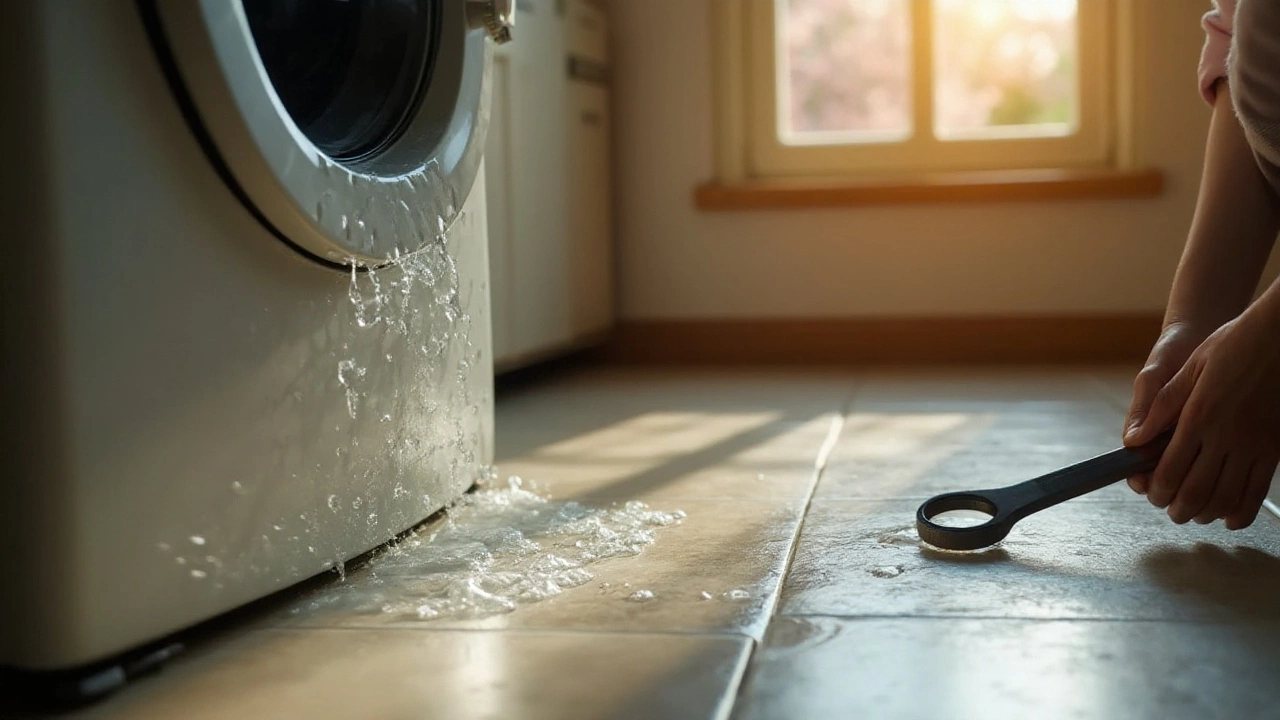
Washing machines are among the most used household appliances, making them prone to various problems over time. This article explores the most frequent issues like leaks, drainage problems, and strange noises. Understanding these problems can help in diagnosing issues quickly and considering effective repairs. The article also offers helpful tips to maintain your machine and keep it running efficiently for years. Simple maintenance steps can prevent most common problems from occurring.
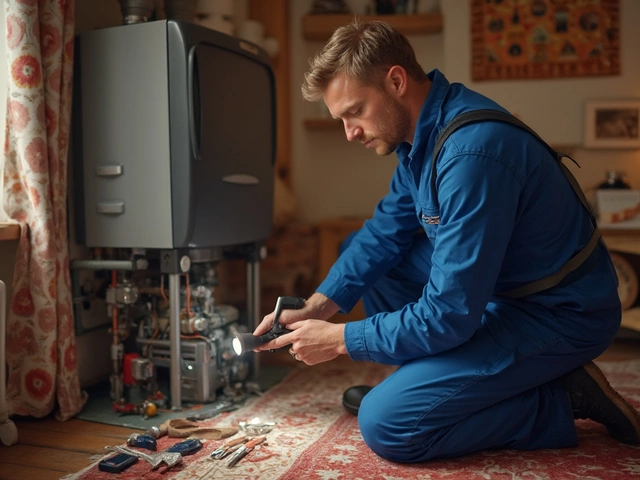
Regular boiler servicing is crucial to ensure safety and efficiency in home heating systems. A comprehensive service involves thorough inspections and cleaning, enhancing performance and extending the lifespan of the unit. Areas covered include checking the burner, inspecting the flue, and ensuring controls work correctly. Routine servicing helps prevent breakdowns and identifies potential issues early. Understanding what's involved can help homeowners make informed decisions and maintain reliable heating.
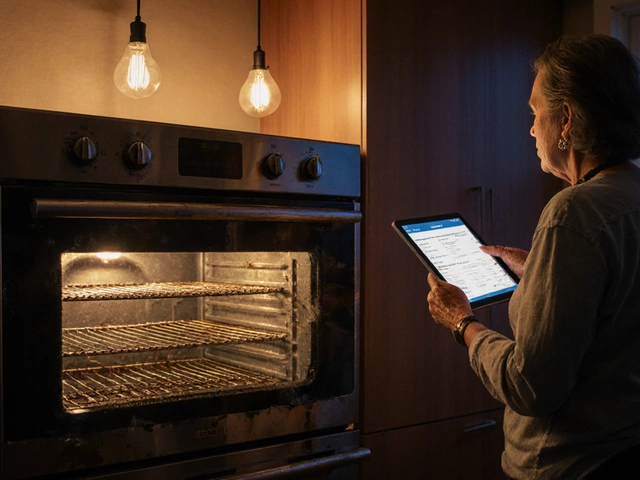
Find out when fixing a 15‑year‑old oven makes sense, compare repair costs with buying new, and learn safety, energy and environmental factors to help you decide.

When your fridge stops cooling, it can be a real worry, especially with all that food at risk. Before you call the repairman, there are a few steps you can try yourself to bring your refrigerator back to life. From checking the thermostat settings to cleaning coils and examining door seals, you might find that a simple DIY fix does wonders. Understanding how these appliances work can also help prevent future hassles. This guide will walk you through the essential tips and tricks to get your fridge cooling again.

Curious about what counts as an appliance? Get concrete examples, clever tips, and practical facts about home appliances to make smart choices for your household.
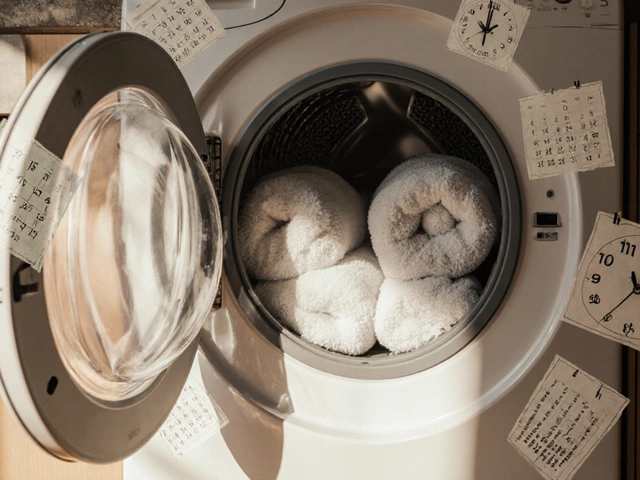
Learn how long vented, condenser and heat‑pump tumble dryers typically last, what factors affect their lifespan, and how regular maintenance can add years.