

If your heat pump isn’t keeping the house cozy or the rooms cool, you’re probably wondering what’s wrong. Most issues are simple enough to spot and often cheap to repair. Below we break down the biggest headaches – from weak warm air to a pump that won’t cool – and give you practical steps you can try before calling a pro.
When the fan runs but the air feels chilly, the culprit is usually one of three things: a clogged air filter, low refrigerant, or a faulty thermostat. A dirty filter blocks airflow, making the unit work harder and reducing heat output. Swap the filter for a clean one and see if the temperature improves.
If the filter is fine, check the thermostat setting. Many users accidentally set the mode to “fan only” or the temperature too high, causing the system to shut off the heating cycle. Reset the thermostat to “heat” and lower the set point a few degrees.
Low refrigerant is trickier – it means there’s a leak somewhere in the sealed lines. You’ll notice frost on the outdoor coil or a hissing sound. This isn’t a DIY fix; call a certified technician to locate the leak, repair it, and recharge the system.
In summer, a heat pump should act like an air‑conditioner. If it runs but the room stays warm, first inspect the outdoor unit. Debris, leaves, or a blocked fan can stop heat exchange. Turn off the power, clear the area, and make sure the fan spins freely.
Next, examine the indoor coil. Ice buildup is a red flag that airflow is restricted or the refrigerant charge is off. Turn the system off for 30 minutes to let the ice melt, then restart. If the ice returns, you likely have a dirty filter or a failing fan motor.Finally, check the condensate drain. A clogged drain can cause the unit to shut down as a safety measure. Use a wet‑dry vacuum to clear any blockage, or pour a cup of bleach down the line to kill mold.
When these quick checks don’t solve the problem, it’s time to call in a professional. They can run pressure tests, check electrical components, and ensure your heat pump runs at peak efficiency.
Keeping a heat pump happy is mostly about regular maintenance: change filters every 1‑2 months, clear the outdoor unit each season, and schedule a yearly service visit. A well‑maintained system lasts longer, uses less energy, and saves you from costly breakdowns.
Remember, if you ever smell gas, see sparks, or hear loud banging noises, shut the unit off immediately and call an expert. Safety comes first, and a trained technician can address dangerous faults safely.
With these tips, you’ll know exactly what to look for when your heat pump acts up. A quick filter swap or a simple coil clean can often restore comfort, letting you enjoy steady heat in winter and cool air in summer without a big bill.

Heat pumps are reliable, but they aren’t perfect. Most people run into the same headache: their heat pump is running, but the air isn’t getting warm (or cool) enough. This article breaks down why this happens, what you can do before calling a pro, and how to keep your heat pump running smoothly. Get to know the main reasons behind weak heat and poor air flow, and pick up easy tips to avoid repeat problems. It’s practical info every homeowner can use.
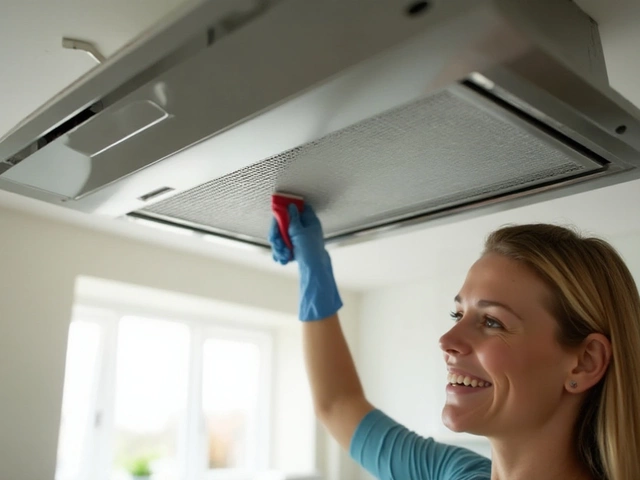
Routine maintenance of extractor fans is crucial to maintaining indoor air quality and ensuring the efficient operation of these ventilation systems. This article explores why servicing extractor fans is important, providing insight into potential problems that may arise if overlooked. Learn how regular upkeep can prevent costly repairs and improve the lifespan of your equipment. Discover practical tips and a step-by-step guide on how to ensure your extractor fan is operating at its best. Keep your home fresh and healthy by understanding the significance of extractor fan servicing.
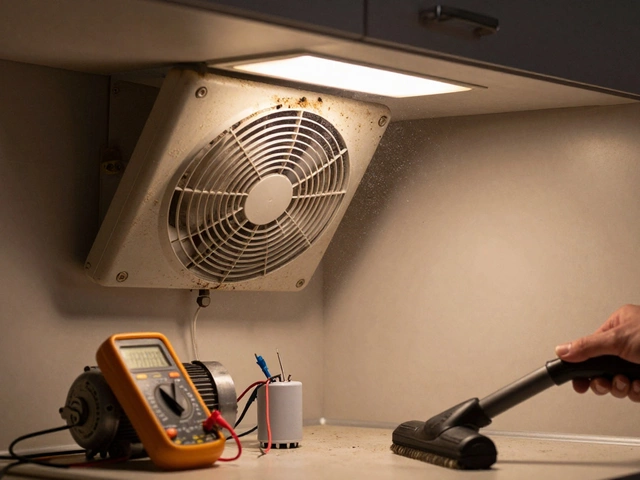
If your extractor fan suddenly stopped working, check the power, capacitor, and airflow first. Most issues are fixable without replacing the unit. Learn how to diagnose and repair common fan failures safely and affordably.

Extractor fans are essential for maintaining good air quality in homes, but what happens when they break down? This article explores whether electricians are the right professionals to fix extractor fans, the typical issues these fans encounter, and some maintenance tips to avoid frequent repairs. Learn about the repair process and when it might be time to replace your fan altogether.
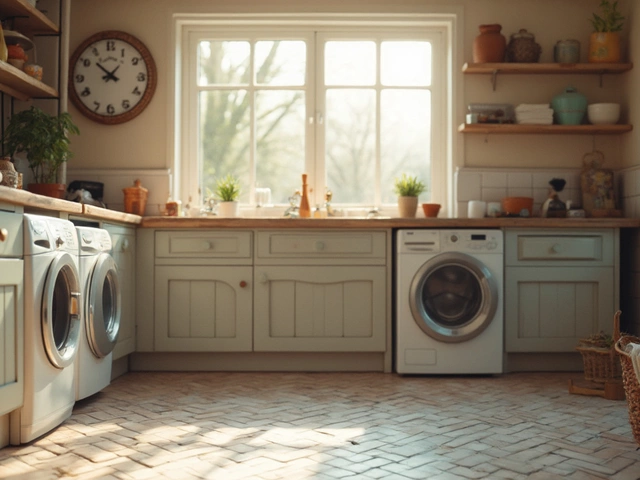
Wondering how long a washing machine should actually last? This article breaks down real averages, points out what causes washers to wear out, and shows simple ways to get more years out of your machine. We’ll look at red flags for replacement, compare old versus new models, and clear up some common myths about washers. If you want your next laundry day to go smoothly—or you’re tired of surprise breakdowns—this guide’s for you.
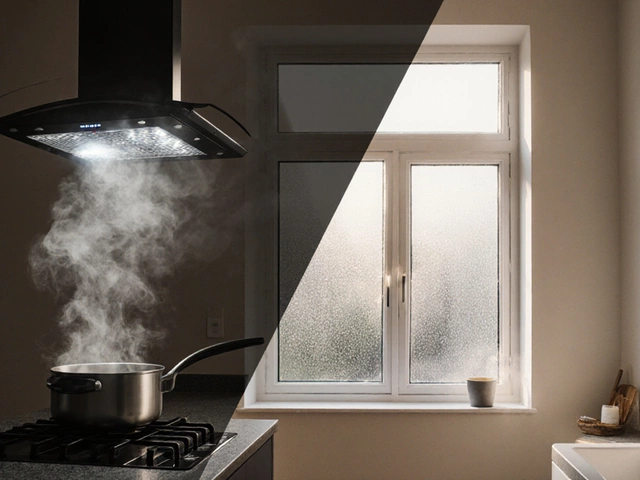
Explore whether you can live without an extractor fan, covering UK regulations, health risks, passive ventilation tricks, dehumidifier use, and when a mechanical fan becomes essential.