

If you’ve ever stepped into a shower expecting steam and got an icy blast instead, you know how annoying a cold‑water problem can be. The good news? Most of the time the fix is simple and you don’t need a full‑blown service call. Below we’ll walk through the most common culprits, quick DIY checks, and signs it’s time to call the experts.
First, think about the source. Is the problem coming from a boiler, an electric water heater, or a combination system? A broken thermostat, a tripped reset button, or sediment build‑up can all stop the heater from delivering hot water. In many homes, the reset button on an electric heater trips because of a short‑circuit or overheating. Pressing it back in after a short cool‑down often restores heat, but if it keeps tripping, the heater may need a deeper repair.
Another frequent offender is a clogged intake valve or a faulty pressure‑relief valve. These parts keep the system balanced; when they fail, the heater can’t ignite properly, leaving you with a lukewarm or cold tap. Also check the gas supply if you have a gas boiler – a shut‑off valve or low‑pressure issue can stop the burner from firing.
Grab a flashlight and open the heater’s access panel. Look for obvious signs of corrosion, loose wires, or a broken thermostat. If you see a reset button, press it once – but only after the unit has cooled for at least 15 minutes to avoid electric shock.
Next, flush the water heater. Over time, mineral deposits settle at the bottom and act as insulation, preventing the heating element from warming the water. To flush, turn off the power or gas, attach a garden hose to the drain valve, and let the water run until it’s clear. This quick maintenance can extend the heater’s life and restore proper heating.
Don’t forget to check your faucet aerators and shower heads. A build‑up of limescale can restrict hot water flow, making it feel cooler than it actually is. Unscrew the fixture, soak it in vinegar for an hour, then rinse and reinstall.
If after these steps the water stays cold, it might be time to inspect the heating element (for electric heaters) or the burner assembly (for gas). Both are relatively easy to replace if you’re comfortable with basic tools, but if you’re unsure, it’s safer to let a qualified technician handle it.
Remember, persistent cold water could also signal a larger issue, like a leaking pipe or a failing boiler that needs a professional service. Keeping an eye on any strange noises, leaks, or error codes on the heater’s display will help you explain the problem clearly when you call for help.
In short, most cold‑water woes stem from a reset button, sediment buildup, or a faulty thermostat. Quick checks, a simple flush, and a little visual inspection can solve many cases. When the problem persists, don’t hesitate to call a certified repair service – especially if you spot leaks or repeated reset trips. Getting your hot water back means staying comfortable, saving money on wasted energy, and avoiding a cold‑shower surprise tomorrow morning.

When your water heater only puts out cold water, it’s more than just annoying—it can point to real problems inside the unit. This article breaks down the most common reasons behind a water heater that refuses to warm up, from tripped breakers to busted heating elements. You’ll find tips on quick checks you can do at home before calling a pro, plus some unexpected facts about how water heaters really work. Knowing what’s wrong can save you from a frigid morning shower and a giant repair bill. Get ready to tackle that cold water problem with practical advice you can use right away.
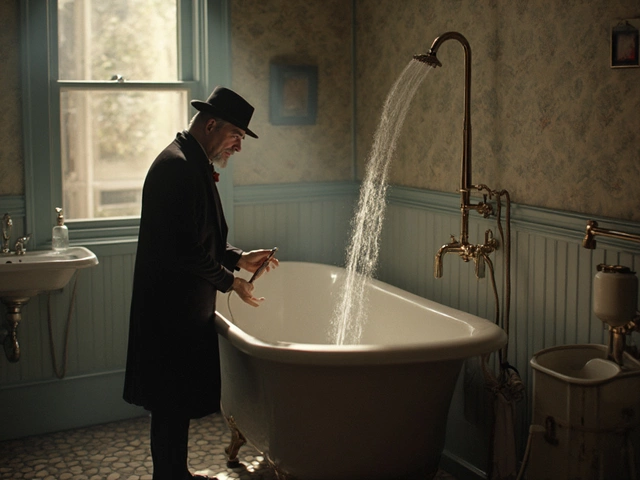
A puzzling situation arises when your shower lacks hot water while the sink heats perfectly fine. This article dives into possible reasons like different pipe routes, shower valve issues, and water heater capacity. It also offers practical solutions, such as checking the temperature settings and flushing the water heater to remove sediment. Understanding common plumbing malfunctions can lead to quick fixes without calling a professional.
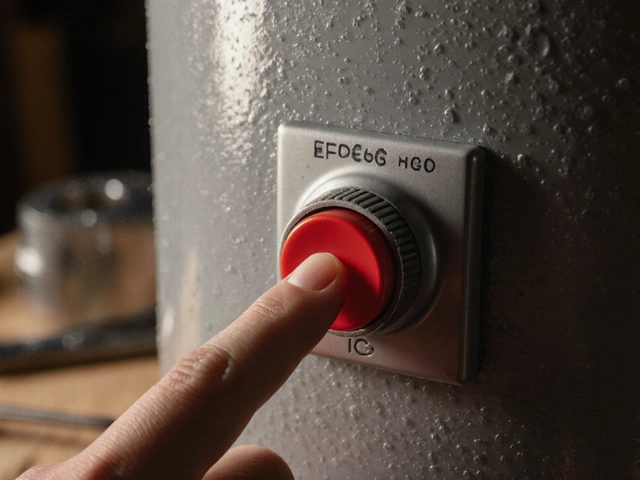
Learn how to properly reset your water heater's safety button - and why holding it down won't help. Find out what really causes it to trip and when to call a professional.
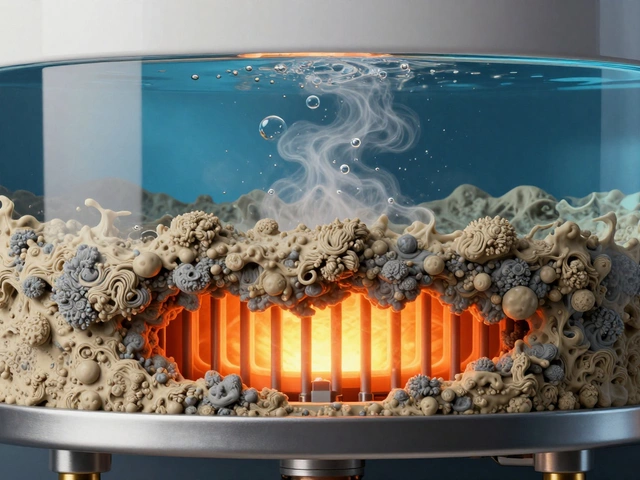
Discover the most common hot water heater problems, including sediment buildup, pilot light failures, and leaks. Learn how to diagnose issues, perform maintenance, and extend your unit's lifespan.
Wondering how long a washing machine should actually last? This article breaks down real averages, points out what causes washers to wear out, and shows simple ways to get more years out of your machine. We’ll look at red flags for replacement, compare old versus new models, and clear up some common myths about washers. If you want your next laundry day to go smoothly—or you’re tired of surprise breakdowns—this guide’s for you.
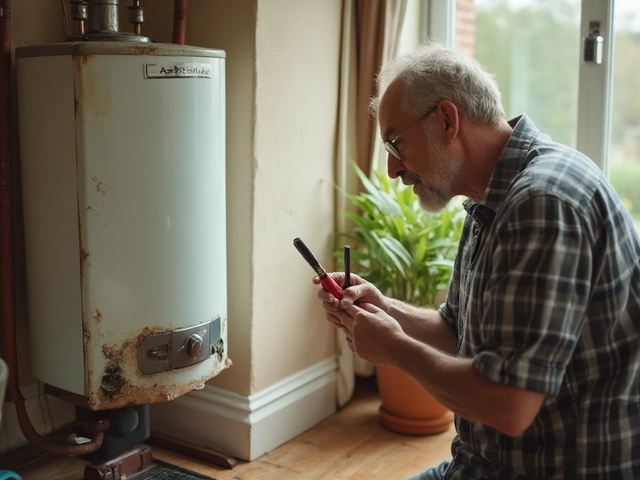
Water heaters are essential in our daily lives, yet they often fail more quickly than expected. Understanding the common causes of these failures can help in preventing them. In this article, we delve into why water heaters often break down prematurely and offer practical tips on extending their lifespan. Regular maintenance and awareness of common issues are key to ensuring your water heater runs efficiently for years.