

If your dryer isn’t spinning, isn’t heating, or just won’t turn on, you’re probably wondering what to do next. A broken dryer can throw a wrench into your laundry routine, but you don’t always need a full‑blown service call. In this guide we’ll walk through the most common problems, simple DIY checks, and the signs that it’s time to call a local expert.
Most dryer issues boil down to a few easy‑to‑spot causes. First, the power supply: check that the plug is snug and the circuit breaker hasn’t tripped. A loose cord or a blown fuse can make the whole machine look dead.
Next, the lint filter and vent. A clogged filter or vent restricts airflow, causing the dryer to overheat and shut off. Even a small pile of lint in the vent hose can lead to a hot‑cycle failure.
Heating problems are another biggie. Electric dryers rely on a heating element; if that element breaks, the drum will turn but nothing will get warm. Gas dryers have igniters and valves that can fail, preventing the burner from lighting.
Finally, the drum belt or motor can wear out. A broken belt stops the drum from turning, while a failing motor can make strange noises or stop the dryer altogether.
Before you pick up the phone, try these quick steps. Unplug the dryer, then inspect the power cord for cuts or burns. Reset any tripped breakers in your fuse box.
Pull out the lint filter and clean it thoroughly. If you feel comfortable, detach the vent hose from the back of the dryer and clear any lint buildup with a vacuum or a long brush.
Give the drum a gentle spin by hand. If it resists or feels loose, the belt might be broken. You can also listen for a humming sound when you turn the dryer on; a motor that hums but doesn’t spin usually needs professional attention.
Safety first: never work on a dryer that’s still plugged in. If any part looks damaged, cracked, or you smell burning, stop and call a qualified technician.
Our Bognor Regis team knows every make and model that shows up in local homes. We can diagnose the exact fault, source the right parts, and get your dryer back in shape in a single visit.
Why choose a local repair service? We’re just a short drive away, so we can often fit you in the same day. Knowing the area means we understand the common issues that affect dryers here, from hard water deposits to older wiring.
Cost-wise, a simple lint‑vent cleaning or belt replacement usually runs under £80. More complex repairs, like heating element swaps, can be £120‑£150, but we always give a clear quote before we start.
To keep your dryer humming along, clean the lint filter after every load, check the vent hose every few months, and avoid overloading the drum. A quick visual check each week can save you a costly repair later.
If you’ve tried the basics and the dryer still won’t work, give us a call. Bognor Regis Appliance Repair Experts will send a fully trained technician to sort the problem fast, so you can get back to fresh laundry without the hassle.

When your dryer suddenly stops working or leaves your laundry sopping wet, it’s tough to know what your best next step is. Should you call in a repair service, try a DIY fix, or bite the bullet and shop for a new one? This article breaks down the real costs, tells you what repairs make sense, and gives you actionable tips so you don’t spend more than you have to. It covers which common dryer issues can be fixed on a budget, when to say goodbye to a worn-out machine, and how to make smart decisions that save time, money, and hassle.
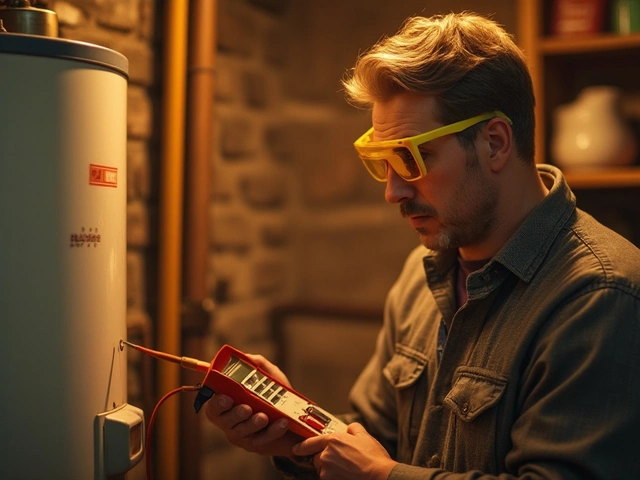
Diagnosing a faulty hot water heater element can seem daunting, but it's an essential skill for any homeowner. Key indicators like water temperature issues, noises, and prolonged heating cycles are telltale signs of a bad element. This article provides practical advice on how to inspect and test your heater element using accessible tools. Also included are safety tips and maintenance recommendations to extend the lifespan of your water heater.
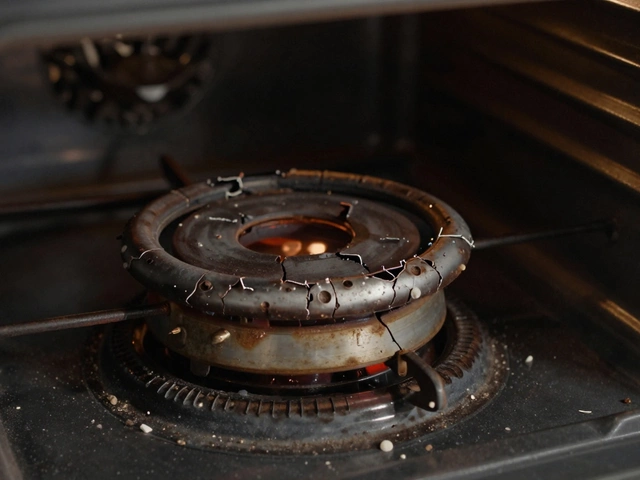
If your oven won't heat up, it's usually a simple fix-like a broken element, faulty thermostat, or blown fuse. Learn the most common causes and how to diagnose them yourself before calling a repair technician.
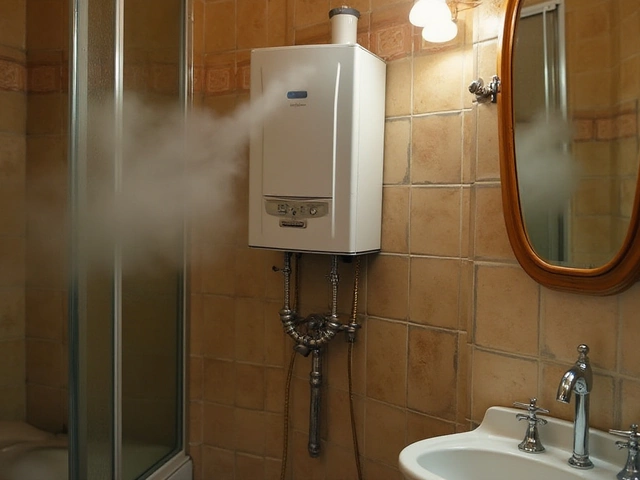
When your hot water heater isn't supplying the steamy showers you're used to, it might be due to a faulty heating element. This article dives into common indicators of a malfunctioning water heater element, such as unusual noises, inconsistent water temperatures, and an unexpected spike in your energy bills. You'll learn how to diagnose potential issues and gather insights on troubleshooting these problems. While some fixes might require professional expertise, understanding the basics can help you pinpoint the root of the problem and decide the best course of action. Get ready to reclaim your warm water comfort!
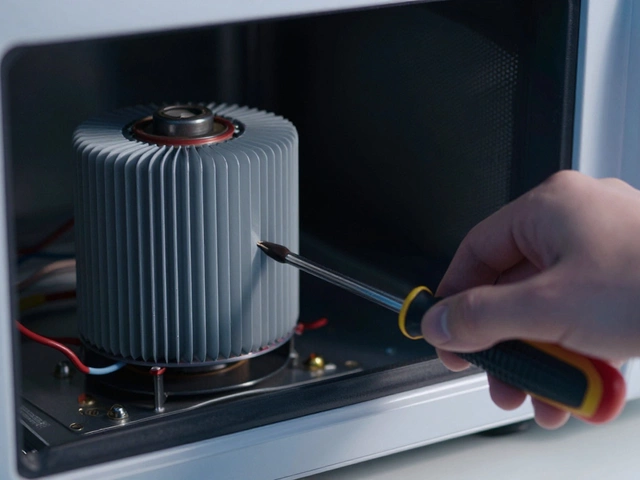
Fixing your own microwave might seem easy, but the high-voltage capacitor inside can deliver a lethal shock-even when unplugged. Here's why DIY repairs are dangerous and what you should do instead.
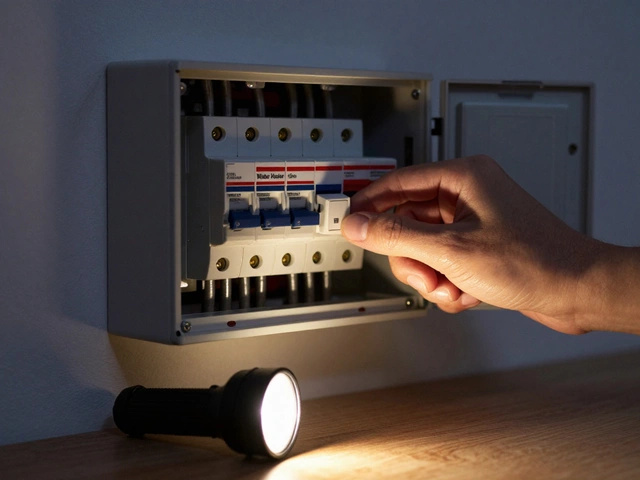
When there's no hot water, the first thing to check isn't the heater-it's the circuit breaker or pilot light. Most issues are simple fixes that save time and money. Learn what to look for and how to fix it yourself.