

When you buy a new boiler warranty, a manufacturer’s guarantee that covers parts and sometimes labor for a set time after installation. Also known as boiler guarantee, it’s not insurance—it’s a promise from the brand that your unit won’t break down prematurely. But here’s the catch: most people don’t read the fine print until something goes wrong.
A boiler repair, the process of fixing a malfunctioning heating system, often requiring a Gas Safe registered engineer isn’t always free—even if you’re under warranty. Many warranties only cover parts, not labor. Others exclude issues caused by lack of servicing. If you skipped your annual boiler service, a yearly check-up by a certified technician to ensure safety, efficiency, and warranty compliance, your claim could be denied. And if you tried to fix it yourself? That’s usually an automatic void. The gas safe engineer, a legally certified professional qualified to work on gas appliances in the UK you hire matters just as much as the warranty itself.
Most boiler warranties last between 1 and 10 years, depending on the brand and model. But a 10-year warranty doesn’t mean your boiler will last a decade. It just means the manufacturer will replace faulty parts—if you’ve done your part. Regular servicing, proper water pressure, and avoiding chemical cleaners are small things that keep your warranty valid. Many homeowners think their warranty covers a full replacement if the boiler dies. It doesn’t. It covers repairs. If your 8-year-old boiler needs a new heat exchanger, you might pay £500 for labor even if the part is free.
Some brands offer extended warranties you can buy after the first year. But these often come with restrictions—like requiring annual servicing by their preferred technician. That’s fine if you’re happy with them. But if you move or switch engineers, you could lose coverage. Always keep your service records. A dated receipt from a Gas Safe engineer is your best defense when you need to make a claim.
Boiler warranties vary wildly. A budget model might give you 1 year with no labor. A premium combi boiler could offer 10 years on the heat exchanger and 2 years on labor. But if your boiler was installed wrong, even the best warranty won’t help. That’s why the installer matters as much as the brand. Poor installation causes leaks, pressure issues, and premature failure—all typically excluded from coverage.
So what should you do? First, find your warranty documents. Second, mark your calendar for the annual service. Third, never ignore strange noises, leaks, or error codes. A small fix now can save you from a full replacement later. And if your boiler is over 10 years old, even with a warranty, it’s worth asking if repair makes sense—or if replacement is smarter.
Below, you’ll find real guides from homeowners who’ve been there—how to spot warranty traps, what to ask before signing up, and when to call a pro instead of trusting the manual. No fluff. Just what actually works.

Who pays for boiler maintenance? Landlords must cover it for tenants. Homeowners pay for everything. Warranties don't cover servicing. Annual checks are legally required and save lives.

Electric stoves are a staple in many kitchens, but how long can you expect them to last? This article delves into the average lifespan of an electric stove and what factors can influence its longevity. Discover maintenance tips that can help extend its life and recognize signs when repairs or replacements might be necessary. This guide aims to empower you with insights into prolonging the efficiency of your kitchen's electric stove.

An electric oven is a kitchen essential that brings culinary magic to life, but sometimes it can start showing signs of wear and malfunction. If you notice uneven cooking, strange noises, or the oven simply won't heat, these could be indicators of a problem needing repair. Knowing the common signs can help you determine if troubleshooting is possible or if it's time to call a professional. From the thermostat issues to faulty heating elements, this guide provides insights into recognizing and addressing potential oven problems.

Find out when repairing your dryer isn’t the smart move. Learn real signs, safety warnings, and how to choose between fixing and just getting a new one.
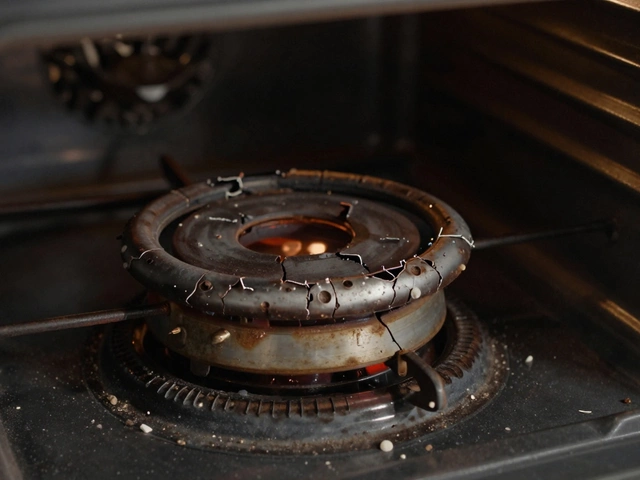
If your oven won't heat up, it's usually a simple fix-like a broken element, faulty thermostat, or blown fuse. Learn the most common causes and how to diagnose them yourself before calling a repair technician.
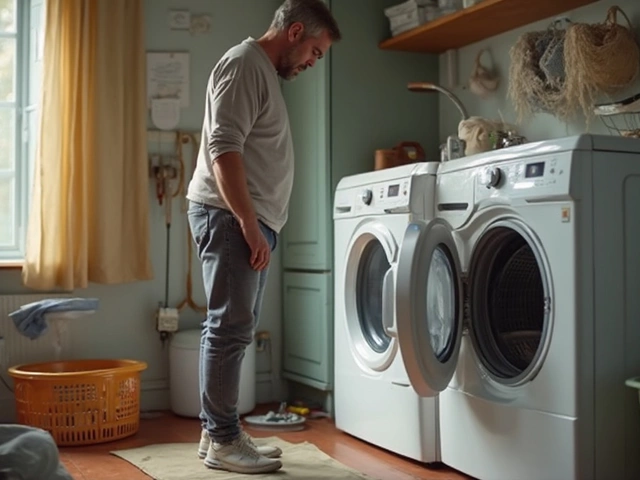
Find out why your tumble dryer isn't spinning and learn step-by-step fixes for common dryer problems. Stay informed with practical tips and real solutions.