

When your boiler, the central heating unit that keeps your home warm and provides hot water. Also known as a central heating system, it’s one of the most critical appliances in any UK home. stops working, you’re faced with a simple but costly question: repair or replace? It’s not just about the price tag—it’s about age, efficiency, safety, and how much longer it’ll actually last. A boiler that’s 15 years old might seem fixable with a new part, but if it’s already using 30% more gas than a modern model, every repair is just buying time before the next breakdown.
That’s where boiler repair cost, the price to fix a malfunctioning unit, often ranging from £150 to £600 depending on the issue comes in. Common fixes like resetting the pressure, replacing a faulty pump, or fixing a broken thermostat are usually worth it—if the boiler is under 10 years old. But if you’re spending more than half the price of a new unit on repairs, or if the same problem keeps coming back, you’re throwing money down the drain. And don’t forget boiler replacement cost, the total expense of installing a new unit, typically between £2,000 and £4,000 in 2025, including removal, new pipework, and Gas Safe certification. It sounds steep, but a new A-rated boiler can slash your heating bills by 20-30% each year. Over five years, that adds up to hundreds, sometimes thousands, in savings.
Age is the biggest clue. If your boiler is over 12 years old, even if it’s working now, it’s running on borrowed time. Parts become harder to find, efficiency drops, and breakdowns get more frequent. A 20-year-old boiler might still heat your home, but it’s also a safety risk—older models can develop gas leaks or carbon monoxide issues without warning. Replacing it isn’t just smart economics; it’s a household safety move. And let’s not forget the noise. If your boiler sounds like a freight train every time it kicks on, that’s not just annoying—it’s a sign the internal components are wearing out fast.
Then there’s the hidden cost: downtime. A broken boiler in winter means no hot water, no central heating, and a house that feels like a freezer. Repairs can take days if parts need ordering. A replacement, while more expensive upfront, often gets you back to normal in a single day. And with new models offering smart controls, leak detection, and remote monitoring, you’re not just buying heat—you’re buying peace of mind.
So how do you decide? Start by checking your boiler’s age and energy rating. Look at how often you’ve needed repairs in the last year. If it’s more than once, or if your bills have been creeping up, replacement is likely the better long-term play. If it’s a one-off issue—like a faulty ignition or a minor leak—and your unit is under 10 years old, repair makes sense. But don’t wait until it dies completely. A proactive replacement gives you time to shop around, compare quotes, and avoid the stress of an emergency call-out in the middle of winter.
Below, you’ll find real-world guides on boiler repair costs, what signs mean your unit is failing, how to spot a fair quote, and when a 15-year-old boiler is better off in the scrapyard. No fluff. Just clear, practical advice to help you make the right call—for your wallet, your comfort, and your safety.
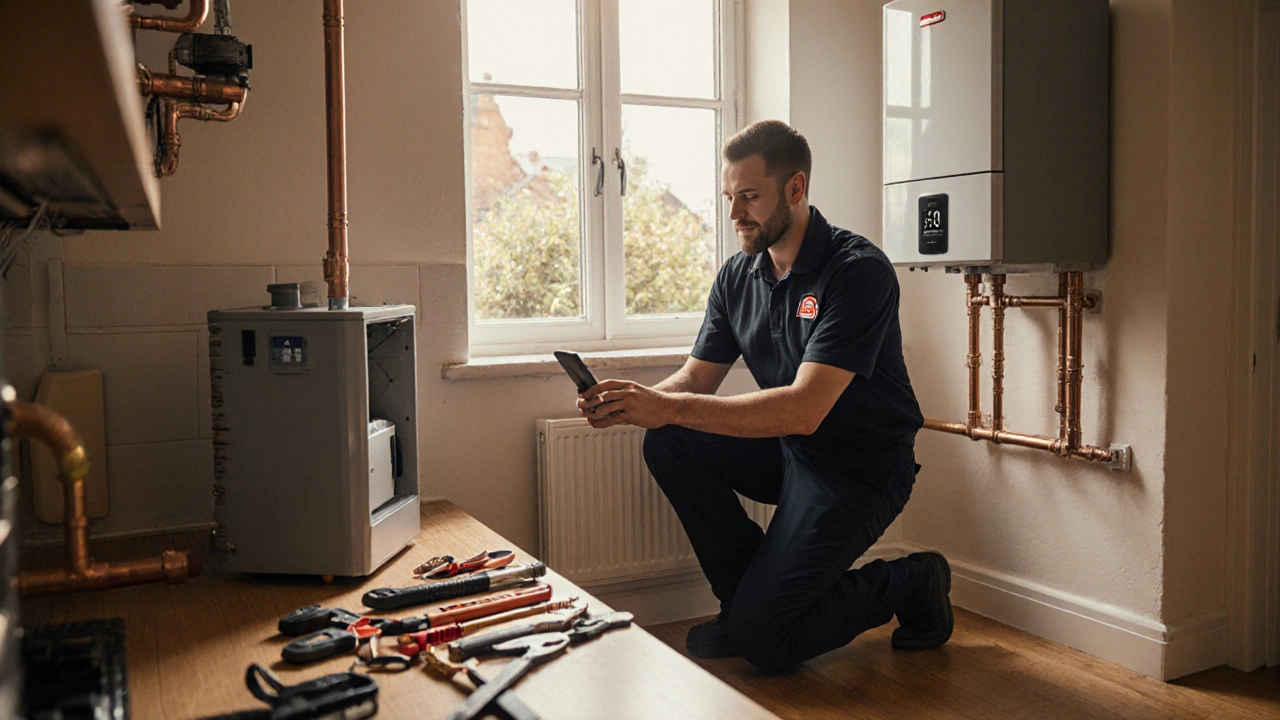
Replacing a boiler in 2025 costs between £2,000 and £4,500 on average. Learn what affects the price, when to replace vs repair, and how to save with government grants. Make an informed decision for your home.
Figuring out whether to repair or replace a 10-year-old range can save money and hassle. This article explores cost considerations, common issues, and when to opt for repair versus replacement. Additionally, discover maintenance tips to extend your range’s life. Make informed decisions with a detailed look into repair pros and cons. Navigate the world of kitchen appliances with confidence.

Thinking about replacing your old boiler but dreading the mess? This article breaks down exactly what kind of disruption to expect during a boiler swap. Find out what typically gets messy, which steps are surprisingly neat, and how you can prep your space to keep chaos to a minimum. Get straightforward tips to protect your home, plus the real deal on post-installation cleanup. No sugarcoating—just facts every homeowner should know before booking the job.
In the world of home heating, boilers are real workhorses. But have you ever wondered how long your trusty boiler will keep chugging along? Typically, a boiler can last anywhere from 15 to 20 years, depending on various factors like maintenance, usage, and quality of installation. Knowing when to fix or replace your boiler not only ensures a warm home but also helps you avoid unexpected expenses.
A 40-year-old boiler can pose potential safety risks. Understanding the wear and tear it undergoes over the decades is crucial. Regular maintenance and safety checks are essential to ensure it operates safely. Homeowners should consider the pros and cons of keeping such an old appliance. Discover tips and advice on making informed decisions regarding your boiler's safety and efficiency.

Is your freezer not making ice? Learn how to fix common issues like clogged filters, frozen water lines, and faulty sensors with this easy guide.