

When you’re shopping for a new water heater, a home appliance that heats and stores water for showers, sinks, and laundry. Also known as a hot water tank, it’s one of the most used but least talked about systems in your house. You don’t just want any brand—you want one that lasts, doesn’t leak, and won’t leave you in the cold during winter. But here’s the truth: the best water heater brand isn’t the one with the flashiest ad. It’s the one that matches your home’s needs, your budget, and your usage habits.
Most water heaters last between 8 and 15 years. If yours is older than 12, even the best brand won’t save it from slow failure. Signs like rusty water, strange noises, or puddles under the tank mean it’s not a repair job—it’s a replacement. And before you buy a new one, ask yourself: are you heating water you barely use? A tankless model might save you money long-term. But if you’ve got a big family and high demand, a large-capacity tank from a trusted brand like Rheem, Bradford White, or AO Smith still wins for reliability. These brands don’t just sell units—they back them with solid warranties and parts you can actually find in the UK.
Repairing a water heater can make sense—if the problem is simple. A faulty thermostat, a blown heating element, or a tripped reset button are all fixable. But if the tank itself is corroded or the pressure valve is leaking, no brand will fix that. That’s why knowing the difference between a part failure and a system failure matters. You’ll find real-life examples in the posts below: how to reset a water heater safely, what a 20-year-old unit is really costing you in energy, and why a 15-year-old heater might be better off replaced than repaired. These aren’t theory pieces—they’re guides written by people who’ve been in your kitchen, staring at cold water and wondering if it’s worth calling a pro.
Whether you’re trying to decide between brands, diagnosing a sudden loss of hot water, or weighing repair costs against a new install, the articles here give you the straight facts—no fluff, no sales pitch. You’ll see what actually goes wrong, how much it costs to fix, and which brands show up again and again in repair logs across Bognor Regis and beyond. No guesswork. Just what works.
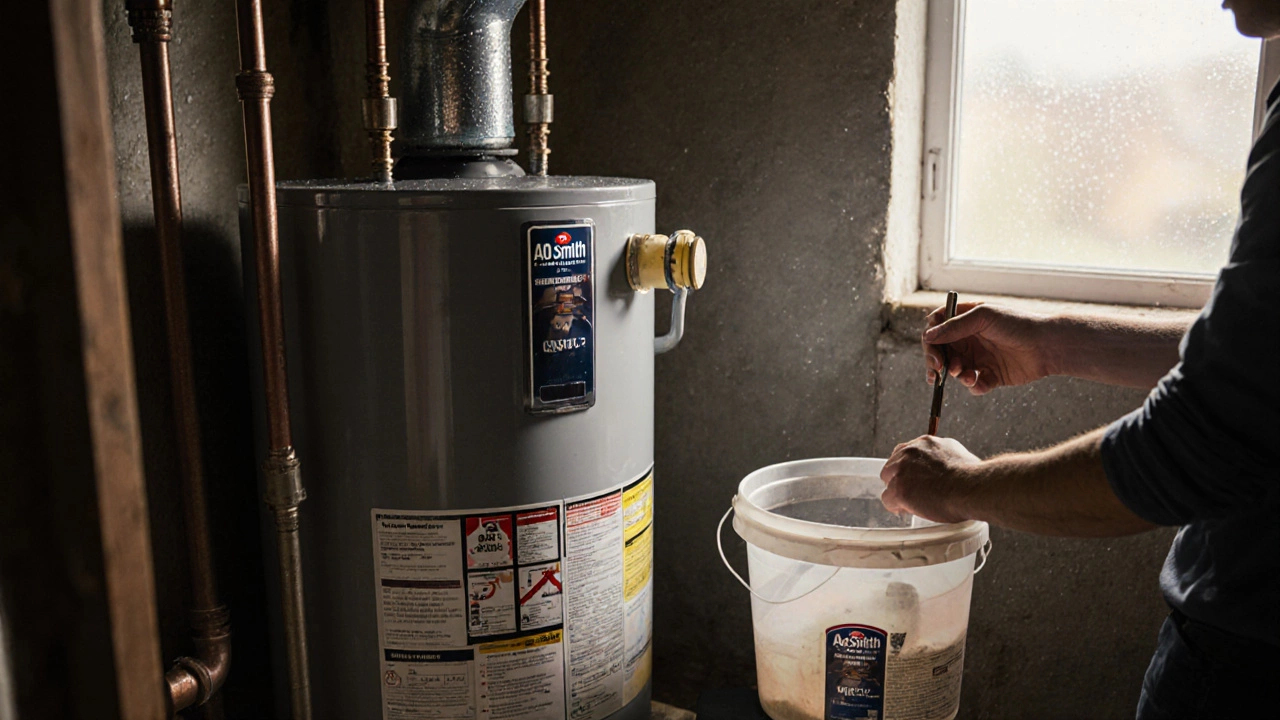
AO Smith, Bradford White, and Rheem are the most durable water heater brands, often lasting 12-15 years with proper maintenance. Learn what really affects lifespan and how to make your heater last longer.
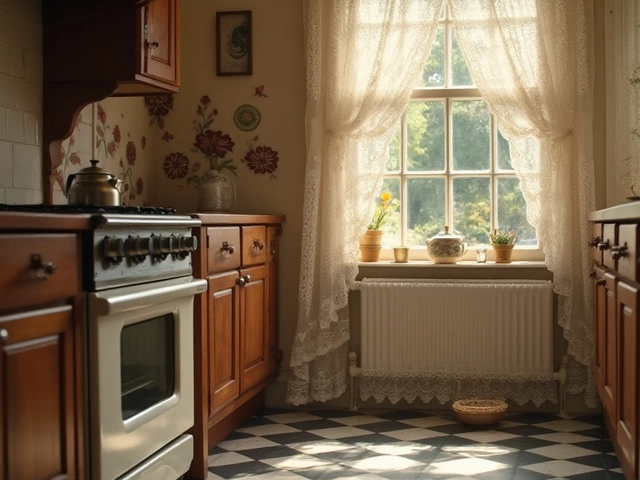
Water heaters are essential fixtures in homes, providing warm water for daily needs. Understanding their lifespan can help homeowners plan for replacements and avoid unexpected cold showers. Depending on the type and maintenance, a water heater can typically last between 8 to 12 years. Regular inspections and upkeep can potentially add years to a water heater's lifespan.
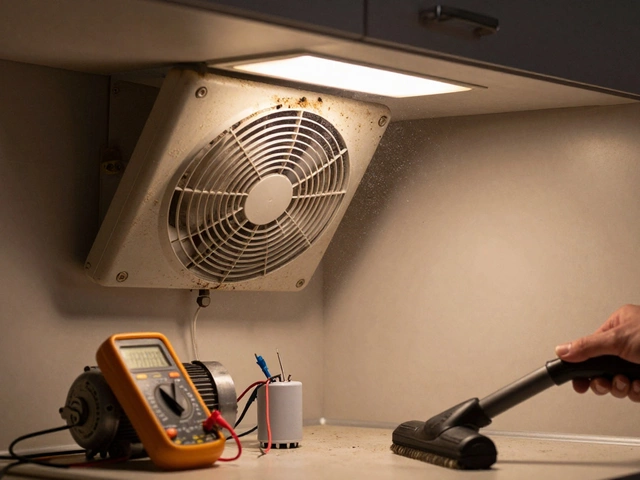
If your extractor fan suddenly stopped working, check the power, capacitor, and airflow first. Most issues are fixable without replacing the unit. Learn how to diagnose and repair common fan failures safely and affordably.

When it comes to microwaves, understanding their lifespan is crucial for homeowners looking to make informed decisions about maintenance and replacement. This article delves into the essential factors that affect the longevity of microwaves, offering practical tips on extending their lifespan and recognizing when it's time for a new one. You'll learn about common signs of wear and tear, the importance of proper usage, and how regular servicing can enhance performance. Discover how to keep your microwave running efficiently and what to do when repairs are inevitable.
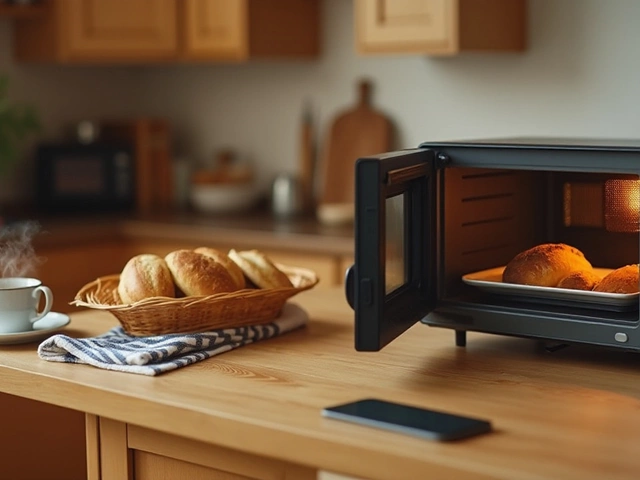
Microwave ovens are essential appliances due to their convenience in heating food. However, they can encounter several problems over time. The most frequent cause of microwave failure is a faulty door switch. This article discusses common microwave problems, how to identify them, and offers practical guidance on how to handle these issues.

Figuring out if your microwave is on its last legs can save you a lot of hassle. There are various signs that might indicate it's time for a fix or a replacement. Understanding these symptoms can help maintain your kitchen's efficiency. Here’s what you need to watch for: strange noises, inconsistent heating, and more. Catch these early, and you might avoid a total breakdown.