

If your bathroom fan has gone silent or is making weird noises, you’re not alone. A lot of homeowners notice a drop in airflow, a burning smell, or a motor that won’t start. Those signs usually mean the extractor needs attention before mold or dampness becomes a problem.
First, check the power. Sometimes the switch or the fuse trips, and the fan looks broken when it’s just unplugged. If the fan still won’t turn on, listen for a humming sound. A humming motor without airflow often means the blades are stuck or the motor bearings are worn out.
Another frequent issue is a clogged vent. Over time, dust, hair, and even paint can build up inside the duct, slowing the airflow. You’ll feel the fan working harder but see little air moving. Finally, watch out for water damage. If the fan housing has rust or moisture, the motor can short out and stop working completely.
Some fixes are easy enough for anyone with a screwdriver. Start by turning off the power at the breaker, then remove the fan cover. Clean out any dust or hair with a vacuum brush. If the vent pipe is accessible, detach it and give it a good blow‑out or rinse with a garden hose (make sure it’s dry before re‑installing).
If the motor is humming but the blades don’t spin, try gently tapping the fan body to loosen a stuck blade. Often a little jostle gets the motor moving again. Replace the fan’s capacitor only if you’re comfortable working with electrical components – it’s a cheap part and can restore power to a dead motor.
When the fan still won’t work after cleaning and a quick motor check, it’s time to call a professional. A qualified technician can safely test the wiring, replace a burnt motor, and ensure the vent complies with building codes. Trying to force a broken motor can cause further damage or even a fire.
Regular maintenance makes repairs rarer. Clean the fan cover monthly, schedule a vent inspection once a year, and keep the bathroom door open after showers to let excess moisture escape. A well‑maintained extractor runs smoother and lasts longer.
Remember, a functional bathroom extractor isn’t just about comfort – it’s about preventing mold, protecting paint, and keeping the air healthy. If you’re unsure about any step, don’t hesitate to reach out to a local repair service. Quick action now saves you from costly mold remediation later.

Extractor fans are a lifesaver when it comes to clearing out steam, smoke, and nasty odors, but many people forget they actually need a little love now and then. This article cracks open the question of whether extractor fans need maintenance, and if so, what kind and how often. We'll cover quick tips, warning signs, and busted myths around fan care. Get the straightforward facts (and a few surprises) about keeping your fan working its best. No nonsense, just super practical info you can use right now.
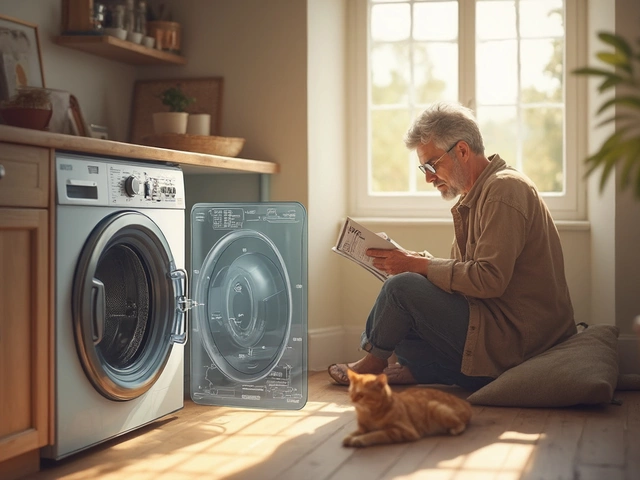
Discover which washing machine parts break down most often, why they fail, and how to prevent expensive repairs. Get tips to keep your washer running smoothly.

Microwaves seem invincible until they suddenly stop working—usually right when you're hungry. This article tackles what actually breaks down most often in a microwave, from simple blown fuses to tricky magnetrons. You'll learn the telltale signs for each failure, why these things wear out, and how to figure out if it’s something you can fix yourself. Plus, there are practical tips on keeping your microwave running smoother for longer. Perfect for anyone tired of cold leftovers and expensive repair bills.

Deciding whether to repair or replace a dishwasher can be challenging. This article explores factors like cost, lifespan, and environmental impact to help homeowners make an informed decision. Learn about common dishwasher issues and repair tips to prolong its life. Evaluate professional repair services versus DIY fixes and consider when it's time to let go and invest in a new appliance.

Annoyed by standing water at the bottom of your dishwasher? This article breaks down why your dishwasher isn't draining, what can cause it, and how to troubleshoot the most common issues. Learn about clogged filters, garbage disposal connections, and more. I'll also share some handy tips to help you prevent problems in the future. Whether you're a first-timer or have dealt with dishwasher headaches before, you’ll find practical advice here.
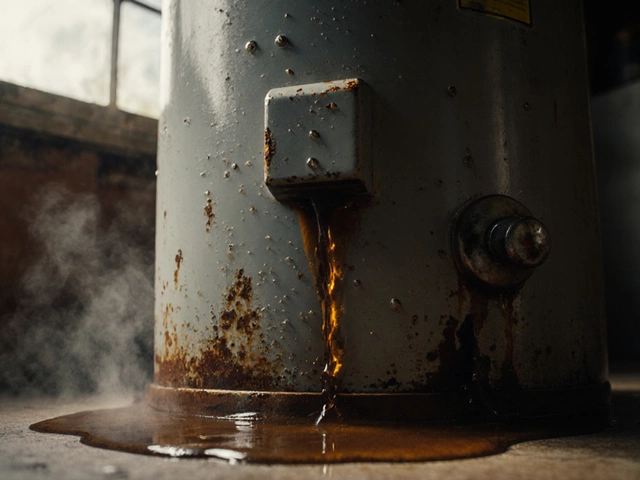
Most water heaters fail due to tank corrosion, heating element burnout, or sediment buildup. Learn the top failure points and how to spot them early to avoid costly repairs or floods.