

When your oven stays cold or your water heater sputters, the culprit is often a bad heater element. It’s one of those parts that works silently until it quits, leaving you with lukewarm meals or cold showers. The good news? You can usually tell what’s wrong before you rip the appliance apart, and many fixes are simple enough for a weekend DIYer. Below are the most common clues and step‑by‑step tips to get you back on track.
First, listen for the usual suspects. A heating element that’s broken will either not glow at all, or it will flicker on and off. You might notice uneven cooking spots in the oven, a sudden drop in water temperature, or a humming noise with no heat. Another tell‑tale sign is a burnt smell – a scorched element can release a faint, acrid odor when you turn the appliance on.
Visually checking the element is quick. Turn off power at the breaker, remove the element (usually held by two screws), and look for breaks, black spots, or obvious corrosion. If you have a multimeter, set it to continuity; a working element will show a low resistance reading, typically between 10‑30 ohms. No continuity means the element is dead and needs replacement.
Got a faulty element? Here’s a straightforward plan. 1️⃣ Shut off electricity at the main fuse box – safety first! 2️⃣ Remove the element according to the manufacturer’s guide; most ovens and water heaters have a simple screw‑off design. 3️⃣ Test the element with a multimeter to confirm it’s the problem. 4️⃣ Purchase the exact replacement part – match the model number and voltage rating. 5️⃣ Install the new element, tighten the screws, and reconnect the power.
After reassembly, run the appliance on a short cycle to make sure heat returns. If the element still won’t heat, double‑check your wiring connections. Loose wires or a blown fuse can mimic a bad element, and fixing those is often easier than swapping out a part.
When to call a pro? If you’re uncomfortable working with electricity, notice damaged wiring, or the appliance still won’t heat after a new element, it’s time to get a qualified technician. A professional can spot hidden issues like thermostat failures or control board problems that a DIY repair won’t cover.
In short, a bad heater element is a common, fixable problem. By watching for the right symptoms, testing with a multimeter, and following safety steps, most homeowners can replace the part in under an hour. Keep a spare element for the most used appliances – it saves time and money when the next breakdown hits.
Remember, regular maintenance helps prevent element failures. Clean away food residue, avoid using harsh chemicals, and periodically check connections for corrosion. A little upkeep now can keep your ovens, stoves, and water heaters heating efficiently for years to come.
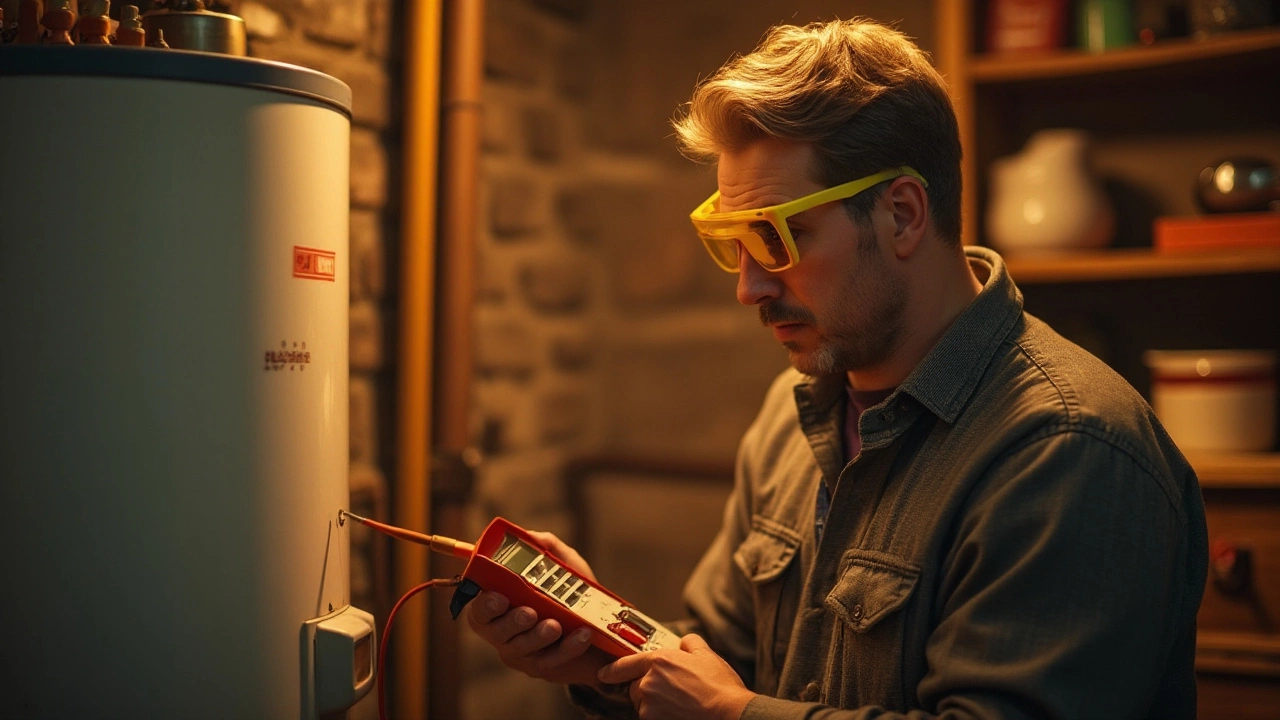
Diagnosing a faulty hot water heater element can seem daunting, but it's an essential skill for any homeowner. Key indicators like water temperature issues, noises, and prolonged heating cycles are telltale signs of a bad element. This article provides practical advice on how to inspect and test your heater element using accessible tools. Also included are safety tips and maintenance recommendations to extend the lifespan of your water heater.
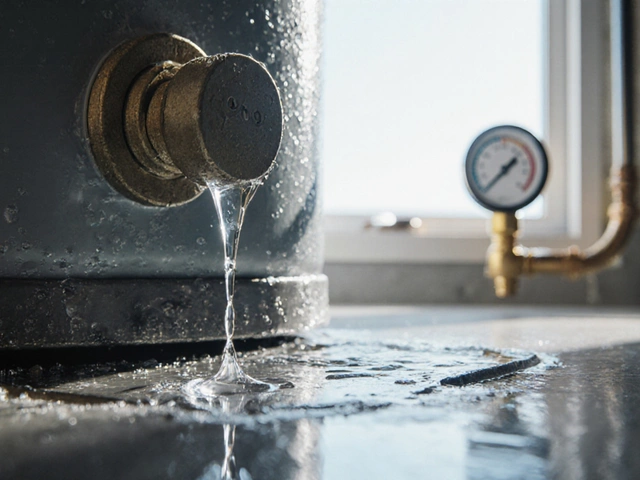
Water heater leaks usually come from five common spots: the pressure relief valve, anode rod, drain valve, tank corrosion, or pipe fittings. Learn where to look and how to fix it before it turns into a flood.
Figuring out whether to repair or replace a 10-year-old range can save money and hassle. This article explores cost considerations, common issues, and when to opt for repair versus replacement. Additionally, discover maintenance tips to extend your range’s life. Make informed decisions with a detailed look into repair pros and cons. Navigate the world of kitchen appliances with confidence.

Ever opened your freezer to find squishy ice cream or thawed food when it should be rock solid? This article digs into the real reasons your freezer refuses to stay frozen, from simple mistakes to sneaky mechanical fails. Learn how to spot common culprits, fix minor issues yourself, and know when things are actually serious. Packed with practical tips and straightforward advice, you'll get the cold facts and solutions you need. No jargon, just help you can actually use.
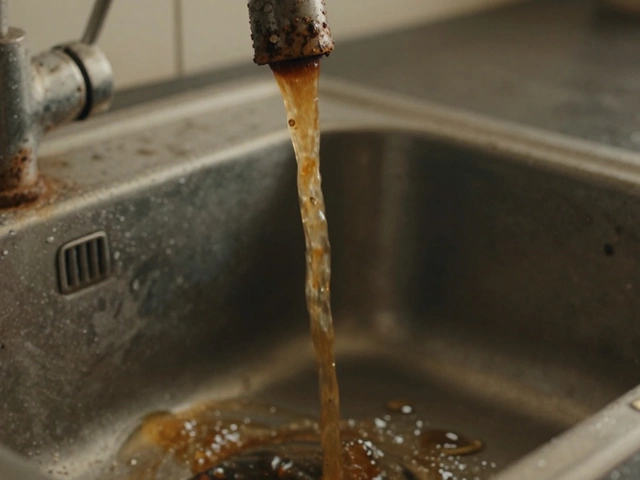
Watch for rusty water, leaks, strange noises, or no hot water-these are clear signs your water heater is failing. Age, higher bills, and bad smells mean it’s time to replace it before it breaks down.
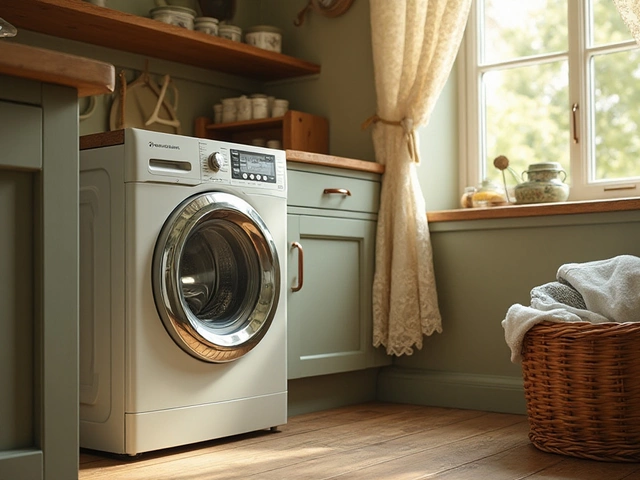
Choosing a reliable washing machine can be a daunting task given the numerous options available. This article provides insights into brands known for fewer repair issues and shares tips to maintain and extend the washer's lifespan. With technological advancements and design improvements, knowing how to select a durable washer can save time and money. Learn about the top performing washer brands based on recent studies and consumer reports. Also, discover interesting ways to keep your machine running smoothly.