

Ever wondered why some appliances have a sticker that says "CE" or a label that shows an energy rating? Those marks are part of the appliance standard system – a set of rules that make sure the stuff in your kitchen and laundry works safely, efficiently, and lasts longer.
In the UK, standards are backed by British and European rules. They cover everything from how much power a fridge can draw to the safety tests a washing machine must pass before it hits the showroom floor. Knowing these standards helps you pick the right product, avoid costly repairs, and keep your family safe.
When you’re browsing for a new oven, dishwasher, or heat pump, look for three common labels:
If a product is missing any of these, ask the seller why. It could be a cheap knock‑off that doesn’t meet the same standards, and that usually translates into a higher chance of breaking down.
Appliance standards aren’t just for the showroom. They also guide how technicians diagnose and fix problems. A water heater that follows the BS 4745 standard, for example, will have certain safety valves and temperature controls that a qualified repairer knows to check first. That means faster fixes and fewer surprises.
On the flip side, if a repairer tries to replace a part that isn’t approved under the original standard, you could end up voiding the warranty or even creating a new safety risk. Always ask for parts that carry the same certification as the original equipment.
Knowing the lifespan expectations set by standards can also save you money. Many standards include a recommended service interval – wipe down the condenser on a heat pump every six months, or flush a water heater annually. Follow those guidelines and you’ll push the appliance closer to its design life, which is often 10‑15 years for major units.
In short, standards give you a roadmap: they tell you what to look for when buying, how to keep the appliance in top shape, and what to expect when something goes wrong. Use them as a cheat‑sheet, not as a mystery.
Next time you’re in a store or on a website, grab a pen, check the CE mark, energy rating, and any BS EN numbers. If the info checks out, you’ll not only get a safer, more efficient product but also a smoother repair experience down the line.
Got a specific appliance you’re curious about? Our tag page pulls together all the latest guides – from fixing a cold oven to extending the life of your heat pump. Dive into the articles that match your need and start making informed decisions today.

This article breaks down what an appliance standard really is and why it matters when you’re buying or servicing home appliances. You’ll learn about the rules that keep appliances safe and efficient, plus tips for spotting compliant models. It explains how standards affect your bills and the planet. Real-world examples make it clear and easy to understand. Use this guide to make smarter choices about your appliances.
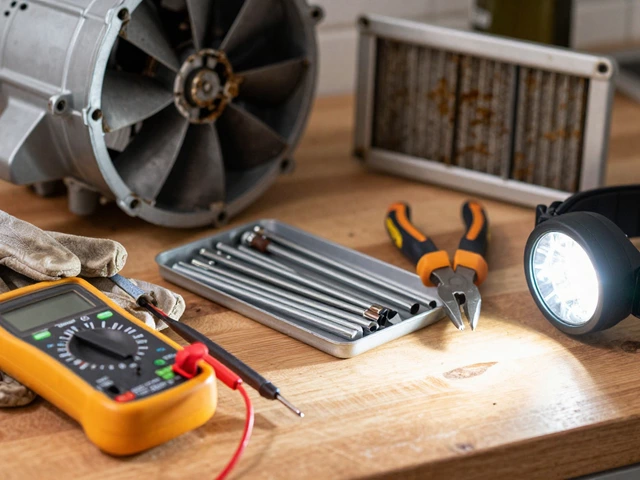
Learn how to replace a kitchen extractor fan motor safely. This step-by-step guide covers diagnosis, tool preparation, removal, and installation tips for DIY enthusiasts.

Electric stoves are a staple in many kitchens, but how long can you expect them to last? This article delves into the average lifespan of an electric stove and what factors can influence its longevity. Discover maintenance tips that can help extend its life and recognize signs when repairs or replacements might be necessary. This guide aims to empower you with insights into prolonging the efficiency of your kitchen's electric stove.
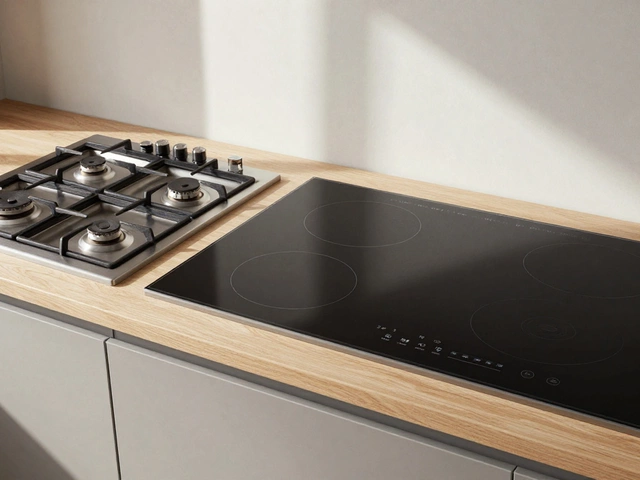
Discover how long different hobs last, from gas to induction. Learn signs of failure, repair vs. replacement costs, and maintenance tips to extend your cooktop's life.

Is your heat pump running but not cooling your home? Learn the real causes, expert troubleshooting tips, and practical solutions to get your comfort back.

Learn how to spot a malfunctioning heat pump, recognize warning signs early, and troubleshoot issues to keep your home comfortable and energy bills in check.