Freezer Repair vs. Replacement Calculator
Compare the quote you received against the market price of a new unit to make the smart financial decision.
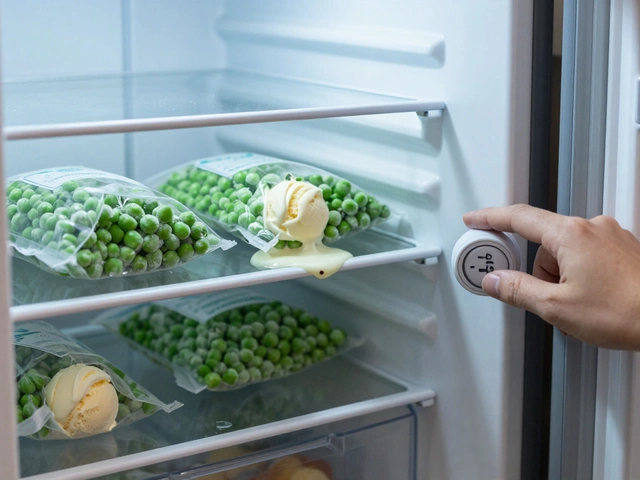
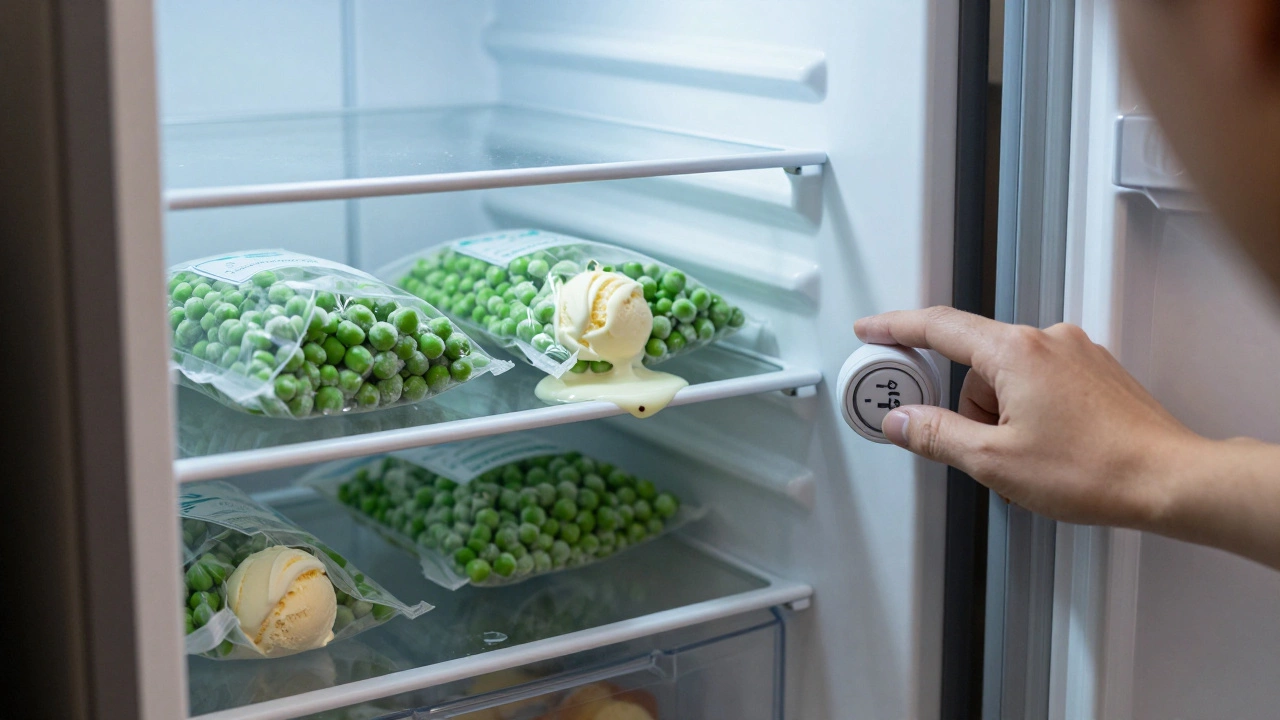
Your freezer is warm. The ice cream is melting into a puddle of despair, and the frozen peas look suspiciously like raw soil. This is one of those household emergencies that strikes at the worst possible time-usually right before you need that specific bag of chicken or when your electricity bill is already high. You have two immediate questions: Can I fix this myself, and if I call a professional, how much will it drain my bank account?
The short answer is that fixing a freezer that won't freeze in the UK typically costs between £150 and £400 for professional repairs, depending on whether the issue is a simple sensor glitch or a major compressor failure. However, many common causes are actually free to fix yourself. Before you hand over your credit card details to a repair engineer, let’s break down exactly where that money goes and which problems are worth paying to fix versus which ones should trigger a trip to the appliance store.
The DIY Fixes: Check These First (Cost: £0)
Before we talk about invoices, let’s talk about things you can check in five minutes with nothing but your eyes and a screwdriver. A surprising number of "broken" freezers are just misunderstood ones. If you skip these steps, you might pay an engineer £80 just to tell you to adjust a dial.
- The Thermostat Setting: Sounds silly, but did someone bump the temperature control? Ensure it’s set to the recommended level, usually -18°C. If it’s set to "Off" or a low number, it won’t freeze.
- Power Supply: Check the plug. Is it firmly in the socket? Try plugging a lamp into that same socket to rule out a tripped fuse box or a dead wall outlet. Also, check if the freezer has an internal light; if the light works but it’s warm, the power is getting in, but the cooling system isn’t working.
- Ventilation Space: Freezers need air to breathe. If you’ve pushed the unit tight against the wall or stacked boxes around the back vents, it can overheat and shut down as a safety measure. Pull it out six inches and see if it kicks back on.
- Frost Buildup (Manual Defrost Models): If you have an older, non-frost-free model, open the door. Is there three inches of solid ice inside? That ice acts as insulation, preventing the cold from reaching your food. You’ll need to unplug it, let it melt, and clean it out. This is free, but it takes patience.
If none of these work, the problem is mechanical or electrical. Now we move to the paid territory.
Common Faults and Their Repair Costs
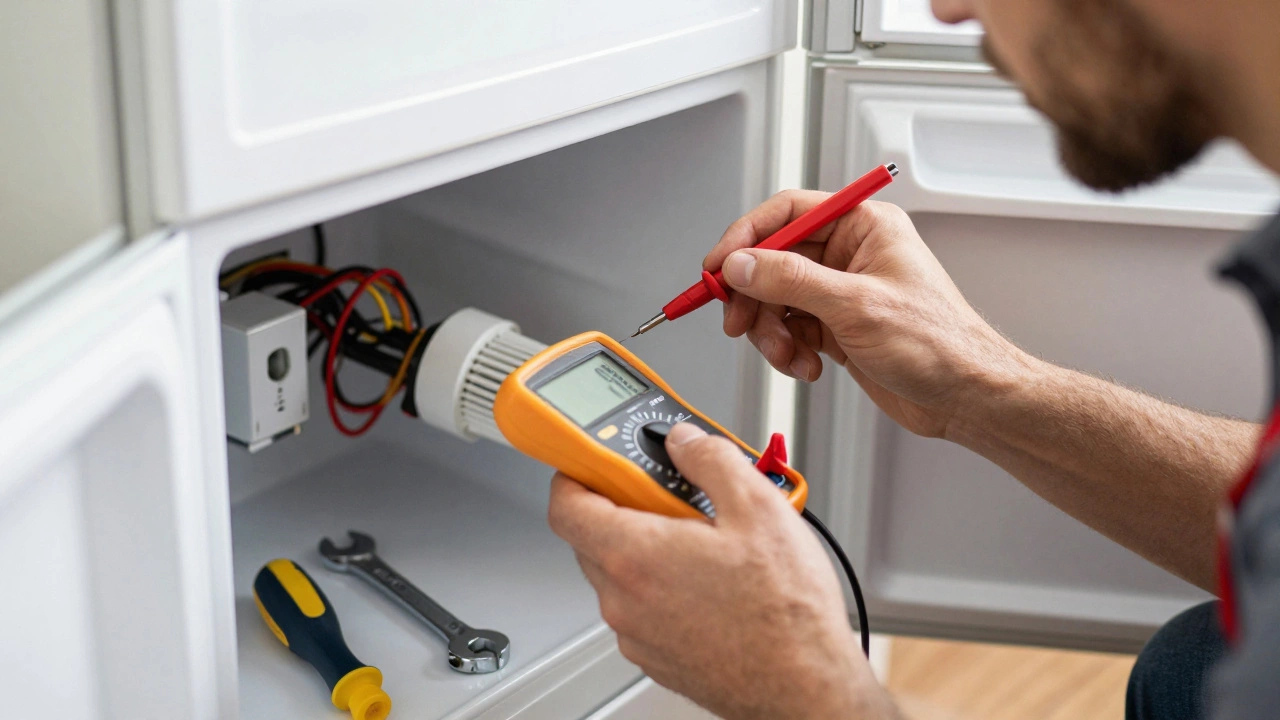
When a professional arrives, they charge a diagnostic fee first. In Bristol and most of the UK in 2025/2026, expect to pay between £60 and £90 just for them to show up, open the back panel, and tell you what’s wrong. If you proceed with the repair, this fee is often deducted from the total job cost. Here is what you’re likely looking at based on the specific part that failed.
| Problem | Likelihood | Estimated Part Cost | Total Job Cost (Parts + Labour) |
|---|---|---|---|
| Thermostat/Sensor Failure | High | £20 - £50 | £100 - £180 |
| Defrost Heater/Timer Issue | Medium | £30 - £70 | £130 - £220 |
| Door Seal (Gasket) Leak | Medium | £15 - £40 | £90 - £150 |
| Evaporator Fan Motor | Low | £40 - £80 | £140 - £200 |
| Compressor Failure | Low | £150 - £300 | £300 - £500+ |
| Refrigerant Leak (Gas) | Very Low | N/A (Complex) | Often Not Worth Repairing |
1. The Thermostat or Temperature Sensor
This is the brain of your freezer. It tells the compressor when to turn on and off. If the sensor fails, the freezer thinks it’s already cold enough and never activates the cooling cycle. Replacing a thermostat is relatively straightforward for an engineer. It involves unscrewing a few panels and swapping a small component. Because labour time is low, this is one of the most cost-effective repairs. If your quote is under £150, take it.
2. The Defrost System (Heater, Timer, or Bi-Metal)
In modern frost-free freezers, ice builds up on the internal coils but is melted periodically by a heating element. If the defrost heater burns out, or the timer that controls it breaks, ice builds up uncontrollably. Eventually, this ice blocks the airflow completely, and the freezer stops cooling. You might hear a loud buzzing noise or see excessive frost behind the rear interior panel. Fixing this requires accessing the back of the unit, which can be labour-intensive, pushing the price into the mid-range.
3. Door Seals (Gaskets)
If the rubber seal around the door is cracked, warped, or dirty, warm air leaks in. The freezer runs constantly trying to compensate, eventually burning out or simply giving up. You can test this with the "dollar bill test": close the door on a piece of paper. If you can pull it out easily without resistance, your seal is bad. Replacing a gasket is cheap on parts but can be tricky to install perfectly. If the engineer suggests this, ask if you can buy the seal online and do it yourself to save on labour.
4. The Compressor
This is the heart of the system. It pumps the refrigerant gas around. If the compressor dies, the game is over. You might hear a humming noise that suddenly clicks and stops, or silence altogether. Compressor replacements are expensive because they require evacuating the old gas, installing a new unit, recharging the system with fresh refrigerant, and testing for leaks. With parts and labour soaring, a compressor repair often exceeds £400. At this price point, you are almost always better off buying a new freezer.
When to Repair vs. When to Replace
This is the hardest decision. Nobody wants to throw away a working machine, but sometimes "working" means "expensive to keep alive." Use this simple rule of thumb:
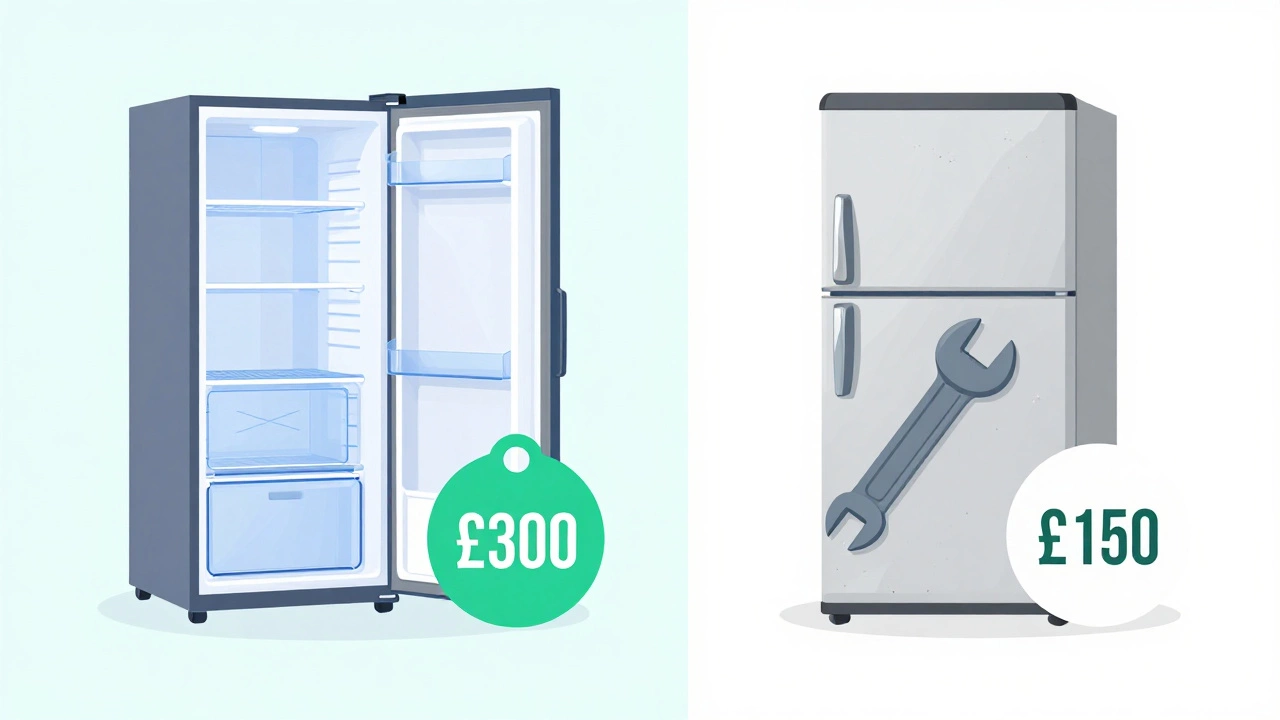
If the repair cost is more than 50% of the price of a new, energy-efficient freezer, replace it.
A decent upright freezer in the UK in 2026 costs between £200 and £400. A chest freezer might be slightly cheaper. If your engineer quotes you £250 for a repair on a ten-year-old unit, walk away. Here’s why:
- Energy Efficiency: Older freezers use significantly more electricity. An A-rated modern freezer could save you £30-£50 a year in energy bills compared to a G-rated model from 2015. Over three years, those savings offset the purchase price.
- Warranty: A new freezer comes with a guarantee. A repaired old freezer has no warranty on the other aging parts. The fan motor might fail next month, costing you another £150.
- Environmental Impact: While recycling electronics is good, manufacturing a new efficient unit that lasts 15 years is often less carbon-intensive than keeping an inefficient, leaking unit running for two more years.
However, if your freezer is less than five years old and the repair is under £150 (like a thermostat or seal), definitely fix it. You’re extending the life of a relatively new asset.
Hiring a Reliable Engineer in the UK
Not all repairmen are created equal. Some are authorized brand technicians; others are independent handyman-style operators. How you choose affects your wallet and your peace of mind.
Authorized Service Centers: These engineers are trained specifically for brands like Bosch, Siemens, Liebherr, or Beko. They have access to genuine parts. The downside? They are often more expensive and may have longer wait times. If your freezer is still under manufacturer warranty, you must use them, or you void the coverage.
Independent Local Engineers: Many skilled technicians operate locally. They can often diagnose issues faster and charge lower hourly rates. Look for engineers who are members of Checkatrade or TrustATrader. Read recent reviews. Avoid anyone who demands full payment upfront before doing any work. A deposit for parts is normal; full cash before arrival is a red flag.
Always ask for a fixed-price quote after diagnosis. Never agree to an "hourly rate" without a cap. If an engineer says, "It looks like the compressor," get the exact price for parts and labour before they touch a wrench. If they say, "I'll need to order a part and come back," ask if they can source it locally to avoid double-visiting fees.
Troubleshooting Specific Symptoms
To help you narrow down the cost before calling, match your symptoms to these scenarios:
- Freezer is cold but not freezing hard: Likely a thermostat calibration issue or a weak door seal. Cost: Low (£100-£150).
- Freezer is warm, but you hear humming: Could be a blocked condenser coil (clean it yourself) or a failing start relay on the compressor. The relay is cheap (£10) and easy to swap. If it’s the compressor itself, cost: High (£300+).
- Excessive frost inside: Defrost heater or timer failure. Cost: Medium (£150-£250).
- Water pooling at the bottom: Blocked defrost drain. This is often a DIY fix using hot water and a pipe cleaner. Cost: £0.
- Clicking noise then silence: Compressor start relay failure or compressor death. Relay is cheap; compressor is expensive.
Is it worth repairing a 10-year-old freezer?
Generally, no. Unless the repair is very minor (under £100), the cost of fixing a decade-old unit rarely makes financial sense. Consider the energy savings of a new model and the risk of further breakdowns. If the repair quote is over £200, buy a new freezer instead.
Why is my freezer running but not freezing?
This usually indicates a loss of refrigerant (a leak), a faulty evaporator fan, or a blocked air vent. If the fan is broken, cold air isn't circulating. If there's a leak, the system can't cool. Both require professional attention, though a fan replacement is cheaper than fixing a gas leak.
Can I replace a freezer thermostat myself?
Yes, if you are comfortable with basic tools and following online guides. It involves unplugging the unit, removing the control panel, disconnecting wires, and swapping the part. However, if you make a mistake, you could damage the wiring harness. If you're unsure, pay the engineer to ensure it's done safely.
How long does a typical freezer repair take?
Most standard repairs, such as replacing a thermostat, fan motor, or defrost heater, take between 1 to 2 hours. More complex jobs involving the compressor or gas lines may take half a day. Note that your freezer will need to be unplugged during the repair, so plan for your food to thaw.
What should I do with the food while waiting for repair?
Move perishable items to a friend's freezer, a cooler with ice packs, or a local self-storage facility with freezing units. Do not refreeze food that has fully thawed unless it still contains ice crystals and feels refrigerator-cold (below 4°C). When in doubt, throw it out to avoid food poisoning risks.