

Every day we rely on washing machines, ovens, fridges, and countless other gadgets. When they work right, we hardly notice them. When something goes wrong, the result can be a blackout, a costly repair, or even a fire. The good news? Most problems are preventable with a few easy habits.
First thing on the list is electricity. Plugged‑in appliances draw power constantly, so a loose cord or a worn plug can become a shock hazard. Before you use any device, give the cord a quick visual check. Look for cracks, exposed wires, or bent prongs. If you spot any of these, stop using it and call a professional.
Never overload a single socket. Most UK sockets can handle about 13 amps, roughly 3 kW. If you’re running a kettle, a toaster, and a coffee machine all at once, you’re pushing the limit. Use a dedicated socket for high‑power items like heaters or air‑conditioners.
Ground Fault Circuit Interrupters (GFCIs) are a smart addition in kitchens and bathrooms. They cut the power within milliseconds if they detect a leak, reducing the chance of a serious shock. If your home doesn’t have them, consider installing a few – it’s a cheap insurance policy.
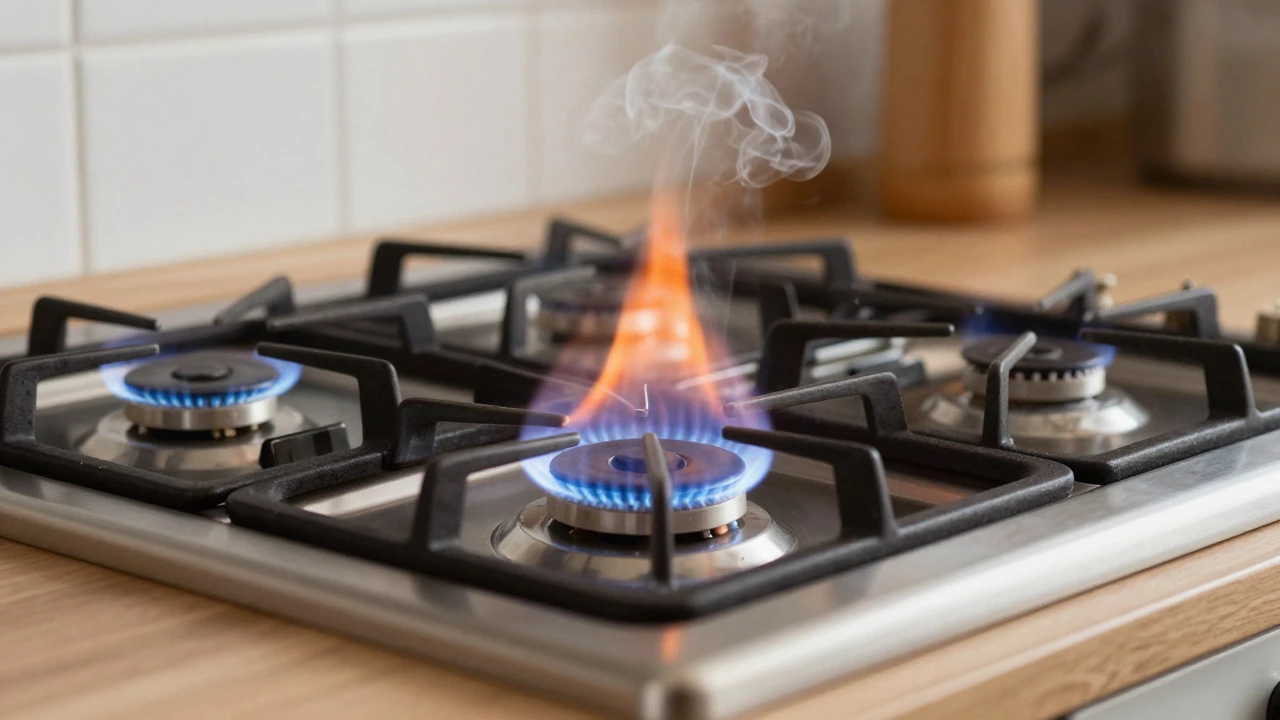
Fires often start in the kitchen, so keep a clear area around stovetops and ovens. Never leave cooking food unattended, especially when using oil. If a pan starts to smoke, turn off the heat immediately and move the pan off the burner.
Regularly clean lint traps in dryers and vent hoods. A clogged vent can overheat and ignite nearby material. A quick brush‑out after each use does the trick.
Kids love to explore, and a curious hand on a hot oven or a running washing machine can end badly. Use safety locks on oven doors and keep the washing machine door closed when not in use. If you have a front‑loading fridge, place a lock on the door latch to stop youngsters from opening it and spilling cold water.
Gas appliances need special attention. Smell a rotten‑egg odor? That’s a leak warning. Open windows, avoid turning on lights or appliances that could spark, and call a Gas Safe engineer right away. Never try to fix a gas line yourself.
Maintenance is the secret weapon for safety. Set a reminder to descale kettles, clean fridge coils, and check refrigerator door seals every six months. A well‑maintained fridge runs cooler, uses less energy, and is less likely to overheat.
When it comes to repairs, know your limits. Replacing a broken oven element or a dishwasher pump can be a straightforward DIY project if you’re comfortable with tools and have the right instructions. However, anything involving gas, high voltage, or sealed refrigeration systems should be left to certified technicians.
Finally, keep a fire extinguisher handy in the kitchen. Choose a Class F extinguisher for grease fires, or a multi‑purpose ABC model if space is tight. Knowing how to use it can make a small flare turn into a quick, clean finish.
In short, a quick visual check, sensible plug use, regular cleaning, and a bit of common sense go a long way toward keeping your appliances safe. Follow these habits and you’ll enjoy reliable, hassle‑free appliances for years to come.
A short summary for the article based on the topic. You need to write a summary with up to 5 sentences or 160 symbols that covers the provided topic. Try to write the most human text.
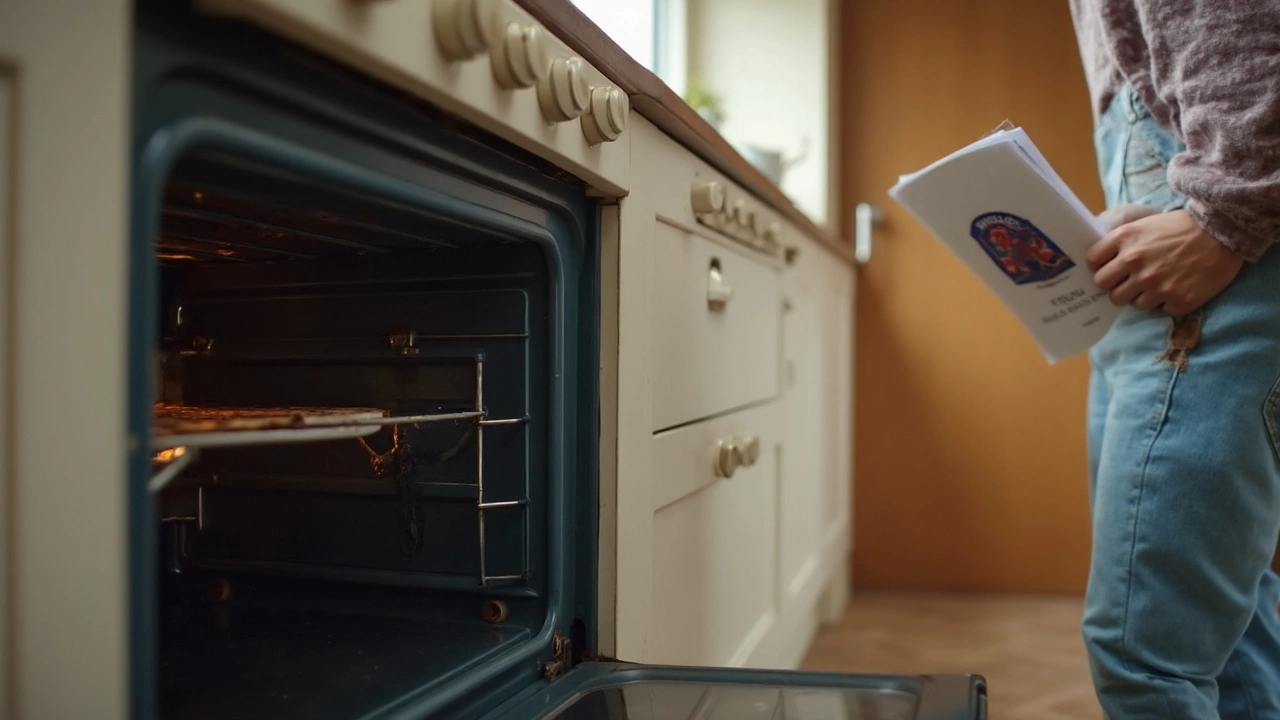
Wondering if you can still use your oven with a broken heating element? This article breaks down what actually happens when the heating element fails and what your options are. Learn about safety concerns, possible workarounds, and when it’s smarter just to fix it instead of limping along. Get tips on recognizing a bad element and ideas for a cheap, fast repair. Find out what really works and what won’t, straight from someone who’s fixed more than a few ovens themselves.

Ever wondered who foots the bill for boiler service in your home? This article delves into the responsibilities of homeowners and landlords when it comes to boiler maintenance. It offers practical tips for navigating service agreements and highlights some surprising facts about cost-savings that effective maintenance can offer. Discover insights and advice on ensuring your boiler runs smoothly without burning a hole in your wallet.
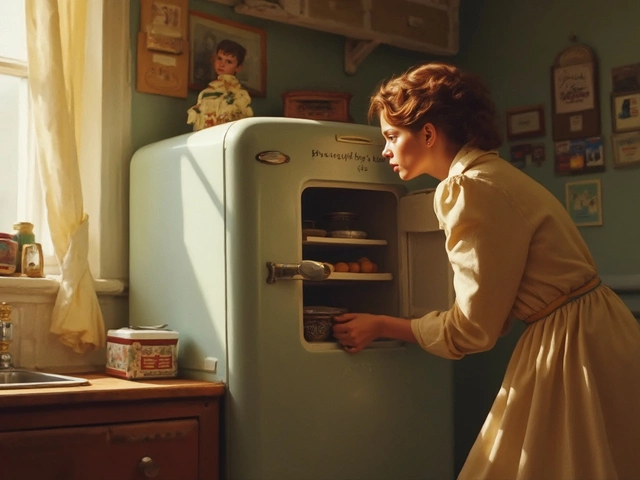
Fixing your fridge on your own can be a real money-saver if you know where to start. First, you've got to figure out what's actually wrong before grabbing your toolbox. With some basic tools and a little patience, you might just handle common issues like leaks, noisy operation, or poor cooling effectively. But sometimes, you also need to know when it's time to bring in a professional.

Discover how much boiler service costs in 2025, what affects the price, what's included, and tips to save money while keeping your heating safe and reliable.

Find out exactly how much to get a boiler serviced in 2026. We break down average costs, what's included, and tips to avoid hidden fees.

Wondering if it's worth repairing your electric oven or if you should just buy a new one? This article dives into the factors to consider, from cost effectiveness to the age of your appliance, helping you make an informed decision. We'll discuss common issues that can be fixed, when to call in a pro, and some smart tips to extend the lifespan of your oven. By the end, you'll know whether fixing or replacing is the better choice for your situation.