
⚠️ Cooker Burst Risk Assessor
Answer the following questions about your kitchen appliance to calculate a preliminary risk score. This tool helps identify if your cooker needs immediate attention.
Fill out the form and click "Calculate Risk Score" to see your analysis.
Loading...
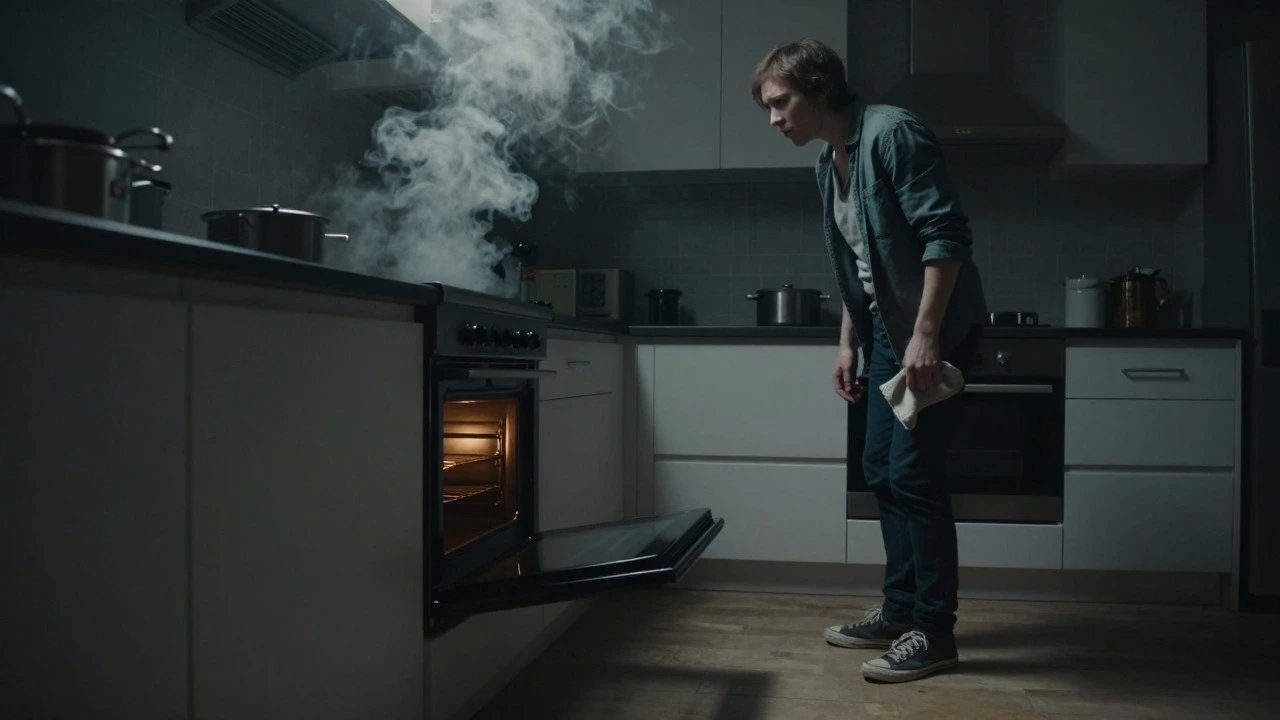
Imagine you're in the middle of a busy Sunday roast. The kitchen is warm, the oven is humming, and suddenly there’s a loud *thump* followed by a rush of steam or smoke. Your heart drops. Did your cooker just burst? It sounds like a nightmare scenario, but it happens more often than you’d think. Usually, when people say a cooker “burst,” they don’t mean a violent explosion that levels the house. They usually mean a specific component failed catastrophically-like a boiler tube popping, a fan motor overheating and catching fire, or a pressure valve failing on a sealed pot connected to the hob.
Understanding what actually causes these failures can save you from panic next time. Whether you have a freestanding gas range, an electric built-in oven, or a standalone induction hob, the mechanics behind a failure are surprisingly similar. It’s rarely about one single mistake; it’s usually a combination of wear, neglect, and physics pushing past safe limits. Let’s break down exactly what goes wrong inside these machines and how you can spot the trouble before it becomes a mess.
The Real Meaning Behind a "Burst" Cooker
First, let’s clear up the terminology. A standard domestic Cooker is a large kitchen appliance combining a hob (cooktop) and an oven, powered by gas or electricity. These units operate under different stress points depending on their fuel source. When we talk about a cooker bursting, we are usually referring to three distinct events:
- Gas Pressure Spike: In gas cookers, a regulator failure or blocked jet can cause flame instability or a sudden release of unburnt gas.
- Steam/Pressure Release: In ovens with self-cleaning cycles or steam functions, trapped moisture can expand rapidly if vents are blocked.
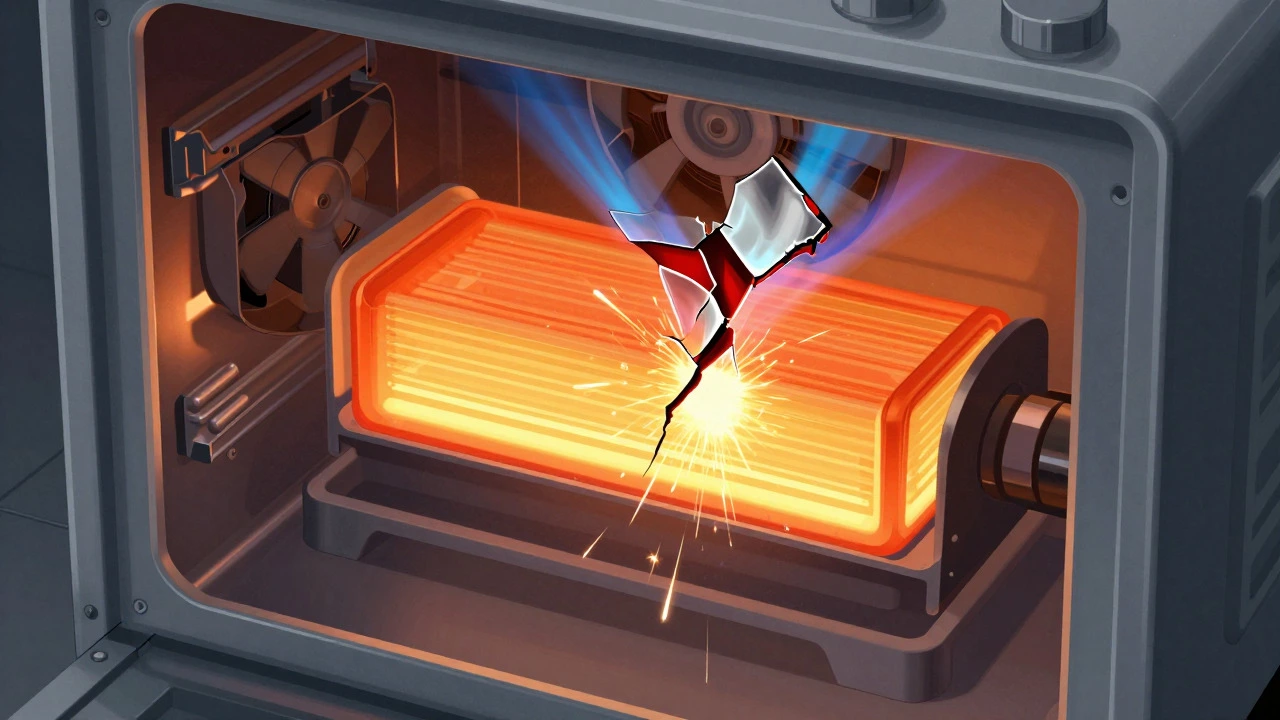
- Component Rupture: Physical parts like the fan motor housing, heating element casing, or even the enamel coating cracking due to thermal shock.
It’s important to distinguish between a true structural rupture (which is rare and dangerous) and a functional failure that looks scary. For example, a loud bang from an electric oven is often a heating element expanding and contracting unevenly, not an explosion. However, if you see sparks, smell burning plastic, or hear hissing, that’s a different story entirely.
Common Causes of Gas Cooker Failures
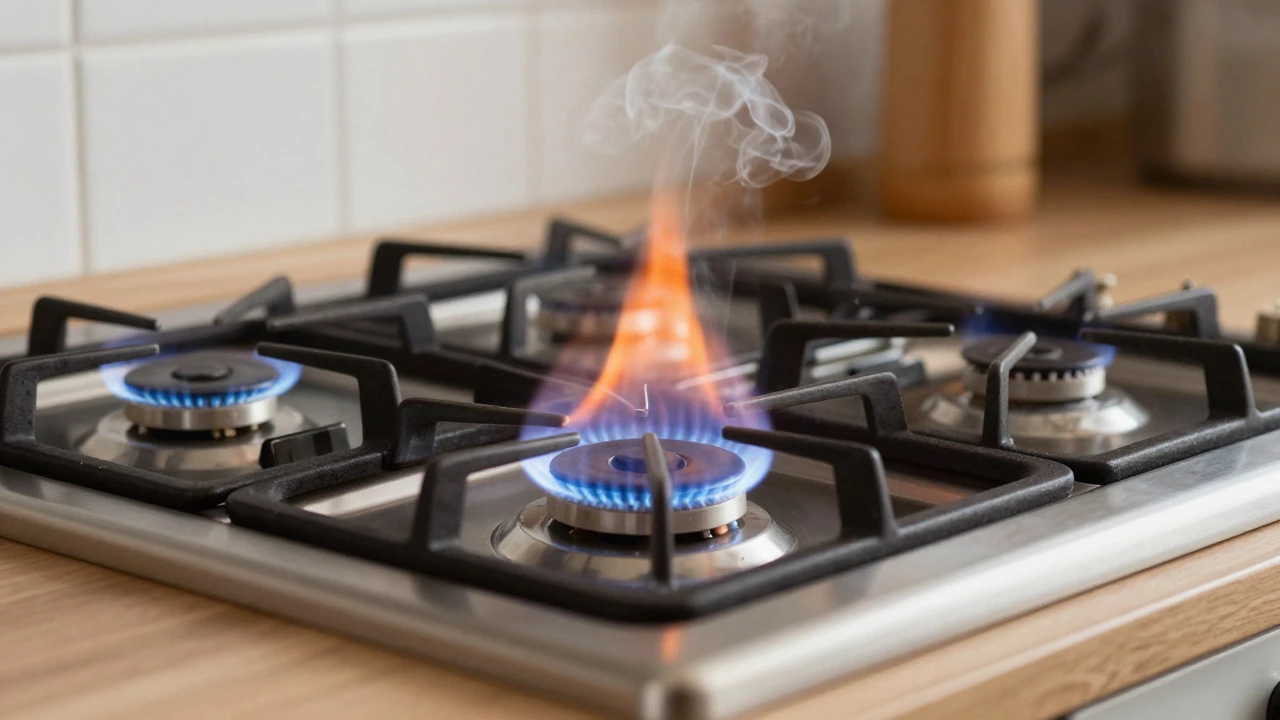
If you have a gas-powered unit, the risk profile is quite different from electric models. The primary culprit here is usually the Gas Regulator is a device that maintains constant gas pressure despite fluctuations in supply. Over time, dust, grease, or debris can clog the regulator’s diaphragm. When this happens, the gas flow becomes erratic. You might notice flames flickering wildly or turning blue-white instead of steady blue. If the pressure builds up too high because the outlet is partially blocked, you could get a mini-explosion of flame when you open the oven door or light a burner.
Another major factor is the condition of the gas line itself. If the flexible hose connecting your wall supply to the cooker is cracked or kinked, it can restrict flow. This restriction creates back-pressure. Imagine squeezing a garden hose-the water shoots out harder at the end. With gas, if the path is blocked, pressure builds upstream. If that blockage suddenly clears, or if the seal fails, you get a rapid release of energy. This is why checking for leaks with soapy water is a basic maintenance task, not just a suggestion.
Don’t forget the ignition system either. Faulty spark plugs can fail to ignite the gas immediately. If you keep pressing the button while gas accumulates, you’re essentially creating a small pocket of explosive mixture. One spark later, and you’ve got a pop. It’s not a house-blowing-up event, but it’s enough to scare the life out of you and potentially damage the glass front of the oven.
Why Electric Ovens Blow Up
Electric cookers seem safer because there’s no flammable gas, right? Wrong. Heat is heat, and electrical components generate massive amounts of it. The most common